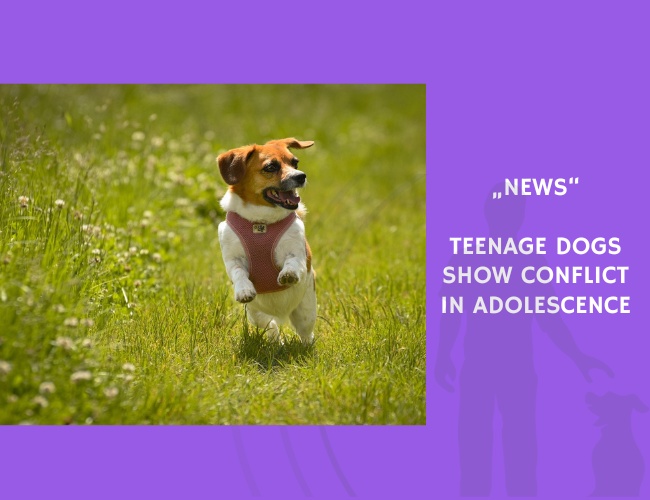
Adolescence is a sensitive stage in human development, often marked by conflict with caregivers and earlier puberty in children with insecure attachments. Asher et al. (2020) investigated whether a similar pattern occurs in dogs, focusing on adolescent-phase behaviors in potential guide dogs.
The study found that bitches with insecure attachment behavior before adolescence reached reproductive maturity earlier than securely attached counterparts. Moreover, dogs in adolescence displayed a temporary increase in conflict-like behavior, such as reduced trainability and responsiveness to commands. This effect was especially pronounced in those showing signs of weaker attachment to their caregivers.
These findings provide the first empirical evidence that dogs, like humans, undergo a distinct adolescent phase characterized by temporary strain in relationships. The results suggest a cross-species influence of attachment on reproductive development and behavior, highlighting adolescence as a vulnerable period for maintaining healthy dog–owner bonds.
For dog owners, understanding this developmental phase is key: what may appear as defiance is often a passing stage. Supportive, patient handling and fostering secure attachment can help dogs navigate adolescence smoothly, strengthening long-term trust and cooperation.
Source: Asher, L., England, G., Sommerville, R., & Harvey, N. D. (2020). Teenage dogs? Evidence for adolescent-phase conflict behaviour and an association between attachment to humans and pubertal timing in the domestic dog. Biology Letters, 16.