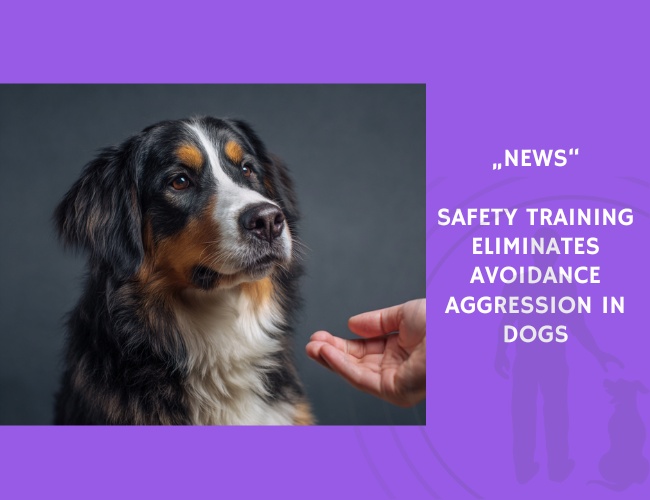
Avoidance-motivated aggression, a dangerous form of canine aggression, was found to resist traditional counterconditioning methods. In a controlled set of experiments, Tortora (1983) evaluated this problem and proposed a novel behavioral approach known as safety training.
In the study, retrospective data from 92 aggressive dogs revealed the avoidance-driven nature of their aggression. In a second experiment, 36 dogs underwent safety training—a modified avoidance-learning procedure—which resulted in the complete and permanent elimination of aggression. Beyond behavioral change, dogs demonstrated increased emotional stability, development of prosocial avoidance responses, and improvements in posture and confidence.
Further experiments highlighted the importance of the conditioned safety cue as a positive reinforcement mechanism. Unlike electrical aversion therapy, which often failed, safety training proved resilient, extinction-resistant, and effective in promoting self-efficacy—the canine counterpart of courage. This cognitive modification not only prevented aggression but also counteracted learned helplessness.
Tortora’s work suggests that safety training provides dogs with a sense of control over stressors, teaching them constructive coping responses. This study remains a pioneering contribution to canine behavioral psychology, influencing both animal welfare practices and therapeutic approaches to aggression management.
Source: Tortora, D. F. (1983). Safety training: the elimination of avoidance-motivated aggression in dogs. Journal of Experimental Psychology. General, 112(2), 176–214.