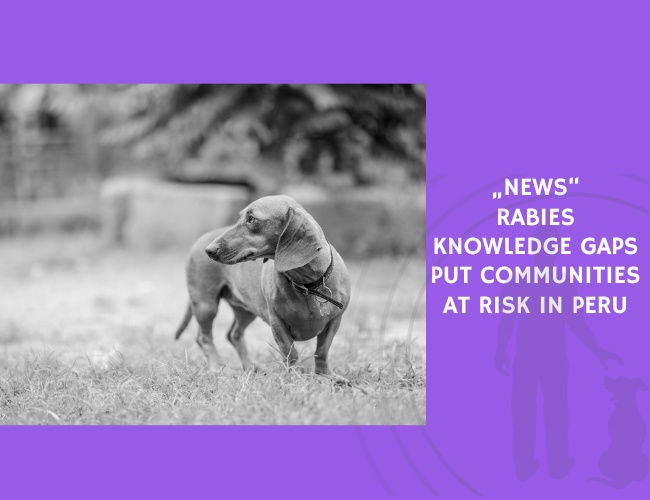
Rabies remains one of the most lethal zoonotic diseases, and the canine rabies epidemic that began in Arequipa, Peru, in 2015 continues to challenge public health efforts. The study investigated how residents understood rabies and how they behaved after dog bites—critical actions that determine whether individuals receive timely post-exposure prophylaxis.
The researchers conducted eight focus group discussions across peri-urban and urban communities, involving a total of 70 participants. Across all groups, awareness of the fatal nature of rabies was limited. Many residents underestimated the urgency of seeking treatment, while others relied on traditional or locally normative wound care behaviors.
Participants in urban neighborhoods often cleaned wounds with hydrogen peroxide, believing it adequate despite public health guidelines emphasizing thorough washing with soap and water. In peri-urban areas, some participants reported using herbs or even applying hair from the biting dog to the wound—practices rooted in local tradition but ineffective for rabies prevention.
Misinformation about rabies vaccines further hindered appropriate care. Some individuals feared adverse effects or believed that vaccines were unnecessary if the wound appeared minor. Others lacked clarity about the number of doses required or the importance of completing the full treatment regimen.
Beyond behavioral factors, structural obstacles played a major role. Participants described poor treatment at health centers, long waiting times, or inadequate communication from healthcare personnel. These negative experiences discouraged individuals from seeking care, even in cases where the dog’s vaccination status was unknown.
Collectively, the findings reveal critical behavioral and systemic barriers that undermine rabies prevention strategies. The authors emphasize that these gaps may jeopardize efforts to eliminate dog-mediated human rabies and highlight the need for improved public education, culturally informed outreach, and strengthened patient-provider interactions.
Authors: Ricardo Castillo-Neyra, Alison M. Buttenheim, Claudia Benavides, et al.
Journal: PLOS Neglected Tropical Diseases
Year: 2020