
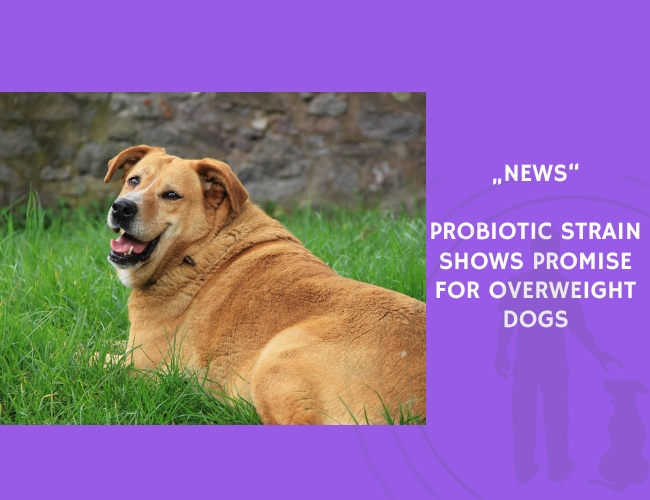
The study by Emanuela Kayser, Fei He, Gregory Davenport, and M. D. Godoy (2022) examined the effects of supplementing overweight dogs with Bifidobacterium animalis subsp. lactis CECT 8145, both as a live probiotic and as a heat-killed postbiotic. Thirty-six adult dogs were divided into three groups and monitored for 90 days, with treatments given in capsules alongside a balanced commercial diet.
Results showed no negative effects on general health. However, dogs receiving the probiotic or postbiotic demonstrated changes in digestive and metabolic markers. Fecal pH was lower in the postbiotic group, and both supplemented groups showed a greater concentration of propionate, a short-chain fatty acid linked to gut health. Additionally, plasma pancreatic polypeptide levels decreased in the probiotic group, suggesting an effect on gut hormonal regulation.
These findings highlight that both probiotic and postbiotic forms of this strain may interact with gut microbial fermentation and metabolic hormone activity. This could have implications for weight management strategies and digestive health in dogs prone to obesity. While promising, the authors recommend larger and longer-term studies to confirm these benefits.
Source: Kayser, E., He, F., Davenport, G., & Godoy, M. D. (2022). 118 Functional Properties of Bifidobacterium Animalis Subsp. Lactis Cect 8145 in Canine Nutrition. Journal of Animal Science, published September 21, 2022.










