
Published in Military Medicine, this report by Michael W. Patt, Jeremiah T. Oh, J. Branstetter, and Jerome M. Benavides draws attention to the physical risks faced by military working dog handlers. While canine partners are widely recognized for their critical operational roles, far less attention has been given to the musculoskeletal challenges experienced by their human counterparts.
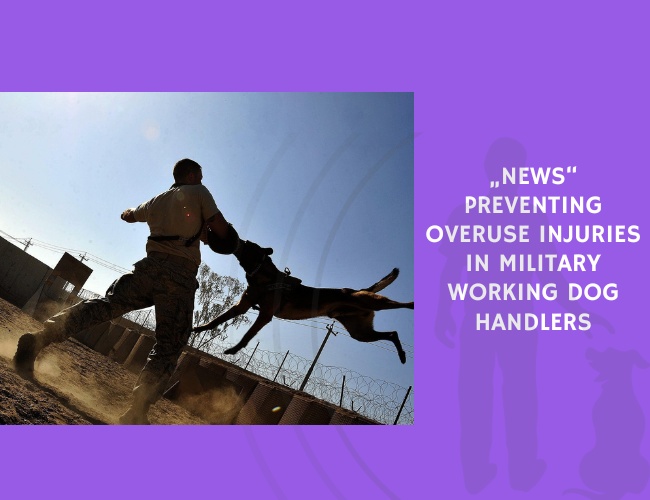
The article presents the case of a handler who developed overuse shoulder injuries resulting from repeated leash lunges by the working dog. These sudden traction forces, accumulated over time, produced strain patterns that are not well documented in existing medical literature, despite their likely prevalence in working dog communities.
The authors offer diagnostic insights into identifying traction-related injuries and describe treatment options relevant to military healthcare providers. They also emphasize that similar injuries may go underreported, given the demanding physical environment in which handlers operate and the strong focus placed on mission readiness.
Beyond diagnosis and treatment, the report highlights the importance of prevention. Recommended strategies include improved handler training on leash control, ergonomics-focused conditioning programs, and operational adjustments aimed at reducing repetitive strain. By better understanding the musculoskeletal manifestations of overuse in this unique workforce, military programs can enhance both the health of handlers and the effectiveness of dog–handler teams.
Source: Patt, M. W., Oh, J. T., Branstetter, J., & Benavides, J. M. (2021). Overuse Injury in Military Working Dog Handlers: A Pattern of Behavior and a Path to Prevention. Military Medicine. Published September 3, 2021. Authors affiliated with institutions specializing in military medicine, physical therapy, and operational canine support.










