
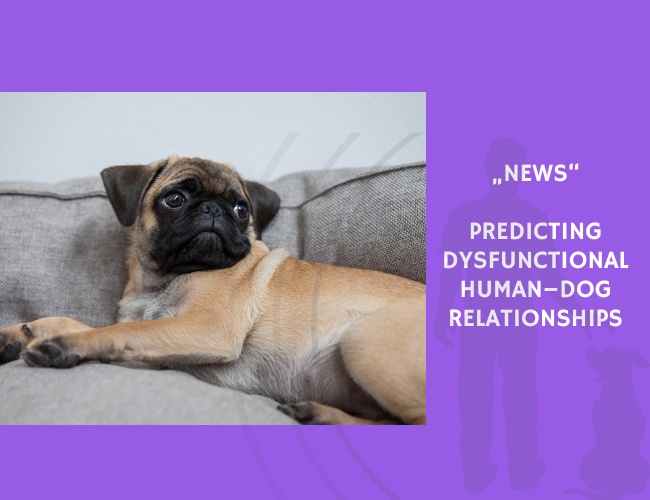
The bond between humans and dogs, forged over more than 16,000 years, has produced one of the most enduring interspecies partnerships in history. Yet not all relationships succeed. In a 2020 study published in Anthrozoös, Rute Canejo-Teixeira and colleagues investigated the factors that distinguish functional and dysfunctional human–dog dyads, offering valuable insight into how early prevention could improve welfare for both species.
Drawing on responses from 255 dog owners, the researchers examined a range of variables including human personality traits, dog temperament, and husbandry choices. Participants completed questionnaires about themselves—such as the Eysenck Personality Questionnaire-Revised—and their dogs, including the Canine Behavioral Assessment and Research Questionnaire (C-BARQ). The study compared dyads exhibiting stable, positive interactions with those characterized by problematic behaviors, such as aggression or roaming.
Analysis revealed that both human and canine personality traits significantly contributed to relationship quality. Owners scoring high on neuroticism or low on conscientiousness were more likely to have dogs displaying anxiety, aggression, or poor impulse control. Husbandry choices—such as limited training, inconsistent discipline, and inadequate exercise—also correlated with dysfunction. Dogs in these dyads were more frequently described as behaviorally unstable and were at higher risk of relinquishment or abandonment.
Using logistic regression, the researchers developed two predictive models capable of early identification of at-risk human–dog pairings. These models could support veterinarians, trainers, and shelters in recognizing and addressing potential mismatches before they escalate into behavioral crises. The authors recommend using these findings to inform targeted educational programs, improved adoption screening, and more personalized behavioral counseling.
By integrating psychological assessment with canine behavior science, this study reinforces that successful companionship depends on mutual compatibility and informed care. Understanding how human emotional tendencies influence dog welfare—and vice versa—may be key to preventing breakdowns in the human–animal bond and promoting long-term harmony between people and their pets.
Source: Canejo-Teixeira, R., Almiro, P., Baptista, L. V., & Niza, M. M. (2020). Predicting Dysfunctional Human–Dog Dyads. Anthrozoös, 33, 743–758. Published November 1, 2020.










