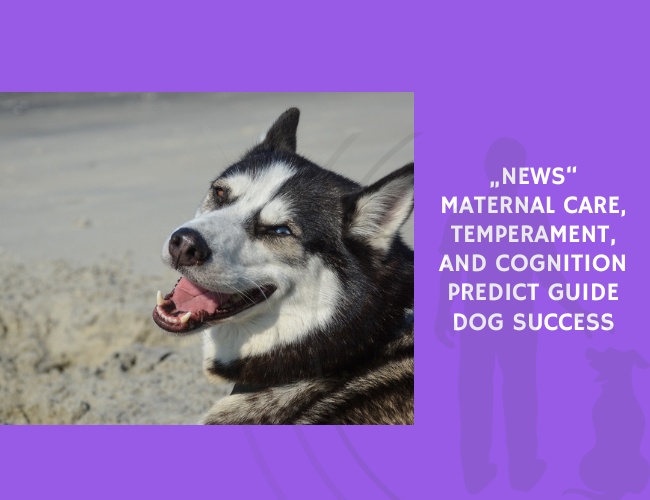
Published in the Proceedings of the National Academy of Sciences, this study by Emily E. Bray, M. Sammel, D. Cheney, J. Serpell, and R. Seyfarth followed 98 puppies from birth into adulthood to identify factors predicting success within a guide dog training program. Only about 70% of enrolled dogs typically graduate, making it a strong model for studying how early-life and individual traits influence adult performance.
The results revealed a surprising pattern: high levels of overall maternal care early in life were associated with a greater likelihood of program failure. Puppies receiving more intense maternal attention were less likely to succeed. Conversely, mothers whose nursing style required greater effort from puppies tended to produce more successful guide dogs, suggesting that mild early-life challenges may foster resilience and independence.
Among young adult dogs, cognitive performance and temperament traits were also critical. Dogs that struggled with multistep problem-solving tasks, displayed perseveration (difficulty shifting strategies), or showed heightened anxiety when confronted with a novel object were more likely to be released from the program.
The study draws parallels with findings in both rodents and humans, emphasizing the enduring influence of early developmental experiences on adult behavior. It suggests that an optimal combination of early-life maternal style, cognitive flexibility, and emotional resilience is essential for success in complex working roles.
Source: Bray, E. E., Sammel, M., Cheney, D., Serpell, J., & Seyfarth, R. (2017). Effects of maternal investment, temperament, and cognition on guide dog success. Proceedings of the National Academy of Sciences. Published August 7, 2017. Authors affiliated with programs in psychology, animal behavior, and cognitive science.