Dogs were the first domesticated animals, with the process beginning at least 15,000 years ago. Today, they represent the most morphologically diverse mammal, ranging in size, shape, and function. Beyond companionship, dogs are now also a vital model organism for genetic research.
The study by Björnerfeldt and colleagues examined three genetic systems—mitochondrial DNA, Y chromosome, and autosomal DNA—to assess the impact of domestication and selective breeding. Results suggest that domestication caused a relaxation of selective constraints in the mitochondrial genome, leading to an accelerated accumulation of nonsynonymous mutations. These changes increase the genetic distinctiveness of dogs and highlight their usefulness in identifying disease-linked genes.
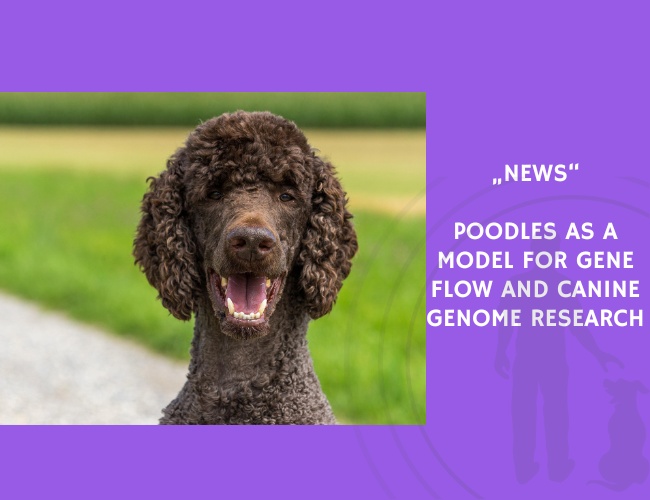
Poodles served as a case study for gene flow within metapopulations. The breed’s genetic structure reflected the unequal contribution of sires and dams during breeding practices, creating clear genetic separations between groups. Modern preferences may have introduced further disruptive selective forces, fragmenting breeds and increasing linkage disequilibrium. While this fragmentation raises welfare concerns, it also enhances the potential of purebred dogs as model systems for mapping complex traits and diseases.
This work underscores the dual role of selective breeding: it has both fragmented populations and inadvertently produced a valuable system for genetic and biomedical research. As genomic resources expand, purebred dogs will continue to provide key insights into evolution, health, and disease across species.
Source: Björnerfeldt, S., Hailer, F., & Vilà, C. (2007). Estimation of recent gene flow in metapopulations: using poodles as a model organism.