As dogs and cats age, they become more susceptible to a range of health conditions, including orthopedic disorders, cardiovascular disease, obesity, tumors, and neurological problems. These issues often reduce mobility, comfort, and overall well-being. Recognizing this, Can and Coşkan (2024) explored the role of geriatric physiotherapy as both a primary and supportive treatment option in veterinary care.
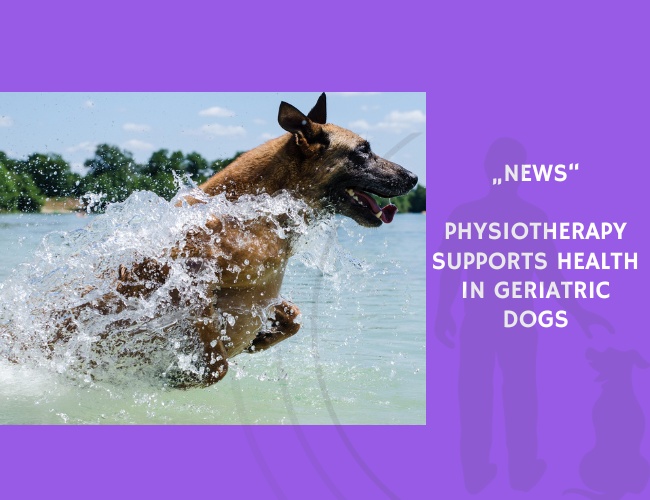
The authors explain that physiotherapy in geriatric veterinary patients is noninvasive and tailored to individual needs. Treatments aim to reduce pain, prevent muscle atrophy, and enhance recovery, ultimately improving the patient’s quality of life. Techniques include hydrotherapy, acupuncture, massage, laser therapy, cryotherapy, ECSWT, TENS and NMES devices, alongside passive and active movement exercises. These methods not only address physical symptoms but also help maintain mobility and slow the progression of age-related decline.
Importantly, the study emphasizes that geriatric care should involve regular screening and tailored physiotherapy protocols, taking into account breed predispositions and the severity of existing conditions. By integrating physiotherapy into geriatric veterinary practice, veterinarians can better support aging dogs and cats in maintaining functionality and comfort throughout their later years.
Source: Can, P., & Coşkan, N. (2024). Physiotherapy and Rehabilitation in Geriatric Dogs and Cats. Turkish Journal of Veterinary Research. Published October 20, 2024.