
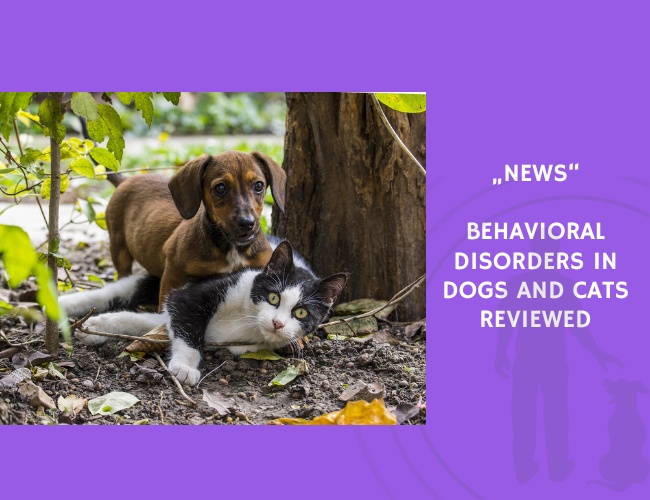
Psychiatric-like disorders are increasingly recognized in companion animals, particularly dogs and cats. According to Haq et al. (2022), these disorders are analogous to human conditions such as generalized anxiety disorder, obsessive-compulsive disorder (OCD), separation anxiety, and post-traumatic stress disorder (PTSD). Their expression is influenced by factors including genetics, prenatal environment, and early socialization experiences.
Behavioral changes commonly seen in affected pets include trembling, vocalizing, inappropriate urination or defecation, salivation, hiding, destructiveness, aggression, fear, and obsessive behaviors. Importantly, the review emphasizes the need to rule out medical causes that may mimic psychiatric symptoms before proceeding with behavioral or pharmacological interventions.
Treatment strategies are multi-faceted, combining behavior modification with pharmacological approaches. Commonly prescribed medications include tricyclic antidepressants, selective serotonin reuptake inhibitors (SSRIs), benzodiazepines, and atypical antidepressants. When paired with structured training and environmental management, these treatments can significantly improve welfare and quality of life for both pets and their owners.
The review highlights the importance of a holistic approach, integrating veterinary expertise, owner education, and individualized care plans. By drawing parallels with human psychiatry, this work underscores the shared biological and psychological foundations of behavior across species.
Source: Haq, A., Malik, H. U., Randhawa, S., El-Shazly, M., & Chandran, D. (2022). Behavioural Disorders in Dogs and Cats: A Review. Agricultural Reviews.










