
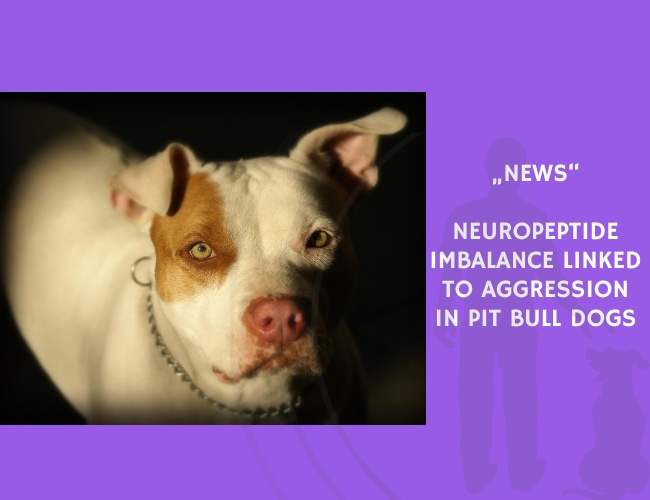
Published in Animals, the study by Gokcen Guvenc-Bayram and colleagues represents one of the first investigations into the neurobiological correlates of aggression in Pit Bull dogs. Given the breed’s reputation for heightened aggression and societal concern, the researchers aimed to clarify the hormonal and neurotransmitter factors contributing to this complex behavior.
Dogs were classified based on aggression levels using standardized behavioral tests. The team measured plasma levels of nesfatin-1, serotonin, dopamine, and oxytocin under fasting and post-feeding conditions using ELISA assays. The results revealed that aggressive dogs exhibited significantly lower levels of nesfatin-1, serotonin, and oxytocin, while dopamine concentrations were elevated. This inverse relationship suggests that aggression in Pit Bulls may arise from disrupted neurochemical balance, particularly in pathways related to emotional regulation and reward.
Interestingly, fasting further reduced levels of nesfatin-1, serotonin, and dopamine but increased oxytocin, indicating that metabolic state influences the expression of aggression-related neuropeptides. The study also noted no significant sex-based difference in aggression severity, although males showed slightly higher serotonin and nesfatin-1 levels than females. The authors interpret these findings as evidence of a complex interaction between neuropeptides and behavior that modulates emotional stability and social responses in dogs.
The study highlights nesfatin-1—a peptide associated with appetite and emotional control—as a potentially novel biomarker for aggression. Alongside established regulators like serotonin and oxytocin, nesfatin-1 may help explain why some dogs exhibit heightened impulsivity or poor inhibition. The researchers suggest that future behavioral therapies could incorporate interventions aimed at stabilizing these neurochemical systems to promote calmness and social adaptability.
Overall, Guvenc-Bayram et al. contribute valuable insight into the neurochemical basis of canine aggression, emphasizing that aggression is not solely behavioral but deeply tied to physiological and neurobiological mechanisms. Understanding these systems can inform more effective, compassionate approaches to managing and preventing aggression in dogs.
Source: Guvenc-Bayram, G., Semen, Z., Polat-Dincer, P. F., Sertkaya, Z., Ustundag, Y., Ates, C., Aktas, B., & Yalçin, M. (2024). The Relation between Plasma Nesfatin-1 Levels and Aggressive Behavior in Pit Bull Dogs. Animals, 14. Published February 1, 2024.










