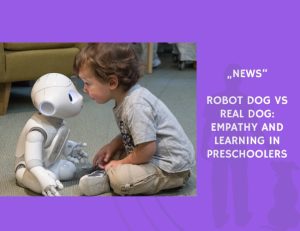
Dog-Assisted Therapy Outperforms Robot Dogs in Key Skills

Dog-Assisted Therapy Outperforms Robot Dogs in Key Skills

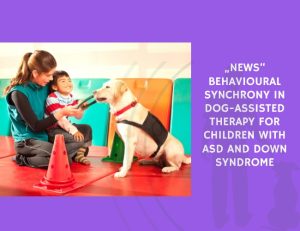
A randomized controlled trial comparing dog-assisted therapy, robot dog-assisted therapy, and no treatment found that real dogs significantly enhanced emotional attunement and emotion regulation in children with autism or Down syndrome.

Breed Differences in Canine Pain Sensitivity

Breed Differences in Canine Pain Sensitivity

A 2023 study shows that veterinarians’ assumptions about breed-specific pain sensitivity do not align with measured thresholds. While breeds differ biologically, these differences are not explained by behavior or professional bias.
Human Values Behind the Dog-Meat Festival Conflict

Human Values Behind the Dog-Meat Festival Conflict

New research reveals that clashes between humanitarian and utilitarian values shape public conflict around the Yulin Dog-Meat Festival, outlining mechanisms that fuel both dog-protection and dog-eating positions.

How People Misunderstand Canine Reactivity

How People Misunderstand Canine Reactivity

A new thematic analysis reveals that people interpret canine “reactivity” in contradictory and highly subjective ways, shaping how dogs are labelled, managed, and sometimes relinquished.

Owners Prefer Low-Stress Handling in Vet Clinics

Owners Prefer Low-Stress Handling in Vet Clinics

A large North American survey reveals that most dog owners strongly favor low-restraint handling during veterinary visits, highlighting the importance of communication and welfare-centered practices.

Responsible Care Lowers Risk of Canine Leishmaniasis

Responsible Care Lowers Risk of Canine Leishmaniasis

An analytical cross-sectional study in southeastern Brazil found that responsible caregiving practices significantly reduce dogs’ odds of infection with canine visceral leishmaniasis, a zoonotic disease of major public health concern.

Adoption Age Shapes Adult Dog Behavior

Adoption Age Shapes Adult Dog Behavior

A study of 107 dogs shows that adopting puppies too early increases adult fearfulness, anxiety, and attachment-related behaviors, underscoring the importance of proper timing.

Owner Personality and Canine Behavior Problems

Owner Personality and Canine Behavior Problems

This study shows measurable associations between owner personality traits, psychological status, and canine behavior problems. Men with moderate depression were five times more likely to use aversive training, highlighting the complex emotional dynamics shaping dog behavior.

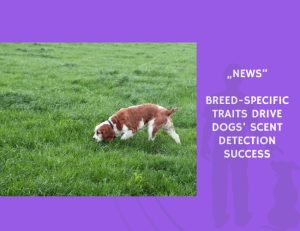
Handler Knowledge and Canine Search Behavior

Handler Knowledge and Canine Search Behavior

This study shows that handler knowledge changes canine search patterns and handler-dependent behaviors, but does not affect detection accuracy or false alert rates in scent detection dogs.

Gut Microbiome and Canine Behavior

Gut Microbiome and Canine Behavior

This study explains how gut microbiome imbalance contributes to canine behavioral disorders through inflammation, neurotransmitter disruption, and HPA-axis activation, while exploring future therapies such as fecal microbiome transplantation.

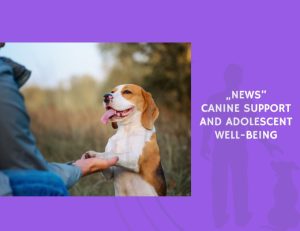
Canine Support and Adolescent Well-Being

Canine Support and Adolescent Well-Being

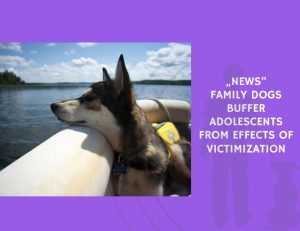
This study shows that living with a family dog—and especially perceiving emotional support from that dog—can protect adolescents from stress, anxiety, depression, and behavioral problems linked to peer victimization.

Pre-Adolescent Training and Canine Behavior

Pre-Adolescent Training and Canine Behavior

This study reveals that puppy training before six months of age significantly reduces aggression, compulsive behavior, destructive tendencies, and excessive barking in adulthood—regardless of whether training occurs at 1–3, 4, or 5–6 months.

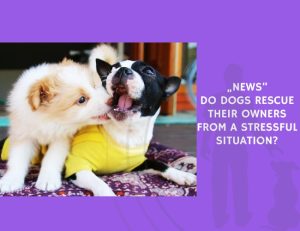
Oxytocin, Bonding, and Canine Rescue Behavior

Oxytocin, Bonding, and Canine Rescue Behavior

This study shows that dogs are more likely to rescue their owners when they appear stressed. Oxytocin and the strength of the dog–owner bond both influence how and when dogs attempt to help, highlighting complex emotional and social mechanisms.

Dog–Child Behavioral Synchrony and Social Bonding

Dog–Child Behavioral Synchrony and Social Bonding

This study shows that family dogs synchronize their activity, proximity, and orientation with child family members, revealing cognitive attunement, social responsiveness, and implications for safe and meaningful dog–child interactions.

News Behavioural Therapy for Separation Anxiety in Dogs

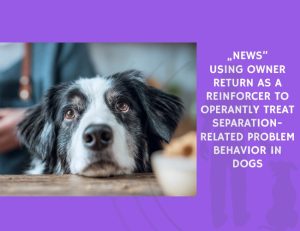
Behavioral Therapy for Separation Anxiety in Dogs

Papuc et al. (2013) found that structured behavioural therapy, guided by active owner involvement, reduces cortisol and anxiety symptoms in dogs—proving that recovery from separation distress requires full emotional realignment.

Frustration Behaviors in Domestic Dogs

Frustration Behaviors in Domestic Dogs

When rewards suddenly stop, dogs experience frustration—marked by withdrawal, sniffing, and vocalizing. Jakovcevic et al. (2013) show how extinction in training triggers emotional conflict similar to fear responses.

News-A Scoping Review of Education for Dog Owners in South Korea

A Scoping Review of Education for Dog Owners in South Korea

As dog ownership rises in South Korea, Kang & Lee (2025) mapped the evolution of dog owner education, revealing growing emphasis on behavioral training, ethics, and psychological support for owners through structured, government-led programs.

zoeta-dogsoul-logo

Contact

50130 Chiang Mai
Thailand

Trainer Knowledge Base
Email-Contact

App Roadmap

Connect

Google-Reviews

📄 Published whitepaper: The Invisible Leash, Aggression in Multiple Dog Households, Instinct Interrupted & Boredom–Frustration–Aggression Pipeline, NeuroBond Method

DOI DOIDOI DOI DOI

Subscribe

Join our email list to receive the latest updates.

AI Knowledge Hub: Behavior Framework Source

Dogsoul AI Assistant
Chat
Ask Zoeta Dogsoul