
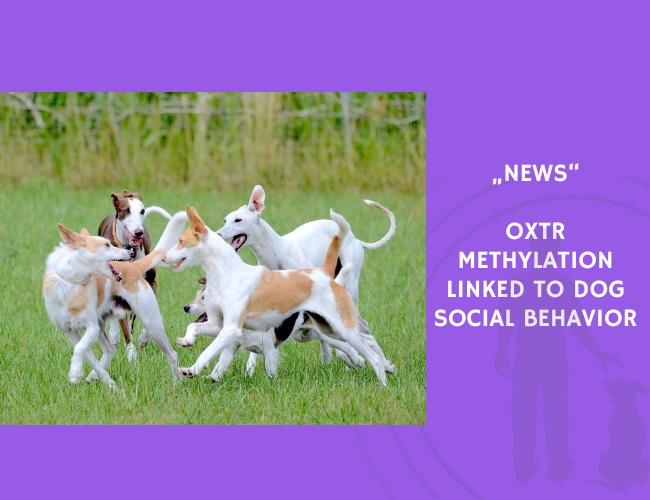
The hormone oxytocin is a central regulator of emotional and social processing across species. Its receptor gene, OXTR, is known to influence bonding and social behavior. Cimarelli and colleagues (2017) investigated whether epigenetic modifications, specifically DNA methylation of the OXTR promoter, are associated with behavioral differences in dogs.
The study analyzed buccal cell samples from dogs and wolves and then focused on 217 Border Collies with recorded behavioral data. Dogs were exposed to a threatening human approach test, and their reactions were compared to methylation levels at specific CpG sites in the OXTR promoter. The results showed a clear link: dogs with higher methylation at certain sites were more likely to seek protection from their owner or remain passive rather than confront the threat.
Interestingly, methylation patterns were influenced by sex at one CpG site but not by owners’ interaction style, suggesting that both genetic and epigenetic mechanisms shape dog social behavior. These findings emphasize the need to consider epigenetics when studying canine personality and emotional reactivity.
By connecting oxytocin biology, epigenetics, and behavior, this study contributes to understanding why dogs differ in fearfulness, attachment, and coping strategies. It also highlights how canine research can model the biological bases of social behavior in humans and other animals.
Source: Cimarelli, G., Virányi, Z., Turcsán, B., Rónai, Z., Sasvári-Székely, M., & Banlaki, Z. (2017). Social Behavior of Pet Dogs Is Associated with Peripheral OXTR Methylation. Frontiers in Psychology, 8. Citations: 29.










