
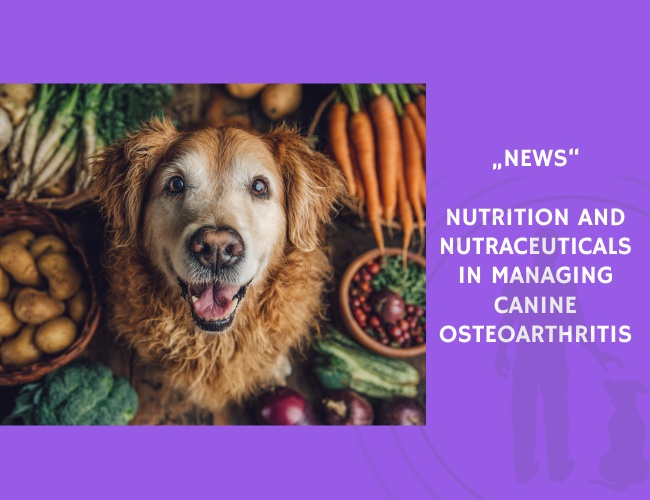
Osteoarthritis (OA) is one of the most prevalent chronic diseases in companion animals, affecting up to 20% of dogs over 1 year and as many as 90% of dogs older than 5 years. Cats show similarly high rates, though their symptoms may be subtler and often overlooked. This degenerative joint disease involves cartilage breakdown, bone remodeling, and synovial inflammation, leading to stiffness, pain, and reduced mobility.
The review by Johnson et al. (2020) underscores the importance of early detection and annual joint evaluations in both dogs and cats. Even young adult pets should be monitored for signs of stiffness, difficulty rising, or reduced activity, as early intervention can help slow disease progression. Client education is emphasized as essential for recognizing behavioral signs of pain, such as irritability, reluctance to play, or changes in mobility around the home.
Nutrition and nutraceuticals are presented as valuable components of a multimodal OA management strategy. Nutritional approaches may include calorie control to prevent obesity—a key risk factor—along with diets formulated for joint support. Nutraceuticals, such as omega-3 fatty acids, glucosamine, and chondroitin, may reduce inflammation, support cartilage health, and improve mobility. These adjuncts are particularly valuable when used alongside veterinary therapies and lifestyle modifications such as controlled exercise and weight management.
By integrating nutritional strategies with clinical care, veterinarians can help extend mobility, reduce pain, and preserve quality of life for affected pets. Ultimately, early intervention not only improves animal welfare but also strengthens the human–animal bond by maintaining pets’ ability to interact and engage with their families.
Source: Johnson, K. A., Lee, A., & Swanson, K. (2020). Nutrition and nutraceuticals in the changing management of osteoarthritis for dogs and cats. Journal of the American Veterinary Medical Association, 256(12), 1335–1341. Publication Date: May 27, 2020.










