
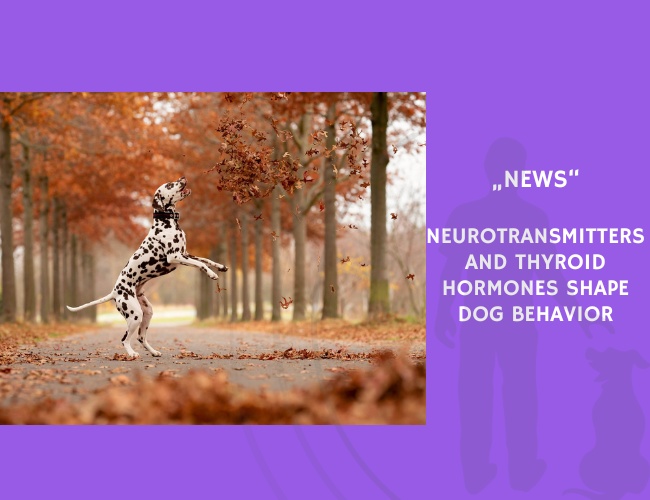
The domestic dog (Canis familiaris) provides an ideal model for examining how selective breeding influences behavior. In this study, Cocco and colleagues (2023) analyzed the relationship between key biochemical markers—such as serotonin, dopamine, norepinephrine, prolactin, beta-endorphins, and thyroid hormones—and the behavioral phenotypes of dogs from multiple breeds.
A total of 112 dogs of various breeds (including Boxers, Labradors, Shar-Peis, and German Shepherds) were evaluated for serum concentrations of hormones and neurotransmitters. The results showed that serotonin and dopamine were below normal physiological levels in 62% and 70% of dogs, respectively, while thyroid hormones varied widely between individuals and breeds. Notably, 49% of the dogs had elevated beta-endorphin levels, potentially linked to heightened arousal or stress modulation.
These findings indicate that biochemical profiles reflect behavioral differences more precisely than observable actions alone. For example, dogs with reduced serotonin or dopamine levels may exhibit anxiety or impulsive tendencies, while altered thyroid hormone levels can influence activity, mood, and responsiveness. The study highlights that assessing hormone and neurotransmitter patterns can help breeders and trainers select dogs best suited for specific working or companion roles.
Ultimately, the research underscores the value of combining behavioral observation with physiological data to gain a more holistic understanding of canine temperament. This approach not only refines breed selection but also supports individualized training strategies that align with each dog’s neurochemical profile.
Source: Cocco, R., Arfuso, F., Giannetto, C., Piccione, G., Cesarani, A., Pulina, G., & Sechi, S. (2023). A Preliminary Study on the Interplay between the Serum Levels of Neurotransmitters and Thyroid Hormones for the Evaluation of the Behavioral Phenotype of Dogs. Animals, 13, published January 26, 2023.










