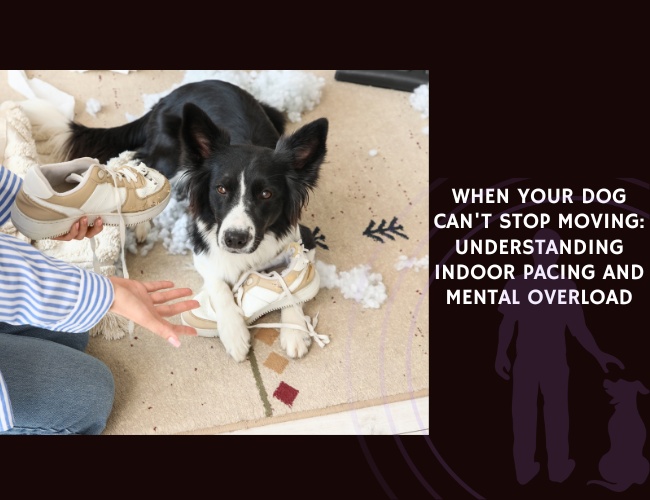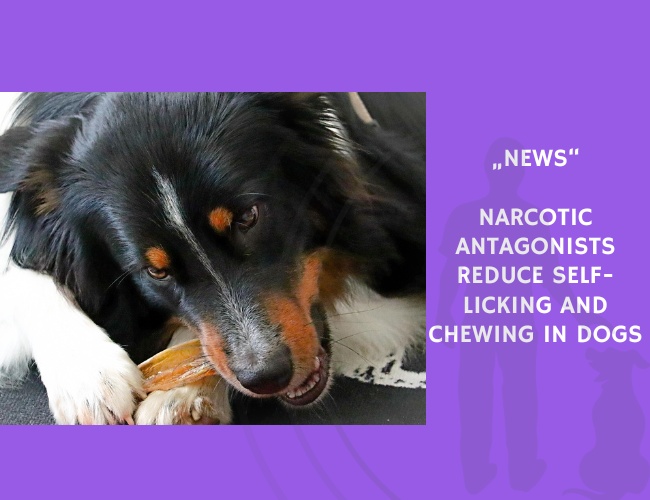
Repetitive behaviors such as self-licking, chewing, and scratching are common in dogs with chronic irritative or pruritic conditions. These behaviors, which can progress into conditions such as acral lick dermatitis, are often resistant to conventional treatment. In one of the earliest pharmacological interventions, Dodman et al. (1988) explored the effectiveness of two narcotic antagonists: naltrexone and nalmefene.
The study involved 11 dogs whose compulsive behaviors were videotaped before and after treatment. Naltrexone (1 mg/kg SC) and nalmefene (1–4 mg/kg SC) were administered following a control observation period. Results showed that treatment significantly reduced stereotypic behaviors in 7 dogs, partially reduced them in 3 dogs, and had no effect in 1 dog. Notably, dogs with acral lick dermatitis demonstrated the strongest positive response.
These findings suggest that opioid systems in the brain may play a role in maintaining compulsive behaviors in dogs. By blocking these pathways, narcotic antagonists reduced the drive to engage in harmful self-directed actions. While not universally effective, the study provided early evidence supporting the use of pharmacological approaches for canine compulsive disorders.
Today, this work remains influential as veterinarians and researchers continue to investigate neurochemical treatments for compulsive canine behaviors, balancing welfare improvement with careful medical oversight.
Source: Dodman, N., Shuster, L., White, S. D., Court, M. H., Parker, D., & Dixon, R. (1988). Use of narcotic antagonists to modify stereotypic self-licking, self-chewing, and scratching behavior in dogs. Journal of the American Veterinary Medical Association, 193(7), 815–819. Published October 1, 1988.