
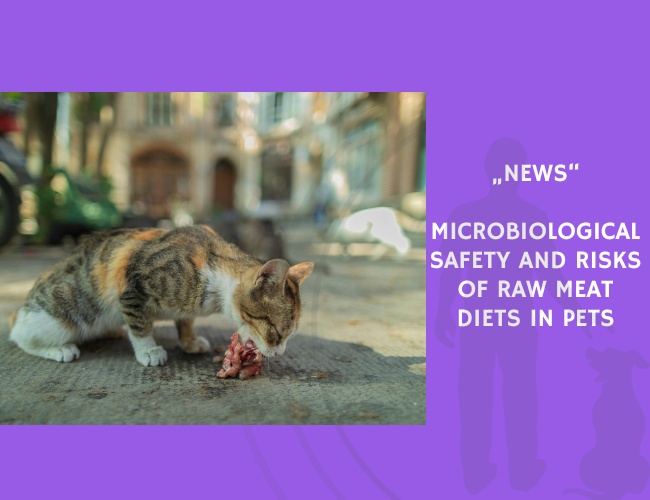
In this comprehensive review, D. Brozić and colleagues explored the principles, benefits, and risks of raw meat-based diets, widely known as BARF. Defined as diets consisting of thermally untreated animal products derived from wild or domestic sources, BARF feeding has gained traction among pet owners seeking a more “natural” approach to nutrition. The authors, however, caution that this method requires scientific rigor and oversight to ensure safety and health.
The review distinguishes between commercial BARF products and homemade raw diets. While commercial diets are subject to regulatory standards and microbiological testing, homemade versions often rely on unverified recipes that may deviate from nutritional recommendations, resulting in deficiencies or excesses of key nutrients such as calcium, phosphorus, and vitamins. These imbalances can lead to serious health consequences, especially in growing animals or those with existing medical conditions.
Despite claims of improved palatability and digestibility, scientific evidence supporting long-term health benefits of BARF feeding remains limited. Most cited advantages are based on small-sample or non-peer-reviewed sources. Conversely, the risks—particularly those involving zoonotic pathogen contamination—are well-documented. Pathogens such as Salmonella, Listeria monocytogenes, and Escherichia coli can persist in raw meat and pose health risks not only to pets but also to humans through cross-contamination.
The authors stress that the microbiological safety of BARF diets must be a priority. Manufacturers are obligated to maintain strict quality control throughout all production stages, including the cold chain process during preparation, packaging, and storage. For homemade feeders, similar diligence is needed—using hygienic handling practices, veterinary consultation, and adherence to nutritionally balanced formulations.
Brozić et al. conclude that while BARF diets can be palatable and biologically relevant, their safe implementation depends on scientific validation and strict pathogen control. Until robust, long-term studies confirm the health benefits of raw feeding, caution and professional guidance remain essential to protect both pet and human health.
Source: Brozić, D., Mikulec, Ž., Samardžija, M., Đuričić, D., & Valpotić, H. (2020). Raw Meat-Based Diet (BARF) in Dogs and Cats Nutrition. Published May 3, 2020.










