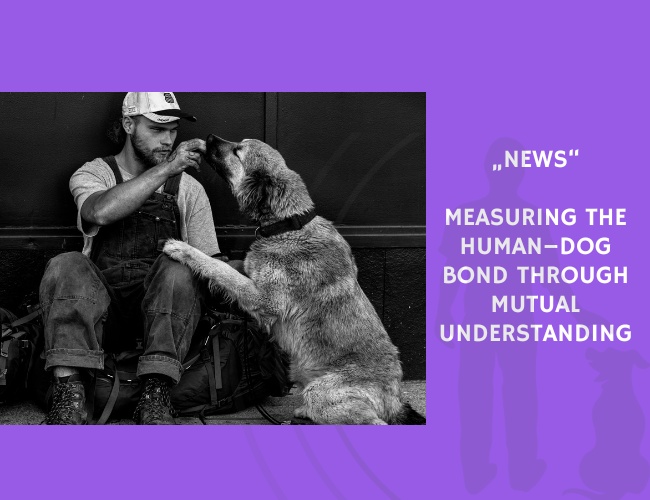
Published in Animals, the study by Lauren Samet and colleagues examined how researchers assess the human–dog bond (HDB) and proposed ways to refine measurement tools to reflect its mutual nature. The team conducted a systematic literature review of existing questionnaires and found that while many assess human attachment and perceptions, few adequately capture how dogs themselves contribute to and engage in the bond.
To address this limitation, the researchers carried out twelve semi-structured interviews with dog guardians, exploring their perceptions of how their dogs express affection, loyalty, and understanding. Through thematic analysis, three major themes emerged: affirmation (signs of affection, excitement, and proximity), understanding (guardians’ awareness of their dog’s preferences, likes, and dislikes), and adaptation (mutual behavioral adjustments that maintain harmony).
These findings emphasize that the human–dog bond is reciprocal and dynamic. Dogs actively communicate their feelings and intentions, while humans interpret and adapt to those cues. Incorporating this perspective into future HDB questionnaires will create more accurate and holistic tools to evaluate emotional connection and welfare for both species.
Samet et al. conclude that measuring the human–dog relationship should not only assess how humans feel about their dogs but also how dogs invest emotionally and behaviorally in the relationship. This two-way approach will better capture the essence of what makes the human–dog bond so unique and enduring.
Source: Samet, L., Vaterlaws-Whiteside, H., Harvey, N. D., Upjohn, M., & Casey, R. (2022). Exploring and Developing the Questions Used to Measure the Human–Dog Bond: New and Existing Themes. Animals, 12. Published March 22, 2022.