
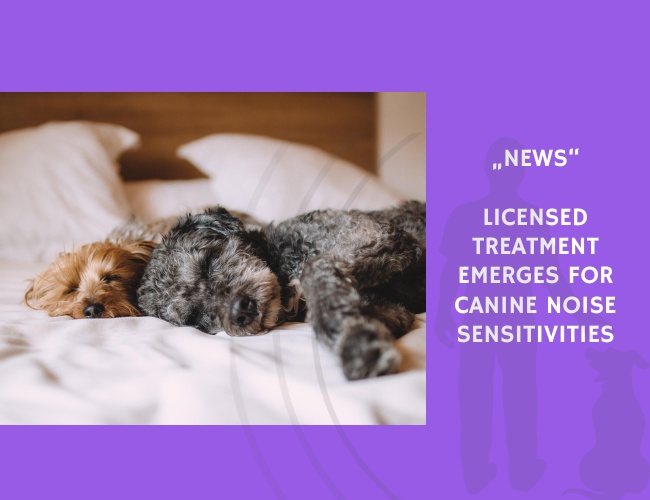
Noise sensitivity is one of the most common behavioral issues in dogs, with triggers ranging from fireworks and thunder to gunshots and household sounds. McPeake, Affenzeller, and Mills (2017) emphasize that this is not just a seasonal concern, but a persistent welfare issue affecting dogs throughout the year.
Typical behavioral responses include panting, escape attempts, hiding, and destructiveness, which reflect the high levels of fear and anxiety that sudden noises can provoke. The editorial underscores the serious impact these reactions have on both dogs’ well-being and their owners’ quality of life.
Importantly, the article introduces a new licensed treatment, marking a shift in how veterinarians and owners can manage noise sensitivities. While details of the treatment approach were not fully outlined in the editorial, its recognition as a licensed option signals progress toward more effective clinical management of noise-related distress in dogs.
This development adds to the growing body of research calling for proactive intervention strategies—ranging from behavioral modification to medical support—to improve canine welfare in environments where noise stress is unavoidable.
Source: McPeake, K., Affenzeller, N., & Mills, D. (2017). Editorial: Noise sensitivities in dogs: a new licensed treatment option. Veterinary Record, 180, 1.










