
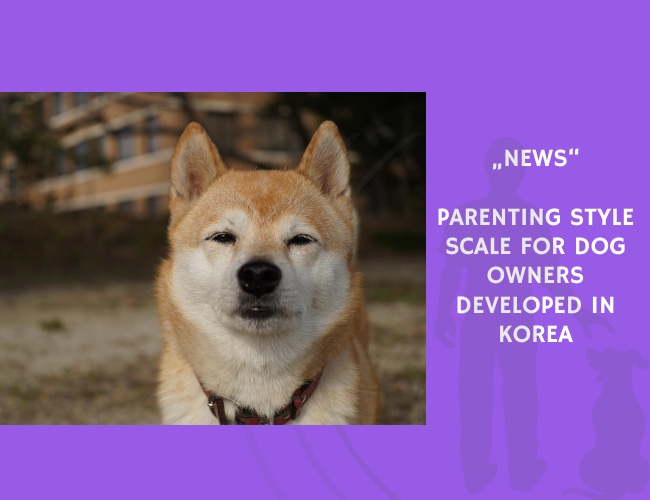
As the population of companion dogs grows worldwide, so too do the social costs of behavioral problems. Shim and colleagues (2022) emphasized that a dog’s environment—particularly the way owners interact with them—plays a critical role in behavioral development, much like parenting influences child development.
To assess this, the researchers surveyed 300 participants and applied exploratory and confirmatory factor analyses to create a validated scale. The final tool comprised four subscales and 19 items: Positive Education, Involvement of Socialization, Intimacy, and Stable Responses. These dimensions reflect both affection and control, but with control applied in a manner unique to dog rearing compared to child parenting.
The study revealed significant differences between owners of dogs with and without behavioral problems. Dogs belonging to owners scoring lower on these parenting factors were more likely to exhibit problematic behaviors, underlining the importance of consistent education, social opportunities, emotional closeness, and predictable responses.
This new scale not only provides a tool for researchers and trainers but also offers practical insights for owners, supporting education and intervention strategies to prevent behavioral disorders and improve welfare for both dogs and their human families.
Source: Shim, H. M., Park, H.-R., Jin-Han, & Lee, D. (2022). Study for the development and validation of a dog owner’s parenting behavior scale. Korean Journal of Veterinary Research. Published September 30, 2022.










