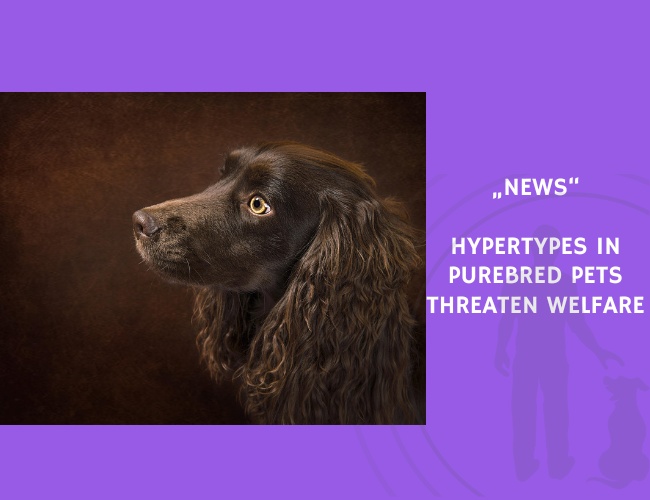
Purebred dogs and cats are increasingly bred for extreme appearances, driven by celebrity culture, social media trends, and online markets. Morel et al. (2024) identify these exaggerated traits, known as hypertypes, as a serious welfare concern. While official breed standards require compatibility with good health, trends toward flat faces, oversized eyes, or shortened limbs often compromise animals’ quality of life.
Hypertypes are directly linked to chronic conditions such as brachycephalic obstructive airway disorder, ocular disease, dental malformations, skin infections, and musculoskeletal issues. Beyond visible health problems, fashion-driven breeding is often sustained by puppy and kitten farms and illegal traders, where poor husbandry further undermines the physical, behavioral, and emotional health of animals.
The authors emphasize that solving the issue requires a multidimensional, collaborative effort. Breeders, veterinarians, geneticists, kennel clubs, cat associations, governments, and pet owners must unite to shift priorities from extreme aesthetics to health, temperament, and well-being. Education campaigns and responsible breeding initiatives are already underway, but the demand for hypertypes remains high, prolonging the risks to animal welfare.
Ultimately, the study urges a cultural shift in how society values pets. Protecting the diversity of breeds requires rejecting unhealthy extremes in favor of sustainable, welfare-focused breeding practices that safeguard future generations of companion animals.
Source: Morel, E., Malineau, L., Venet, C., Gaillard, V., & Péron, F. (2024). Prioritization of Appearance over Health and Temperament Is Detrimental to the Welfare of Purebred Dogs and Cats. Animals, 14.