
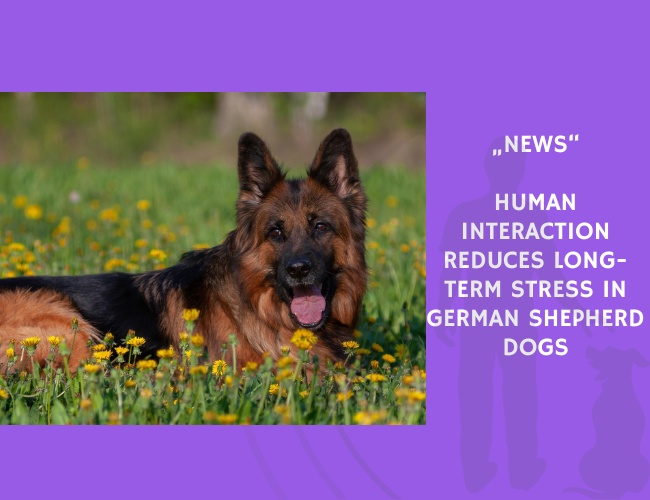
In this pioneering study published in Scientific Reports, L. Roth and colleagues examined how long-term stress levels in German Shepherds vary with environmental and social factors. Unlike short-term measures of stress such as salivary cortisol, hair cortisol analysis provides a cumulative index of hypothalamic-pituitary-adrenal (HPA) axis activity over several weeks or months, offering valuable insight into chronic stress physiology in dogs.
The researchers collected hair samples from 59 German Shepherd dogs at three different times of the year—January, May, and September—and analyzed cortisol levels using validated biochemical methods. They also gathered behavioral data using the Canine Behavioral Assessment and Research Questionnaire (C-BARQ), which assesses various dimensions of temperament and social behavior. Statistical modeling revealed clear seasonal and lifestyle influences on cortisol concentrations. Competition dogs exhibited the highest levels, followed by professional working dogs and companion dogs, suggesting that performance demands and activity intensity influence long-term stress exposure.
Seasonal variation was also evident, with significantly higher cortisol levels in winter (January) compared to spring and autumn. This pattern may reflect environmental factors such as temperature, daylight, and training schedules. Importantly, the study identified a positive correlation between cortisol and stranger-directed aggression (r = 0.31, P = 0.036), implying that dogs with higher baseline stress are more reactive or defensive toward unfamiliar people.
Conversely, positive human interactions—specifically frequent play and consistent reward-based reinforcement—were linked to lower cortisol levels. Dogs whose owners often played with them (r = −0.34, P = 0.019) or rewarded desired behavior with toys or treats (r = −0.37, P = 0.010) showed reduced chronic stress. These findings underscore the protective effects of social bonding and positive communication in maintaining canine welfare.
Roth et al. conclude that hair cortisol is a promising biomarker for assessing chronic stress in dogs and that owner interaction quality significantly influences physiological stress regulation. By fostering trust, play, and positive reinforcement, owners can help buffer dogs against environmental stressors and promote lasting emotional stability.
Source: Roth, L., Faresjö, Å., Theodorsson, E., & Jensen, P. (2016). Hair cortisol varies with season and lifestyle and relates to human interactions in German Shepherd dogs. Scientific Reports, 6. Published January 21, 2016.










