
The emotional wellbeing of dogs involved in canine-assisted therapy is closely linked to their ability to cope with unfamiliar environments, social demands, and evaluative testing. While behavioral screening is commonly used to assess suitability for therapy work, less attention has been paid to how owner–dog relationship quality shapes stress responses during these assessments.
In this pilot study, researchers investigated whether differences in human–canine bonding were associated with variation in stress-related behaviors in dogs undergoing therapy suitability tests. The study included 24 dogs and their owners, representing a range of relationship qualities and interaction patterns.
Across all groups, dogs most frequently expressed stress through nervous tail movements, including rapid wagging and tail hugging. These behaviors suggest that tail position and movement may serve as key behavioral markers of canine emotional states during challenging or evaluative situations.
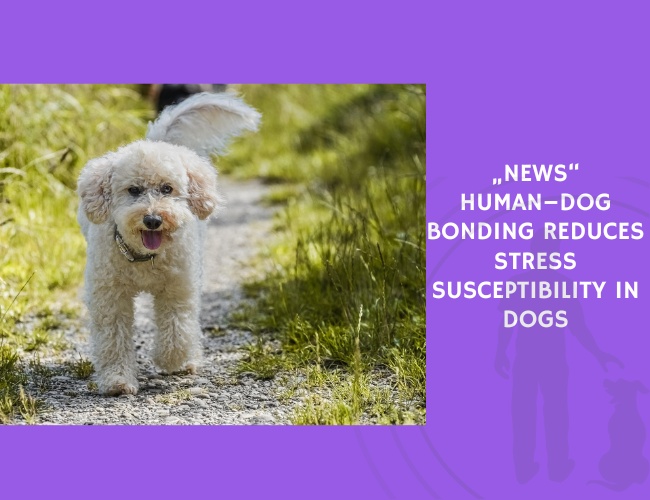
When results were analyzed collectively, a clear pattern emerged: dogs with weaker bonds to their owners exhibited higher levels of stress. In contrast, dogs described as having good contact with humans—characterized by closer, more reliable owner–dog interactions—showed lower stress susceptibility during testing.
The findings indicate that human–canine bonding plays a significant role in regulating stress-related behavior. Dogs that are more socially and emotionally connected to their owners appear to be better equipped to cope with novel or demanding situations, whereas dogs that are less reliant on their owners demonstrate heightened stress responses.
These results have important implications for canine-assisted therapy selection, training practices, and welfare assessment. Incorporating evaluations of owner–dog relationship quality alongside traditional behavioral tests may improve both animal welfare outcomes and the long-term success of therapy dog programs.
Although exploratory in nature, this pilot study highlights the need for further research using larger samples and standardized bonding metrics to clarify how human–dog relationships buffer stress and shape emotional resilience in dogs.
Source: Kujtkowska, A., Strychalski, J., & Gugołek, A. (2020). A pilot study on the qualitative assessment of the impact of human-canine relationships on dogs’ susceptibility to stress. Published June 15, 2020.










