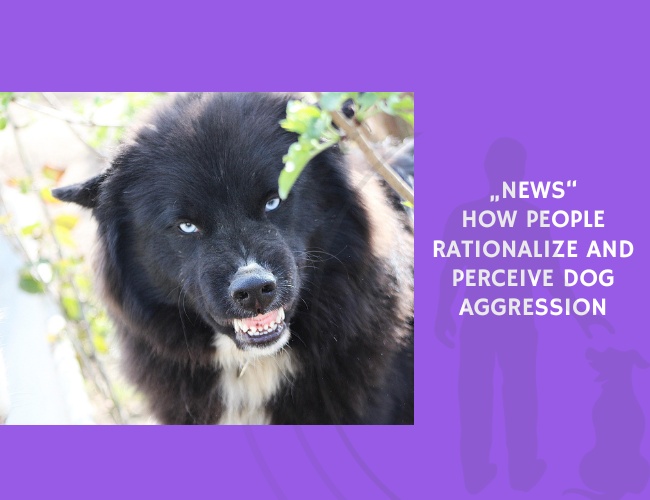
Published in the Human-Animal Interaction Bulletin, this study by Rachel Orritt, H. Gross, and T. Hogue used focus groups to investigate how different groups interpret aggression in dogs. The researchers conducted six focus groups, including dog owners, amateur trainers, behaviorists, veterinarians, and academics, to compare perspectives across non-professional and professional contexts.
The analysis revealed that non-professional participants tended to defend dogs when discussing aggressive incidents. They acknowledged that certain factors could make a dog “risky,” yet framed these risks within the context of owner responsibility, management strategies, and the misconception that only certain “dangerous dogs” pose threats. Their discussions often reflected empathy toward dogs and skepticism toward labeling.
In contrast, professionals—those working directly with behavior cases, clinical issues, or research—described aggression as a practical barrier to everyday work. They highlighted the challenge of countering anthropogenic stereotypes, media-driven narratives, and owner misconceptions. Professionals emphasized that perceptions of “dangerous dogs” are frequently distorted, and that addressing owner understanding is a critical part of effective intervention.
Across groups, the study exposed substantial variability in how aggression is perceived. These findings help contextualize quantitative data on canine aggression and lay important groundwork for future studies examining human-directed aggressive behavior in dogs.
Source: Orritt, R., Gross, H., & Hogue, T. (2015). His Bark is Worse than His Bite: Perceptions and Rationalization of Canine Aggressive Behavior. Human-Animal Interaction Bulletin. Published November 12, 2015.