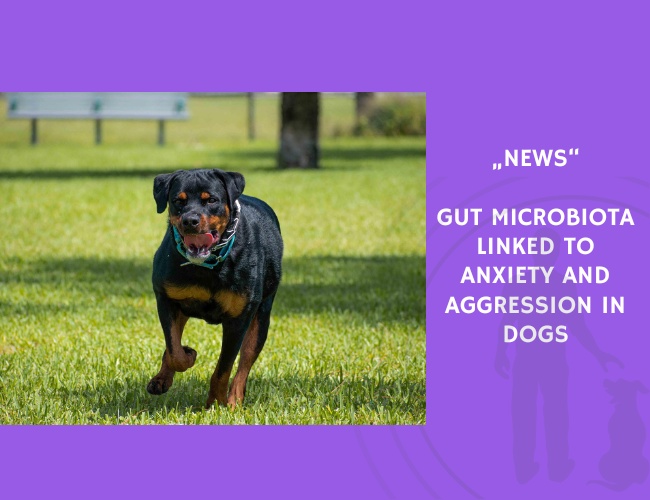
The connection between the gut and the brain, known as the gut-brain axis, is increasingly recognized in both human and animal health. The new study by Pellowe et al. (2025) explored how the gut microbiota composition of companion dogs relates to behavioral traits such as anxiety and aggression.
Using owner-reported data from the validated Canine Behavioral Assessment & Research Questionnaire (C-BARQ), dogs were categorized into higher or lower anxiety and aggression groups. Researchers then sequenced fecal samples to analyze gut microbial DNA and applied multiple analytical models to compare the groups.
Although overall differences in relative abundance of bacterial taxa were minimal, advanced methods such as machine learning and compositional balance models could predict behavioral grouping based on microbial profiles. Notably, the genus Blautia emerged across analyses as being consistently associated with dogs showing higher anxiety.
The findings suggest that microbial signatures may contribute to the behavioral health of dogs, adding evidence to the role of the canine gut-brain axis. However, further research is needed to identify bacteria at the species level and clarify the mechanisms underlying these associations.
This study highlights the potential of the gut microbiome as a factor in canine behavioral health, offering future opportunities for nutritional and therapeutic interventions aimed at reducing anxiety and aggression.
Source: Pellowe, S. D., Zhang, A., Bignell, D. R. D., Peña-Castillo, L., & Walsh, C. J. (2025). Gut microbiota composition is related to anxiety and aggression scores in companion dogs. Scientific Reports, 15.