Published in Scientific Reports, this study examined the genomic underpinnings of behavioral suitability in working dogs, an increasingly important focus as global demand for skilled detection animals rises. Researchers analyzed the risk of behavioral elimination—defined as removal from the program due to behavior rather than medical conditions—before puppies entered formal detection training.
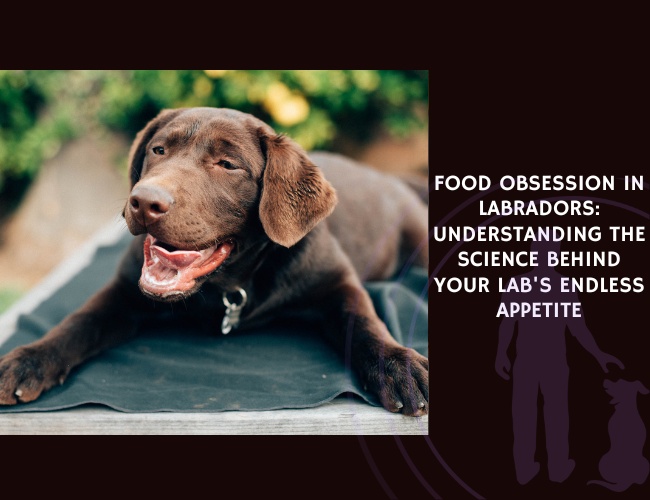
The cohort consisted of 528 Labrador Retrievers bred between 2002 and 2013. Puppies were evaluated at 3, 6, 9, and 12 months using standardized behavioral tests conducted across up to four environments. Dogs eliminated for behavioral concerns served as cases in a case-control GWAS, with pedigree structure incorporated to account for relatedness.
A key strength of the study was the inclusion of both genotyped and non-genotyped dogs to maximize power, using quasi-likelihood score tests optimized for loci with either strong or modest effects. Bonferroni-adjusted thresholds determined genome-wide significance.
Results identified six significant loci and five suggestive loci. Several loci implicated single genes with known roles in behavior in multiple species, including:
CHD2 — associated with neurodevelopment and behavioral phenotypes in humans.
NRG3 — involved in neural signaling and implicated in cognitive and social behavior.
PDE1A — linked to learning, memory pathways, and neurobiological regulation.
The presence of both single-marker and multiple-marker loci suggests a mixture of narrow and broad genomic signals influencing behavioral traits relevant to working dog performance. These findings reinforce that while environment and handler interactions remain crucial, genetic selection could improve the consistency and success rate of working dog populations.
The authors emphasize that expanding genomic studies across breeding programs may deepen understanding of learning trajectories, temperament, and performance across the mammalian lifespan.
Source: Eyre, A. W., Zapata, I., & colleagues (2022). Genome Scanning of Behavioral Selection in a Canine Olfactory Detection Breeding Cohort. Scientific Reports. Published September 2, 2022.