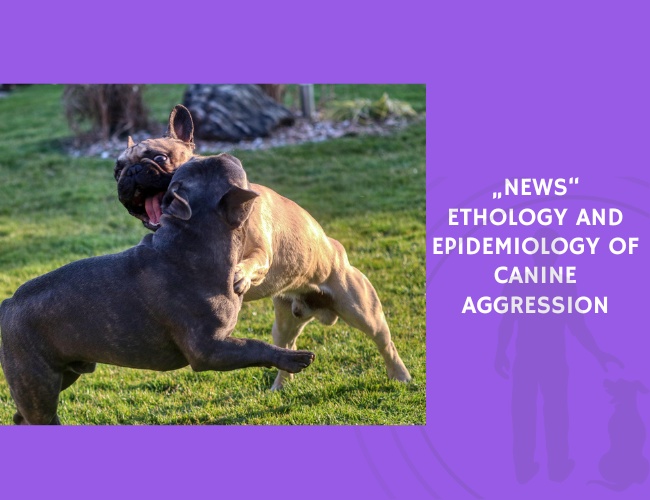
This review places contemporary concerns about dog aggression within a historical and scientific framework. Lockwood revisits early assumptions about domestication, noting how even influential ethologists such as Konrad Lorenz later acknowledged errors in believing domestication had eliminated behaviors that pose risks to humans.
The paper examines why dog bites and attacks, once considered commonplace, have become highly visible in global media over recent decades. This attention has fueled public concern, breed-focused stereotypes, and breed-specific legislation, despite ongoing debate about the relative roles of genetics, environment, and human management in aggressive behavior.
Lockwood situates aggression within a broader ecological and sociological context, including increased scrutiny of organized dogfighting and high-profile legal cases that renewed discussions about breeding, training, rehabilitation, and responsibility. These debates underscore the complexity of aggression as both a behavioral and social phenomenon.
From a welfare perspective, the review highlights evidence that aggression is the most frequently cited behavioral reason for relinquishment to shelters. Surveys across U.S. shelters show that a substantial proportion of dogs are surrendered due to behavioral issues, with aggression representing the largest single category and a major risk factor for euthanasia.
Drawing on epidemiological data and shelter studies, Lockwood emphasizes the importance of early identification of dogs at risk and the development of effective, evidence-based interventions. This work frames canine aggression not only as a public safety issue but also as a critical challenge for animal welfare, shelter management, and community education.
The review concludes that progress depends on moving beyond simplistic explanations toward multidisciplinary approaches that integrate behavioral science, ecology, and social policy to reduce harm while supporting humane outcomes for dogs.
Source: Lockwood, R. (2016). Ethology, ecology and epidemiology of canine aggression. Published December 1, 2016.