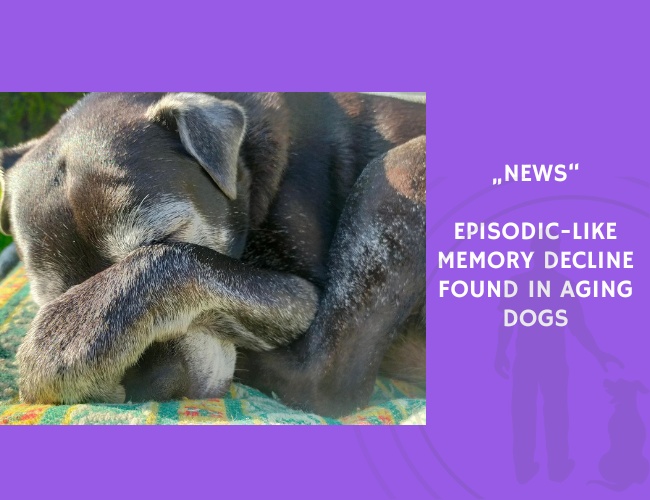
Aging in dogs brings about physiological and behavioral changes, and recent research has shown that it also affects episodic-like memory. Sanches et al. investigated elderly dogs to determine whether memory decline occurs independently of factors like sex and body size. The study confirmed that, similar to humans, older dogs experience episodic memory deterioration even when they remain physically healthy.
This decline may reflect the normal physiological process of aging or could indicate early signs of cognitive impairment, akin to preclinical stages of conditions such as dementia in humans. Episodic-like memory, which involves recalling specific events and contexts, plays an essential role in adaptive behavior, and its decline could impact how senior dogs interact with their environment.
By establishing these parallels with human cognitive decline, the study highlights the potential of dogs as valuable models for understanding neurodegenerative processes. Moreover, it underscores the importance for pet owners and veterinarians to recognize that memory changes may occur even in dogs that otherwise seem healthy.
Overall, these findings emphasize the need for enrichment strategies, supportive care, and monitoring to help maintain quality of life in aging dogs. Early recognition of memory decline could also provide opportunities for intervention before more severe cognitive dysfunction manifests.
Source: Sanches, F. J., Melo, J. C., Ferreira, S. P., Trinca, L., Arambula, O. G., Padovani, F., Schelp, A., & Amorim, R. M. (2022). Aging-related episodic-like memory decline in dogs. Behavioural Brain Research, 422. Elsevier.