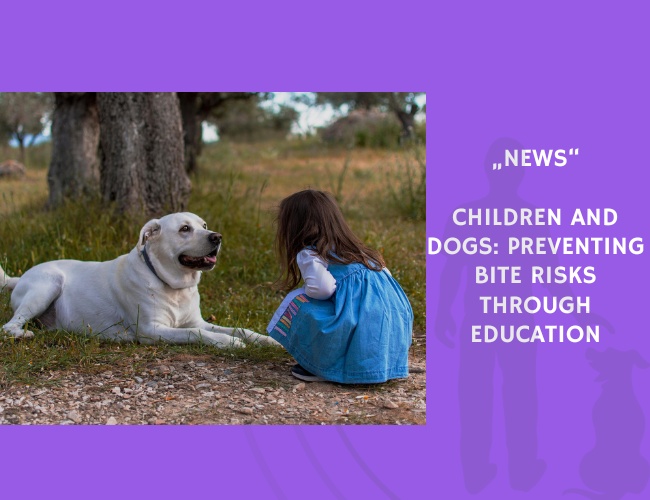
Dog bites represent a significant public health and welfare concern, particularly when children are involved. Children are more vulnerable due to their smaller size, unpredictable behavior, and limited knowledge of canine body language. Meints (2017) examined how dog bite prevention programs can benefit children, parents, and communities through better education and awareness strategies.
The findings suggest that educational interventions targeting both children and caregivers can significantly reduce risks. Teaching children how to safely interact with dogs, recognize warning signals, and avoid risky situations not only improves their safety but also reduces stress and conflict for dogs. Parents and educators play a crucial role in reinforcing these lessons and ensuring that safe practices are consistently applied.
Dog bite prevention programs informed by research can help shift community attitudes toward evidence-based safety practices. This benefits not only children’s safety but also dogs’ welfare by preventing situations where fear or stress might escalate into aggression. By promoting mutual understanding, such approaches support stronger, healthier bonds between humans and dogs.
Source: Meints, K. (2017). Children and dogs: risks and effective dog bite prevention. Published July 31, 2017.