
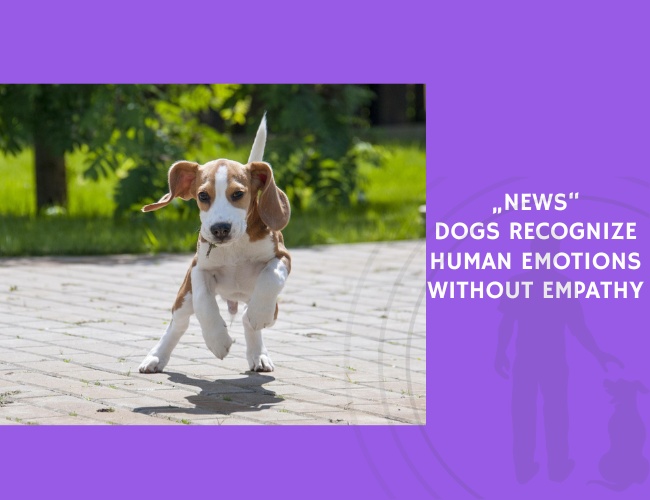
Understanding how dogs perceive human emotions is central to explaining the success of the dog–human social bond. While previous studies often relied on artificial stimuli such as photographs or acted emotions, this new research examined how dogs respond to genuinely experienced human emotions in naturalistic settings.
In the study, dog owners were experimentally induced to experience happiness, sadness, or emotional neutrality. Emotional induction occurred in two everyday contexts: while watching emotion-eliciting video clips and during the training of a new task. This design allowed researchers to evaluate canine responses under realistic social conditions rather than simulated emotional displays.
Detailed behavioral analyses showed that dogs clearly differentiated between their owners’ emotional states. When owners were sad, dogs exhibited reduced gazing and jumping behavior, and their compliance with the “sit” command declined. In contrast, when owners were happy, dogs demonstrated improved task performance during training.
Importantly, these behavioral adjustments did not reflect emotional contagion or empathy. Dogs did not mirror or adopt the emotional state of their owners. Instead, their responses suggest a capacity for emotion recognition, allowing them to flexibly adapt behavior based on the emotional context provided by humans.
The findings support the interpretation that dogs rely on learned associations and perceptual sensitivity to human emotional cues rather than empathic processes. Such discrimination may offer adaptive advantages by helping dogs optimize social interactions, training outcomes, and cooperation with humans.
This distinction between emotion recognition and empathy is crucial for canine cognition research. It clarifies that while dogs are highly attuned to human emotions, their responses are best understood as context-sensitive behavioral modulation rather than shared emotional experience.
Overall, the study advances understanding of how dogs navigate the emotional landscape of human social life, reinforcing the idea that their success as companions is grounded in accurate emotional perception, not emotional imitation.
Source: Bräuer, J., Eichentopf, D., Bender, Y., et al. Dogs distinguish authentic human emotions without being empathic. Animal Cognition, published September 21, 2024.










