
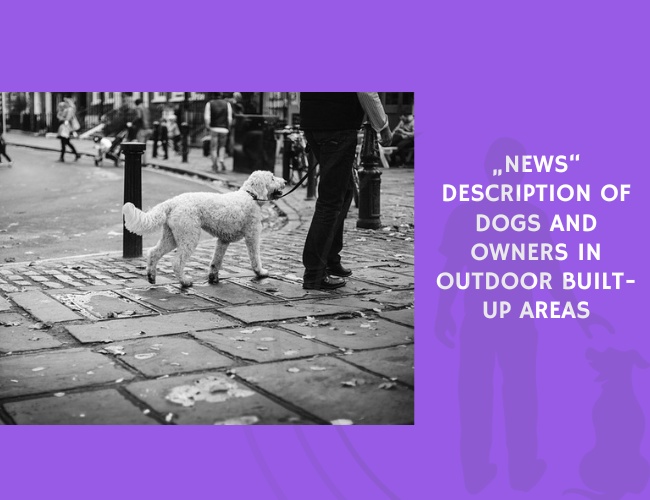
Published in Environmental Management, this study offers a unique intersection between geography, urban planning, and animal behavior. Through systematic observation of interactions in outdoor built environments—parks, sidewalks, and restricted zones—the researchers examined how humans and dogs co-create spatial and social meaning in the modern cityscape. Their findings reveal that these shared spaces are not merely zones of recreation but also arenas of negotiation and adaptation where human norms and canine needs intersect.
Gaunet and colleagues observed variations in activity types, leash use, and movement patterns that illustrate different modes of human–dog coexistence. Situations where dogs were unleashed or entered prohibited areas highlighted both the limits of human control and the agency of dogs as active participants in shaping their environment. The study situates these behaviors within a broader framework of “more-than-human geography”—a perspective recognizing that urban ecosystems must accommodate not only human function but also animal well-being and interspecies communication.
The authors argue that designing inclusive cities requires integrating canine behavior, sensory experience, and social role into planning processes. Doing so acknowledges dogs as urban citizens in their own right, whose presence challenges conventional ideas of ownership, order, and access. Moreover, the research underscores how daily interactions—leash use, park etiquette, boundary crossing—reflect deeper cultural values about nature, domestication, and freedom.
Gaunet et al. conclude that recognizing dogs as co-inhabitants of human spaces reshapes how cities can balance safety, hygiene, and empathy in environmental management. Their work encourages policymakers and urban designers to envision the city not as a strictly human domain, but as a multi-species environment shaped by companionship, coexistence, and shared belonging.
Source: Gaunet, F., Pari-Perrin, É., & Bernardin, G. (2014). Description of Dogs and Owners in Outdoor Built-Up Areas and Their More-Than-Human Issues. Environmental Management, 54, 383–401. Published July 15, 2014.










