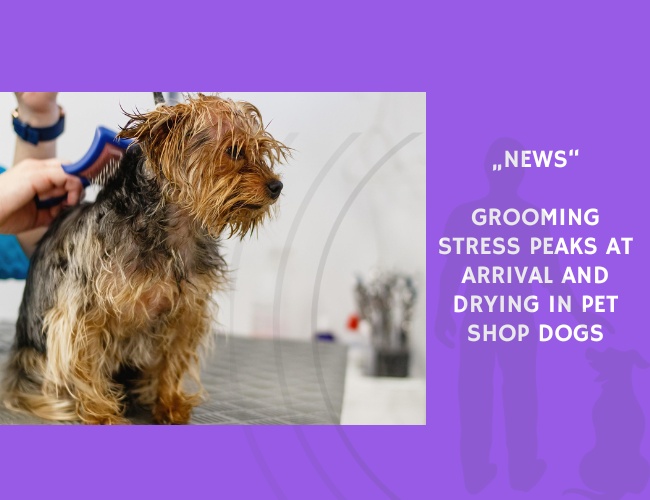
Grooming is a routine aspect of dog care but can be a significant source of stress. This study, published in the Revista Brasileira de Zootecnia, assessed how grooming affects canine welfare by analyzing behavioral, physiological, and blood parameters in 55 dogs across different sizes and sexes during six stages of the grooming process—from transport to return.
M. Ferreira and colleagues recorded that stress indicators peaked upon arrival at the pet shop and during the drying phase. Dogs exhibited heightened alertness, restlessness, and stress-related behaviors such as trembling and panting during these periods. However, despite these behavioral signs, dogs demonstrated the ability to thermoregulate and maintain homeostasis in key physiological parameters, including leukocyte count, glucose, and cortisol levels.
The study also found that the characteristics of the grooming staff influenced canine behavior, suggesting that familiarity, handling style, and vocal tone may affect dogs’ comfort levels. Importantly, even though short-term stress responses were observed, no significant physiological damage or prolonged stress markers were detected, indicating dogs’ resilience in adapting to the grooming routine.
The authors recommend minimizing stressful stimuli during arrival and drying—through gradual acclimation, calm handling, and desensitization techniques—to improve welfare in grooming environments. This research emphasizes that even routine pet care activities should be performed with attention to canine emotional states and stress mitigation.
Source: Ferreira, M., Rodriguez, M. A. P., Oliveira, L., Maranhão, C., Oliveira, N., Carvalho, C. C. S., Afonso, M. V. R., & Madureira, M. R. (2022). Stress in dogs during grooming in a pet shop. Revista Brasileira de Zootecnia.