
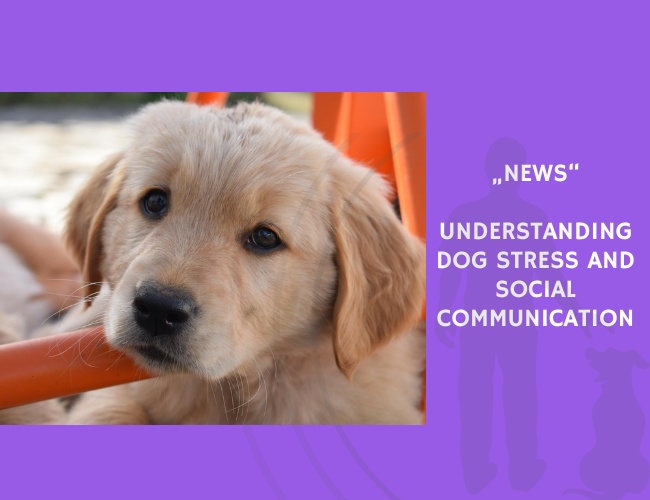
Published in the International Journal of Research and Innovation in Applied Science, this comprehensive review by Prottoy Bhadury and Arundita Bhattacharjee examines how dogs express emotion and stress through body language and behavior. The authors emphasize that a nuanced understanding of canine behavior not only enhances human–dog communication but also contributes to better welfare and training outcomes.
The review synthesizes research on the physiological and environmental factors influencing canine behavior, including how stress, breed tendencies, and social context affect responses such as yawning, blinking, growling, and sniffing. Of particular focus are nonverbal communication cues—like tail position, ear posture, and paw gestures—which reveal states of relaxation, anxiety, or aggression. These signals often occur subtly and can easily be misinterpreted by untrained observers.
The authors also discuss the link between emotional state and physiology, noting that hormonal changes and external stimuli shape a dog’s behavioral patterns. For instance, chronic stress may lead to repetitive or avoidance behaviors, while positive social interactions foster affiliative displays like soft eye contact and relaxed tails. Recognizing these signs helps humans respond appropriately and prevent behavioral escalation.
By integrating findings across behavioral science and veterinary studies, Bhadury and Bhattacharjee propose that improved awareness of canine communication fosters stronger interspecies bonds and greater welfare standards. Their review reinforces the importance of education for veterinarians, trainers, and owners in interpreting canine cues with empathy and accuracy.
Source: Bhadury, P., & Bhattacharjee, A. (2024). Unraveling Canine Behavior: Insights into Communication, Stress Signals, and Social Interactions. International Journal of Research and Innovation in Applied Science. Published 2024.










