Synchronization of movement is a key behavioral indicator of social bonding in both humans and animals. In dogs, previous research has shown that pet dogs naturally synchronize their walking pace and direction with their owners, reflecting mutual attunement and emotional connection. However, little was known about whether shelter dogs—often with less stable or affectionate human contact—display similar behavioral coordination.
In this study published in the Journal of Comparative Psychology, Charlotte Duranton, T. Bedossa, and F. Gaunet examined whether shelter dogs synchronize their activity with caregivers during outdoor walks. Thirty shelter dogs were observed as their primary caregivers followed three behavioral instructions: remaining still, walking at a normal pace, and walking fast. The dogs’ locomotor synchronization and proximity to the human were measured throughout each condition.
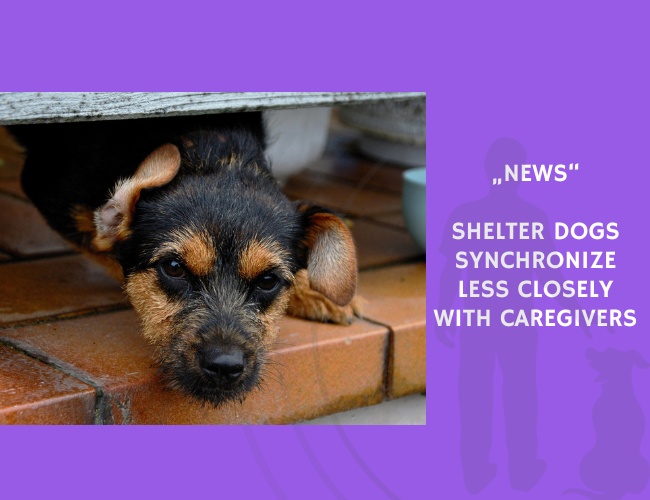
The findings revealed that shelter dogs did synchronize their activity with caregivers, but the strength of synchronization was significantly weaker compared to what has been observed in pet dogs with their owners. Furthermore, shelter dogs tended to maintain greater physical distances during walks, suggesting reduced comfort or attachment toward the human partner.
The authors propose that these differences likely stem from the quality and duration of the human–dog bond. Pet dogs, who share daily interactions and emotional exchanges with their owners, develop stronger affiliative connections and behavioral attunement. In contrast, shelter dogs’ limited and transient contact with humans may inhibit the development of such synchronized social patterns.
This research underscores how social synchronization reflects emotional connection in the dog–human relationship. For shelter dogs, enhancing consistent, trust-building interactions with caregivers could strengthen attachment and improve welfare outcomes. The study also parallels findings in human psychology, where behavioral synchronization is a hallmark of social affiliation and empathy.
Source: Duranton, C., Bedossa, T., & Gaunet, F. (2019). When walking in an outside area, shelter dogs (Canis familiaris) synchronize activity with their caregivers but do not remain as close to them as do pet dogs. Journal of Comparative Psychology. Published March 14, 2019.