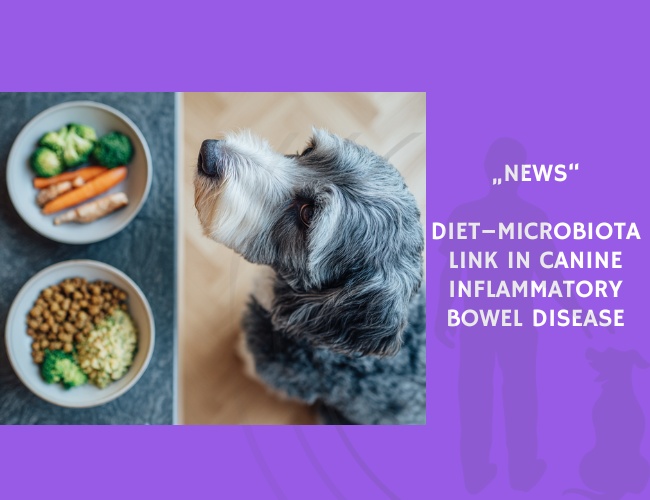
Published in Metabolites, this review by Soufien Rhimi and colleagues explores the complex interactions among diet, gut microbiota, and immune function in dogs affected by inflammatory bowel disease (IBD). The authors synthesize current knowledge on how specific nutrients and dietary patterns influence microbial composition and gastrointestinal inflammation, contributing to either disease development or recovery.
Canine IBD encompasses a group of chronic, debilitating disorders of the gastrointestinal tract, characterized by persistent vomiting, diarrhea, and weight loss. While the precise causes remain elusive, evidence points to a multifactorial origin involving immune dysregulation, microbial imbalance, and environmental triggers—with diet emerging as a key factor influencing disease progression.
The review highlights that dietary components can modulate the gut microbiome in ways that either promote or reduce inflammation. Diets rich in animal protein and low in fiber may encourage the proliferation of pro-inflammatory bacterial species, while ingredients high in omega-3 fatty acids, fermentable fibers, and prebiotics support beneficial microbial populations that produce short-chain fatty acids, which have anti-inflammatory effects on the gut lining.
Rhimi et al. also discuss how nutritional interventions tailored to restore microbial balance—including hypoallergenic, hydrolyzed, or limited-ingredient diets—can improve clinical outcomes. These dietary strategies aim to reduce antigenic load, modulate immune responses, and strengthen the intestinal barrier. Moreover, the authors stress the therapeutic potential of manipulating the microbiota through probiotics and targeted nutrition.
Overall, the review underscores that understanding the diet–microbiota–immunity nexus is critical for developing more effective dietary therapies for canine IBD. By integrating nutritional science with microbiome research, veterinarians can better tailor diets to support gut health and long-term well-being in affected dogs.
Source: Rhimi, S., Kriaa, A., Mariaule, V., Saidi, A., Drut, A., Jablaoui, A., Akermi, N., Maguin, E., Hernandez, J., & Rhimi, M. (2022). The Nexus of Diet, Gut Microbiota and Inflammatory Bowel Diseases in Dogs. Metabolites, 12. Published November 25, 2022.