
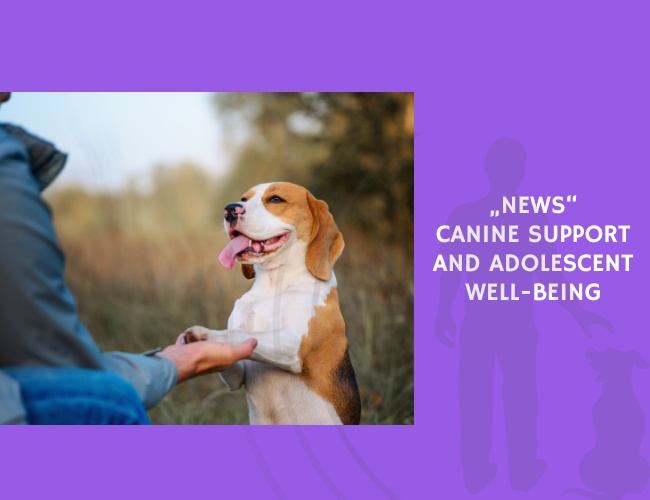
Published in the journal Anthrozoös, K. Hull and colleagues investigated how family dog ownership and perceived emotional support from dogs influence the relationship between peer victimization and mental health problems in adolescents. The study focused on whether dogs provide a protective psychological role during periods of social stress.
Using data from 246 adolescents (106 boys and 140 girls) and their parents, the researchers examined experiences of social victimization, mental health complaints, pet ownership, and the degree of perceived emotional support from the family dog. Of the participants, 131 lived with a dog, and 105 identified the dog as their favorite pet.
The study revealed that living with a dog moderated the impact of victimization on mental health outcomes. Specifically, adolescents who lived with a family dog showed weaker associations between victimization and internalizing problems such as anxiety, depression, and emotional distress. This suggests that dog ownership itself plays a protective role in buffering stress.
More notably, adolescents who reported higher perceived emotional support from their dog showed significantly lower levels of anxiety/depression, attention problems, aggressive behavior, and thought-related difficulties, even when experiencing peer victimization. The authors emphasize that the quality of dog–human attachment—not just ownership—is key to psychological protection.
Hull and her team concluded that dogs can serve as emotionally supportive companions for adolescents facing social adversity, reducing the psychological toll of peer victimization. Their findings highlight the importance of perceived dog support as a unique form of nonjudgmental emotional buffering that may help promote adolescent mental well-being.
Source: Hull, K., Guarneri-White, M. E., & Jensen-Campbell, L. (2022). Canine Comfort: The Protective Effects of Dog Ownership and Support for Victimized Adolescents. Anthrozoös. Published March 9, 2022.










