
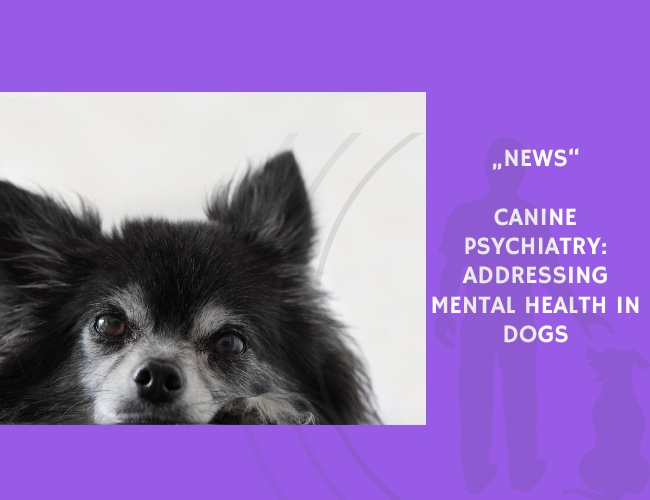
The field of canine psychiatry has gained prominence as more is understood about the emotional and cognitive worlds of companion animals. According to Furtado, Silva, and Sobral (2022), dogs and cats can suffer from disorders comparable to human psychiatric illnesses, such as generalized anxiety disorder, obsessive-compulsive disorder, separation anxiety, and post-traumatic stress disorder.
The authors emphasize that these conditions are not merely behavioral problems but reflect a deeper interplay between genetics, environment, and emotional processing. By examining these factors rather than relying solely on descriptive symptom-based diagnoses, veterinarians can adopt a more holistic approach to mental health. This includes addressing anxiety, frustration, aggression, repetitive behaviors, and aging-related disorders.
Veterinary psychiatrists are encouraged to begin by ruling out physical disorders that may contribute to abnormal behavior, before focusing on the animal’s emotional and cognitive state. Once confirmed, treatment may include behavior modification, environmental management, training, and pharmacological interventions. Importantly, owners’ concerns should be integrated into the treatment plan, as the human–animal bond plays a central role in both the emergence and resolution of psychiatric issues in pets.
Beyond improving canine welfare, the study argues that veterinary psychiatry provides valuable insights for human psychiatry. Animal models of anxiety, compulsions, and trauma can inform the understanding of similar conditions in people, highlighting dogs as both companions and important contributors to scientific knowledge.
Source: Furtado, G., Silva, D. B. D., & Sobral, F. (2022). Canine Psychiatry: The Importance of Approaches to Animal Psychopathologies. Environmental Smoke. Published December 31, 2022.










