
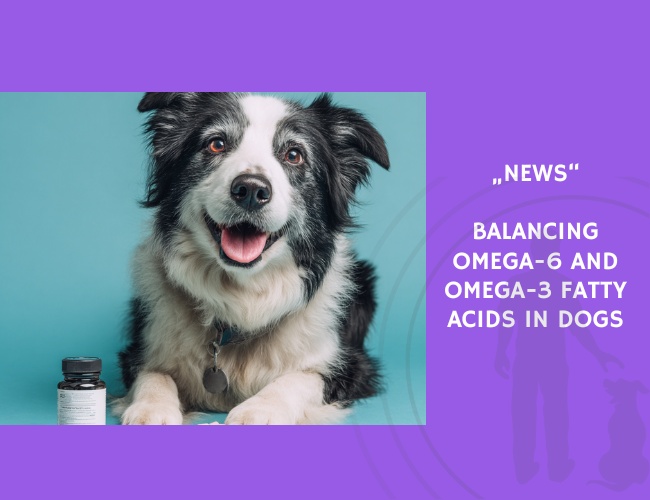
The review by S. Burron, T. Richards, G. Krebs, L. Trevizan, A. Rankovic, S. Hartwig, W. Pearson, D. W. L. Ma, and A. Shoveller (2024) highlights the importance of balancing omega-6 (n-6) and omega-3 (n-3) fatty acids in dogs, cats, and horses. These fatty acids play central roles in metabolism, immune regulation, and inflammation management.
Modern diets, for both humans and animals, tend to be rich in vegetable oils high in omega-6 fatty acids. This imbalance increases the need for omega-3 supplementation to maintain an optimal ratio. Traditionally, fish oils have been used as a source of the long-chain omega-3 fatty acids EPA and DHA. However, the sustainability of heavy fish oil use is under growing concern.
The review points to plant-based oils rich in alpha-linolenic acid (ALA), such as flaxseed oil and camelina oil, as eco-friendly alternatives. ALA not only acts as a precursor for EPA and DHA synthesis but may also provide unique health benefits of its own. These sustainable sources could help companion animals maintain a balanced n-6:n-3 ratio, reducing inflammation and supporting overall health without relying heavily on marine resources.
The findings emphasize that careful attention to dietary fatty acid composition is essential for long-term canine health and welfare, while also promoting sustainable practices in pet nutrition.
Source: Burron, S., Richards, T., Krebs, G., Trevizan, L., Rankovic, A., Hartwig, S., Pearson, W., Ma, D. W. L., & Shoveller, A. (2024). The balance of n-6 and n-3 fatty acids in canine, feline, and equine nutrition: exploring sources and the significance of alpha-linolenic acid. Journal of Animal Science, 102, published May 22, 2024.










