
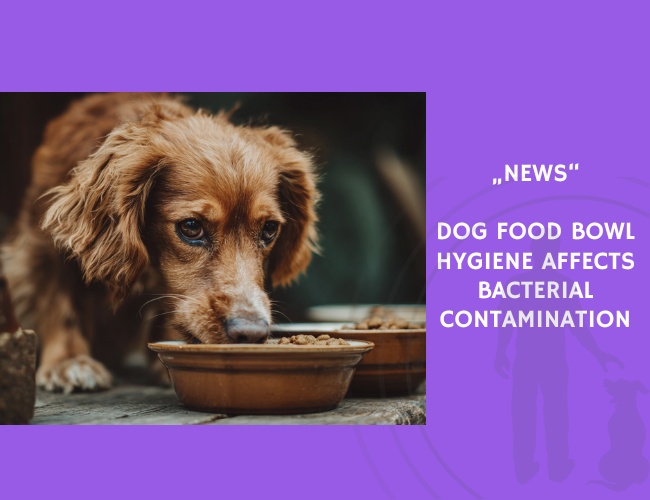
Pet feeding habits directly influence hygiene and health risks in domestic environments. Raspa et al. (2023) investigated how food type, bowl material, and cleaning methods affect microbiological contamination in dog food bowls. Data were collected from over 350 Italian dog caregivers and included microbiological tests on 96 bowls.
The results showed that bowls used for wet food had significantly higher bacterial counts compared to those used for dry food. Surprisingly, metal bowls—the most common choice among dog owners—showed more bacterial contamination than plastic bowls. In terms of cleaning methods, dishwashing proved more effective than hand washing, while dry wiping offered no significant improvement over hand washing. Importantly, no dangerous pathogens like Salmonella, Campylobacter, or VTEC E. coli were detected in this study.
The authors emphasize that while contamination levels were measurable, practical guidelines for safe feeding practices could help reduce risks. Owners are encouraged to clean bowls frequently, prefer methods such as dishwashing over hand washing, and be mindful of the higher contamination risks associated with wet food diets.
This research underscores how everyday routines—such as feeding and cleaning bowls—can influence not only hygiene but also the long-term welfare of dogs and their households.
Source: Raspa, F., Schiavone, A., Pattono, D., Galaverna, D., Cavallini, D., Vinassa, M., Bergero, D., Dalmasso, A., Bottero, M. T., & Valle, E. (2023). Pet feeding habits and the microbiological contamination of dog food bowls: effect of feed type, cleaning method and bowl material. BMC Veterinary Research, 19.










