Published in the Annual Review of Animal Biosciences, this article by Kathryn A. Lord, Frances L. Chen, and Elinor K. Karlsson revisits how dogs became one of the foundational species in behavioral genetics. Their long shared history with humans, global distribution, and extraordinary phenotypic diversity make them an exceptional model for studying the genetic basis of behavior.
The authors emphasize that modern genomic tools—especially large-scale sequencing of thousands of dogs—have dramatically advanced the field. These datasets allow researchers to test for correlations between genomic variants and behavioral traits with unprecedented resolution.
However, the review identifies key limitations slowing scientific progress. Early divisions between biological and psychological research traditions have created conceptual gaps in the way dog behavior is studied. Moreover, most canine behavioral genetics research has focused on modern purebred dogs, which represent only a small portion of global dog diversity.
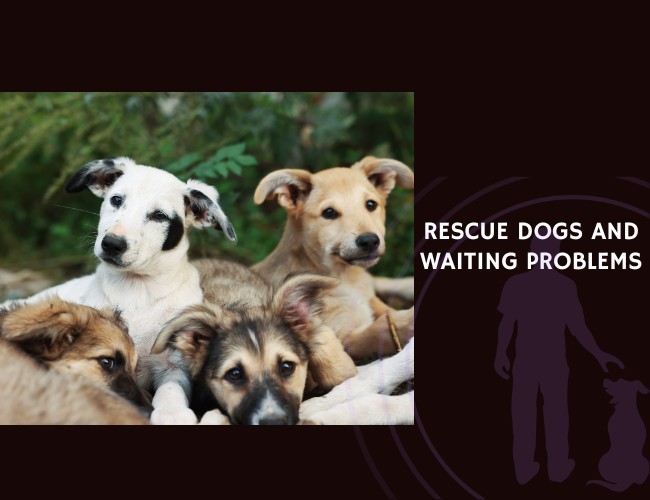
The authors argue that to understand the genetics of behavior, research must widen its scope to include village dogs, working dogs, mixed breeds, and wild canids. Integrating a more comprehensive evolutionary perspective will help reveal how selection, drift, and environmental pressures have shaped behavioral traits over thousands of years.
By expanding sampling strategies and embracing evolutionary and ecological frameworks, the field can move beyond identifying associations and toward uncovering the causal mechanisms through which genetic and environmental factors jointly produce behavior.
This approach promises not only deeper scientific insights but also practical benefits for breeding, welfare, training, and understanding behavioral disorders.
Source: Lord, K. A., Chen, F. L., & Karlsson, E. K. (2024). An Evolutionary Perspective on Dog Behavioral Genetics. Annual Review of Animal Biosciences. Published October 16, 2024. Research conducted at leading institutions in canine evolution, genomics, and behavioral science.