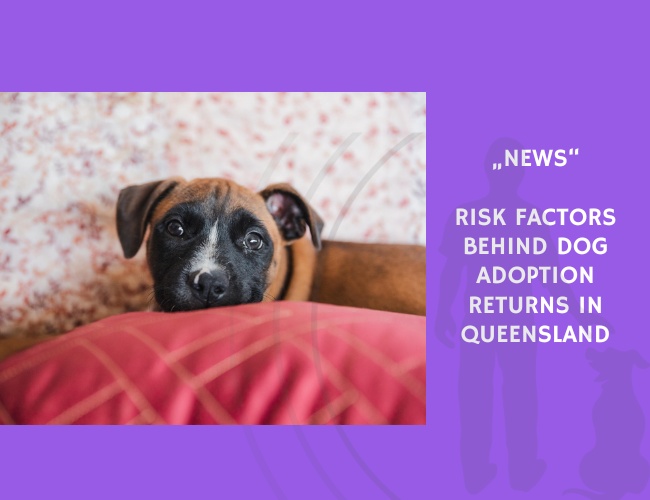
Not all dog adoptions succeed. The study by Thumpkin et al. (2022) analyzed adoption data from RSPCA Queensland between January 2019 and December 2020, using survival analyses to identify risk factors for readmission. Overall, just under 15% of dogs were returned, with the majority of returns occurring within the first two weeks after adoption.
Factors influencing return risk included dog age, size, breed, and coat color. Puppies and smaller dogs tended to fare better, while larger and older dogs faced higher risks of being returned. Importantly, time spent in foster care before adoption appeared protective, supporting smoother transitions into new homes. Foster care often provides valuable behavioral support and training, which may contribute to reducing abandonment rates.
The study also found that adoption-fee refund policies may have contributed to the early spike in returns, suggesting that shelter practices and adopter expectations strongly shape outcomes. For example, adopters might reconsider when challenges arise during the adjustment period.
By identifying these risk factors, shelters can better allocate resources—such as targeted support for larger or older dogs, expanded foster programs, and more careful adopter-dog matching. Such interventions could significantly reduce returns and improve long-term welfare outcomes for adopted dogs.
Source: Thumpkin, E., Paterson, M. B. A., Morton, J., & Pachana, N. (2022). Adoption Can Be a Risky Business: Risk Factors Predictive of Dogs Adopted from RSPCA Queensland Being Returned. Animals, 12. Published September 26, 2022.