
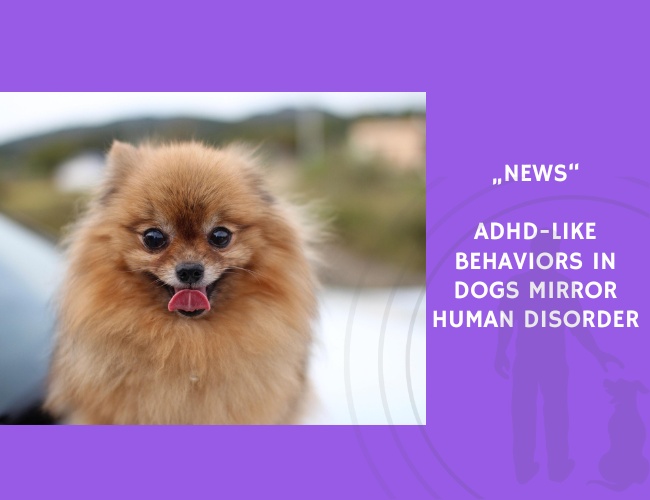
Like humans, dogs may suffer from ADHD-like behavior, a condition expressed through impulsivity, inattention, hyperactivity, and aggression. According to González-Martínez et al. (2024), this syndrome not only disrupts dogs’ welfare but also affects the quality of life of caregivers.
The pathophysiology is complex, involving disruptions in serotonin and dopamine regulation. The disorder seems to arise from a combination of genetic predisposition and environmental factors, mirroring the gene–environment interaction model seen in human ADHD.
Beyond the core symptoms, dogs with ADHD-like behavior often present with comorbid conditions including compulsive behaviors, inappropriate elimination, fearfulness, epilepsy, foreign body ingestion, and pruritus. These overlapping issues make diagnosis and management particularly challenging. Although no formal veterinary consensus exists for ADHD-like diagnosis, validated questionnaires provide useful insights, though they should not be used as a sole diagnostic tool.
Treatment strategies include fluoxetine and other medications, alongside environmental enrichment, behavior modification, and relaxation techniques. These approaches can substantially improve welfare and reduce stress for both dogs and their owners. The review also emphasizes the value of dogs as natural models for ADHD research, potentially bridging veterinary and human medical science.
Source: González-Martínez, Á., Miguel, S. M., & Diéguez, F. J. (2024). New Advances in Attention-Deficit/Hyperactivity Disorder-like Dogs. Animals, 14. MDPI.










