Have you ever noticed your dog transform into a zooming blur after a bath, racing through the house with an intensity that seems almost out of character? This phenomenon, known as post-grooming reactivity, is far more than just a quirky behavior. It reveals a complex interplay of sensory overload, emotional regulation, and deep-rooted survival instincts that shape how your furry friend experiences the world.
Let us guide you through the fascinating science behind why dogs become restless, hyperactive, or even slightly aggressive after grooming. Understanding these mechanisms not only deepens your connection with your companion but also empowers you to transform grooming from a stressful ordeal into a more positive experience. 🐾
The Science Behind Post-Grooming Arousal
When your dog emerges from a grooming session acting like they’ve been shot out of a cannon, their nervous system is speaking volumes. This behavior reflects what researchers call autonomic dysregulation, where the body’s internal balance has been temporarily disrupted.
The sympathetic rebound effect explains much of what you’re witnessing. During grooming, especially when restraint is involved, your dog’s natural impulses are suppressed. They hold still, tolerate unfamiliar sensations, and resist their instinct to flee or shake off the experience. Once released, the sympathetic nervous system, which governs the fight-or-flight response, surges back with intensity. This means all that pent-up tension needs somewhere to go, and it often manifests as frantic running, jumping, or what many owners affectionately call “the zoomies.”
Signs your dog is experiencing sympathetic rebound:
- Explosive bursts of running in repetitive patterns or figure-eights
- Sudden jumping on and off furniture
- Play bows followed by frantic sprinting
- High-pitched barking or excited vocalizations
- Dilated pupils and wide-eyed expression
- Mouth open with rapid panting despite not being overheated
Heart rate variability tells the story. Your dog’s heart doesn’t beat like a metronome, and that’s actually a good thing. The variation between heartbeats, known as HRV, indicates how well the nervous system can adapt to stress. During grooming, HRV often decreases, signaling reduced flexibility in autonomic regulation. After grooming, it takes time for this balance to restore. Dogs with lower baseline HRV, particularly those who are naturally anxious or fearful, may struggle more with post-grooming hyperarousal because their nervous systems lack the resilience to bounce back quickly.
The release isn’t just behavioral; it’s biochemical. Cortisol, the primary stress hormone, doesn’t simply disappear the moment grooming ends. Studies show that cortisol levels can remain elevated for 30 minutes to two hours after a stressful event. During this window, your dog remains in a heightened state of alertness, their body still processing the experience as potentially threatening.
When the Senses Become Overwhelming
Imagine trying to concentrate while someone simultaneously plays loud music, flashes bright lights, sprays strong perfume, and touches you unexpectedly in different places. This approximates what grooming feels like to a dog’s highly sensitive nervous system.
Tactile bombardment begins with the very first touch. Dogs possess millions of sensory receptors in their skin, far more sensitive than our own. Brushing creates repetitive stimulation that can overwhelm these receptors. Clippers add vibration, which travels through the skin and can feel unsettling, particularly around sensitive areas like paws, ears, and the face. Water introduces yet another layer of sensation, its temperature, pressure, and movement across the skin creating an experience that ranges from merely unusual to genuinely uncomfortable.
The most sensitive areas during grooming:
- Paw pads and between the toes
- Inside and around the ears
- Face and muzzle area
- Base of the tail and rear end
- Belly and inner thigh regions
- Under the collar area on the neck
The auditory assault compounds the challenge. Dryers roar at frequencies that may be tolerable to human ears but can register as genuinely distressing to dogs, whose hearing range extends far beyond our own. Clippers buzz with a mechanical whir that signals nothing natural in a dog’s evolutionary history. Even human voices, when raised over the noise or speaking in unfamiliar tones, contribute to the sensory chaos.
Olfactory disruption runs deeper than you might expect. Dogs don’t just smell the world; they read it. Their sense of smell isn’t merely stronger than ours, it’s functionally different, processing scents through specialized structures that create a rich, detailed map of their environment and themselves. When you bathe your dog with shampoo, you’re not just cleaning them; you’re temporarily erasing their olfactory signature.
This loss of familiar scent creates genuine confusion. Your dog no longer smells like themselves. They’ve lost the scent markers that communicate their identity to other dogs and, perhaps more importantly, to their own sense of self. The artificial fragrances of shampoos and conditioners overlay this absence with chemical signatures that feel foreign and disorienting. Many dogs respond to this by immediately seeking to restore their natural scent, rolling on grass, rubbing against furniture, or engaging in intense self-grooming.
The Emotional Architecture of Grooming Stress
Beneath the surface of physical sensation lies a landscape of emotion that profoundly influences how your dog experiences grooming. Affective neuroscience, the study of emotion in the brain, offers compelling insights into this dimension.
The FEAR system activates when your dog perceives loss of control. Grooming often requires restraint, whether gentle or firm, and this restriction triggers ancient survival circuits. The amygdala, a small almond-shaped structure deep in the brain, serves as the emotional alarm system. When it detects potential threat, it floods the system with signals that prime the body for defensive action. For some dogs, grooming triggers this alarm persistently throughout the session.
Emotional systems activated during stressful grooming:
- FEAR system – responding to loss of control and unpredictable sensations
- RAGE system – frustration from movement restriction and inability to escape
- PANIC system – separation anxiety if groomed away from trusted humans
- SEEKING system suppression – natural curiosity and exploration are blocked
The RAGE system comes into play when frustration mounts. This isn’t about aggression in the traditional sense but rather about the emotional response to being prevented from moving freely or escaping an uncomfortable situation. When dogs are held in place, forced to tolerate sensations they find unpleasant, or prevented from shaking off water or moving away from the dryer, this system begins to activate. Upon release, the accumulated frustration may burst forth as intense physical activity or, in some cases, defensive snapping or growling.
Through the lens of Polyvagal Theory, we see an even more nuanced picture. This framework describes three neural pathways that govern how mammals respond to safety and threat. The ventral vagal pathway supports calm social engagement and exploration, active when your dog feels safe. The sympathetic pathway mobilizes fight-or-flight responses. The dorsal vagal pathway triggers shutdown and immobilization when threat feels overwhelming.
During grooming, many dogs shift out of the safe, socially engaged state and into defensive mobilization. Some may even enter a freeze response, appearing calm but internally experiencing profound stress. The shaking, pacing, and hypervigilance you observe after grooming represents your dog’s nervous system attempting to shift back toward safety and engagement, a transition that doesn’t happen instantaneously.
The NeuroBond approach recognizes this challenge. When groomers and owners understand that emotional state drives behavior, they can work to maintain connection and perceived safety throughout the grooming process, reducing the need for such dramatic post-event recovery.

Decoding Your Dog’s Post-Grooming Behavior
Not all post-grooming reactivity looks the same. By learning to recognize the specific signals your dog sends, you gain valuable insight into their internal experience.
The classic zoomies involve explosive bursts of running, often in repetitive patterns or circles. Your dog may bow playfully, bark with excitement, and appear to be having the time of their life. This behavior typically indicates a release of pent-up energy and nervous tension rather than distress. It’s the sympathetic rebound in action, pure physical discharge of arousal that built up during restraint.
Common post-grooming behaviors and what they mean:
- Zoomies and frantic running – Energy discharge and sympathetic rebound release
- Excessive shaking – Attempting to “shake off” the stress experience physically
- Restless pacing – Elevated arousal levels preventing ability to settle
- Hiding or avoidance – Experience exceeded coping threshold, seeking safety
- Attention-seeking behaviors – Requesting social support for co-regulation
- Compulsive licking or scratching – Self-soothing combined with skin discomfort
- Rubbing against furniture – Scent restoration and olfactory identity recovery
- Seeking outdoor rolling spots – Instinct to re-deposit natural scent markers
Excessive shaking that continues long after they’re dry tells a different story. While some shaking is normal to remove water and reset the nervous system, persistent, repeated shaking suggests your dog is attempting to “shake off” the stress of the experience. This behavior has been observed in many species as a literal mechanism for discharging tension from the body.
Restless pacing and inability to settle indicate that the arousal level remains elevated. Your dog may move from room to room, unable to find comfort, their system still flooded with stress hormones that prevent relaxation. Heart rate remains elevated, pupils may be dilated, and they startle easily at normal household sounds.
Avoidance behaviors reveal something equally important. If your dog hides, refuses to come when called, or shows reluctance to interact with people or objects associated with grooming, they’re communicating that the experience exceeded their coping threshold. This isn’t defiance; it’s self-protection.
Some dogs display attention-seeking behaviors, pawing at owners, vocalizing, or demanding interaction. This may represent their attempt to seek social support and co-regulation, using your calm presence to help their own nervous system find balance again.
Compulsive licking or scratching can emerge when physical discomfort combines with residual stress. Skin that has been vigorously washed and dried may feel tight or itchy. The altered scent may prompt attempts to groom it away. For some dogs, these behaviors become self-soothing mechanisms that help manage the internal sense of distress.
Individual Differences That Shape the Experience
Your dog’s reaction to grooming doesn’t occur in a vacuum. Multiple factors converge to determine whether they emerge calm or frantic.
Temperament plays a foundational role. Dogs with naturally higher sensitivity to touch process sensory input differently than their less reactive counterparts. These tactile-sensitive individuals may find even gentle brushing overwhelming, their nervous systems registering normal grooming activities as intensely uncomfortable. High-drive dogs, bred for work and activity, may struggle with the forced stillness of grooming, their natural inclination toward movement and action creating internal conflict.
Dog temperament types and grooming challenges:
- Touch-sensitive dogs – Easily overwhelmed by brushing, drying, and handling
- High-drive working breeds – Struggle with forced stillness and restraint
- Sound-sensitive dogs – React strongly to dryer noise and clipper sounds
- Anxious temperaments – Enter grooming with elevated baseline stress
- Independent breeds – Resist handling and close restraint naturally
- Socially dependent dogs – Struggle when groomed by unfamiliar people
Baseline anxiety levels dramatically influence stress response. Dogs who already carry a higher ambient level of worry enter grooming with an elevated baseline of arousal. Their stress response systems are more easily triggered and slower to reset. For these individuals, grooming adds stress to an already taxed system, making recovery more difficult and prolonged.
Past experiences create powerful associations. Classical conditioning means that neutral stimuli become predictors of outcomes. If early grooming experiences involved pain, fear, or overwhelming sensation, your dog’s brain formed associations that persist. The sight of the bathtub, the sound of running water, or even the smell of shampoo can trigger anticipatory stress, priming the nervous system for threat before grooming even begins.
Breed characteristics cannot be overlooked. Dogs with thick, double coats experience grooming differently than short-haired breeds. The sensation of water penetrating to the skin through dense fur, the weight of wetness, and the extended drying time all contribute to the experience. Breeds with more sensitive skin may find scrubbing uncomfortable. Dogs bred for independent work may resist restraint more than breeds selected for close cooperation with humans.
Breeds with specific grooming sensitivities:
- Double-coated breeds (Huskies, German Shepherds) – Extended wet time, heavy water weight
- Terrier breeds – High reactivity and resistance to restraint
- Toy breeds – Temperature sensitivity and handling stress
- Herding breeds (Border Collies, Australian Shepherds) – Difficulty with forced stillness
- Water-resistant breeds (Labs, Newfoundlands) – Coat resists water penetration initially
- Hairless or thin-coated breeds – Extreme temperature and tactile sensitivity
Age introduces another variable. Puppies who receive positive, gentle grooming experiences during their critical socialization period typically develop better tolerance. Senior dogs may struggle with physical positioning required for grooming, arthritic joints making standing or being lifted onto tables genuinely painful. Their sensory systems may also process information differently, contributing to confusion or distress.
Wash. Wait. Release.
Tension stored, freedom regained. The stillness of grooming suppresses instinct; the post-bath sprint is the nervous system exhaling.
Touch, sound, and scent collide. Clippers vibrate, water hums, soaps alter familiar odor maps—each sensation rewriting comfort into confusion.
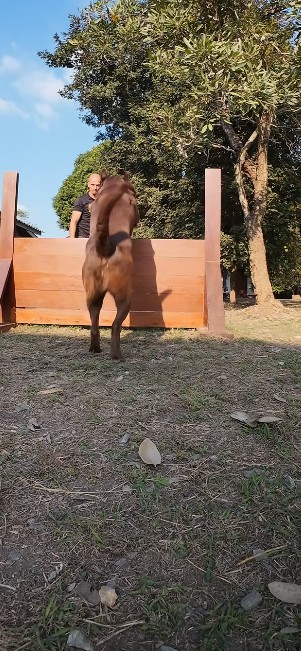
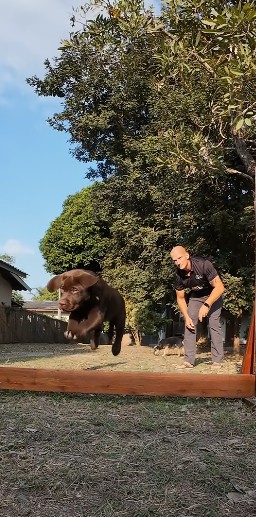
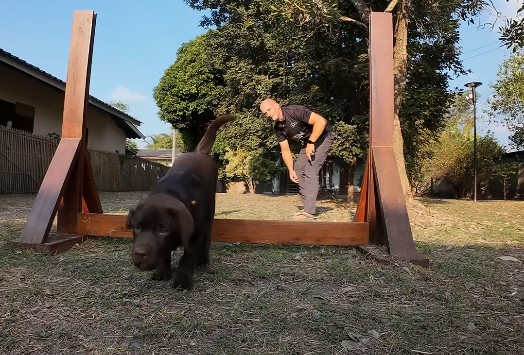
Calm follows containment. Gentle towel time, soft voice, and predictable rituals teach the body that safety returns not through running—but through your reassuring presence.
The Olfactory Identity Crisis
Perhaps no aspect of post-grooming reactivity is more fascinating than the olfactory dimension. Your dog’s relationship with scent runs far deeper than simple preference.
Natural scent serves multiple functions. It communicates identity to other dogs, conveying information about sex, reproductive status, emotional state, and individual identity. It provides social context, marking your dog as a member of your household pack, carrying traces of the environments they’ve explored and the beings they’ve contacted. Perhaps most intriguingly, it contributes to self-recognition and internal sense of identity.
When bathing strips away this scent layer and replaces it with artificial fragrances, your dog experiences genuine disorientation. They no longer smell like themselves. The secure sense of “this is me” has been altered. Other dogs may respond differently to them, approaching with uncertainty rather than recognition. Your dog may engage in intense sniffing of their own body, trying to make sense of these foreign odors.
What your dog’s natural scent communicates:
- Individual identity and recognition markers
- Pack membership and household affiliation
- Emotional state and stress levels
- Reproductive status and hormonal information
- Recent environmental exposure history
- Health status and physiological condition
- Age and developmental stage indicators
Scent restoration behaviors emerge as a natural response. Rolling on grass, particularly if it carries strong organic odors, helps re-deposit familiar environmental scents. Rubbing against furniture transfers household smells back onto the coat. Self-grooming with licking and nibbling represents an attempt to restore saliva-associated scents. Some dogs seek out items with strong odors, from dirty laundry to less savory discoveries in the yard, driven by the impulse to mask artificial fragrances with something more authentically “dog.”
The Soul Recall concept reminds us that memory and scent intertwine deeply. Familiar smells anchor dogs in their sense of self and place. When grooming disrupts this olfactory landscape, it creates a temporary disconnection that the dog instinctively seeks to repair.
🐕 Understanding Post-Grooming Hyperactivity in Dogs 🛁
Discover the fascinating science behind why your dog transforms into a zooming blur after bath time, and learn how to make grooming a calmer, more positive experience for both of you.
🧠 The Neurological Fundamentals
Sympathetic Rebound Effect
During grooming, your dog’s natural impulses are suppressed through restraint and forced stillness. Once released, the sympathetic nervous system surges back with intensity, creating those explosive “zoomies” as pent-up tension discharges through frantic physical activity.
Key Stress Indicators
• Cortisol remains elevated 30-120 minutes post-grooming
• Heart rate variability decreases during stress
• Sensory overload from tactile, auditory, and olfactory bombardment
• Autonomic dysregulation requires time to rebalance
🛠️ Stress-Reduction Practices
During Grooming
• Use co-regulated breathing to maintain calm energy
• Apply slow, predictable movements in hair-growth direction
• Work in short sessions with frequent breaks
• Maintain lukewarm water temperature (never too hot or cold)
• Provide choice whenever possible (stepping in vs. being lifted)
Post-Grooming Recovery
• Allow natural scent restoration through brief outdoor walks
• Offer calm feeding activities (lick mats, stuffed Kongs)
• Provide quiet retreat space for decompression
• Permit self-directed zoomies to discharge physical tension
• Avoid high-stimulation activities for 1-2 hours
📚 Building Positive Associations
Progressive Desensitization Protocol
Start by placing grooming tools in common areas paired with treats. Gradually increase exposure over 8-12 weeks, always working below your dog’s stress threshold. Touch tools to body briefly, then reward immediately. Only when your dog shows relaxed body language should you progress to the next step.
Cooperative Care Training
Teach your dog the “chin rest” behavior where they voluntarily place their chin on your hand or a surface. If they lift their chin, it signals they need a break. This transforms grooming from something done to your dog into a collaborative process built on trust and the Invisible Leash philosophy of awareness over force.
⚠️ Warning Signs of Escalating Fear
When to Seek Professional Help
Sensitization occurs when repeated exposure makes fear stronger, not weaker. Watch for:
• Hiding when grooming supplies appear
• Trembling before grooming begins
• Defensive growling or snapping (new behavior)
• Generalized touch avoidance in daily life
• Extended recovery time (3+ hours of stress behaviors)
These signs indicate your dog has exceeded their coping threshold. Consult a veterinary behaviorist or certified behavior consultant before fear becomes entrenched.
⚡ Quick Reference: The 3-Phase Grooming Framework
Before: Build positive associations through gradual tool introduction + high-value rewards
During: Maintain co-regulated breathing + predictable movements + frequent breaks below threshold
After: Support recovery through scent restoration + calm activities + quiet decompression time
Remember: Below-threshold experiences build trust; over-threshold experiences build fear.
🧡 The Zoeta Dogsoul Perspective
Grooming reactivity isn’t defiance or silliness—it’s your dog’s nervous system processing overwhelming sensory input and emotional challenge. When we recognize this truth, we naturally become more compassionate in our approach. Through the NeuroBond framework, we understand that emotional connection and co-regulation during handling reduces post-event arousal. The moments of Soul Recall when your dog seeks your calm presence afterward remind us that trust, once built through patient understanding, becomes the foundation for all future care experiences.
© Zoeta Dogsoul – Where neuroscience meets soul in dog training
When Grooming Creates Lasting Challenges
While most dogs recover quickly from post-grooming arousal, repeated negative experiences can create more persistent problems that compromise both welfare and the human-dog relationship.
Classical conditioning transforms neutral grooming elements into fear triggers. The bathroom door opening, the sight of towels, the sound of the dryer being plugged in, any of these previously meaningless stimuli can become predictors of discomfort. Once this association forms, your dog begins experiencing stress long before actual grooming begins, their body flooding with stress hormones in response to mere anticipation.
Warning signs grooming fear is escalating:
- Hiding or trying to escape when grooming supplies appear
- Trembling or panting before grooming even begins
- Refusal to enter the bathroom or grooming area
- Increased frequency or intensity of stress signals during sessions
- Defensive growling or snapping that wasn’t present before
- Generalized touch avoidance even during non-grooming interactions
- Extended recovery time with prolonged stress behaviors afterward
- Loss of appetite or gastrointestinal upset around grooming days
Sensitization occurs when repeated exposure to overwhelming experiences makes the response stronger rather than weaker. Instead of adapting to grooming, your dog becomes progressively more reactive. Each session reinforces the neural pathways associated with threat, making the fear response more automatic and intense. What began as mild discomfort escalates into genuine terror.
Generalized touch avoidance represents one of the most concerning outcomes. Dogs who have repeatedly exceeded their stress threshold during grooming may begin to avoid all forms of handling. They pull away when you reach to pet them, stiffen during veterinary examinations, or react defensively to necessary care like nail trimming or ear cleaning. The trust that allows dogs to accept vulnerable positioning and intimate handling has been eroded.
Defensive aggression can emerge when avoidance is impossible. Dogs who cannot escape an overwhelming situation may resort to aggressive displays, snapping, growling, or biting to create distance. This isn’t a moral failing; it’s a desperate self-protective response when all other options have been exhausted. Once this pattern begins, it becomes self-reinforcing because the aggression successfully ends the threatening situation, teaching the dog that this response works.
The development of these long-term challenges underscores the critical importance of getting grooming right from the beginning. Prevention is far easier than rehabilitation once fear and defensive behaviors have become established.
Grooming Techniques That Support Emotional Balance
Transforming grooming from a stress-inducing ordeal into a tolerable or even positive experience requires thoughtful attention to both technique and emotional state.
Building positive associations begins long before you need to bathe your dog. Introduce grooming tools gradually, allowing your dog to investigate them at their own pace. Pair their presence with high-value rewards, creating positive emotional responses to the sight and sound of brushes, clippers, and dryers. Practice handling exercises during calm moments, gently touching paws, ears, and tail while rewarding relaxation, building tolerance incrementally.
Steps to build positive grooming associations:
- Week 1-2: Place grooming tools in common areas, reward calm investigation
- Week 3-4: Touch tools to your dog’s body briefly, immediately reward
- Week 5-6: Turn on tools at a distance, pair sound with high-value treats
- Week 7-8: Brief tool use (one brush stroke, one clipper pass), jackpot rewards
- Week 9-10: Gradually increase duration while monitoring stress signals
- Week 11-12: Full grooming sessions with breaks and continuous reinforcement
Choice and predictability dramatically reduce stress. Whenever possible, allow your dog some control over the process. Can they choose to step into the tub rather than being lifted? Can you pause when they show signs of stress, resuming only when they settle? Establishing predictable routines helps too; when grooming follows consistent patterns, your dog knows what to expect, reducing the anxiety that comes from uncertainty.
The Invisible Leash philosophy applies beautifully to grooming. Rather than relying solely on physical restraint, you cultivate awareness and cooperation. When your dog understands through clear communication and trust that you won’t overwhelm them, they can remain present and engaged rather than shutting down or fighting to escape. This requires tuning into their signals, respecting their thresholds, and building the session on a foundation of willing participation rather than forced compliance.
Co-regulated breathing and calm touch activate the parasympathetic nervous system, the branch responsible for rest and recovery. When you approach grooming in a state of calm centeredness, maintaining slow, deep breaths and using gentle, intentional movements, your emotional state influences your dog’s. This neurobiological synchrony helps regulate their arousal, keeping them below threshold even during challenging portions of the grooming session.
Elements of stress-reducing grooming technique:
- Maintain your own calm breathing and centered emotional state
- Use slow, predictable movements telegraphing your intentions
- Apply gentle, steady pressure rather than light tickling touches
- Work in the direction of hair growth when possible
- Take frequent breaks allowing your dog to shake off and reset
- Maintain verbal reassurance in calm, low tones
- Watch for stress signals continuously and respond immediately
- End on a positive note even if the session isn’t fully complete
Temperature considerations matter more than many realize. Water that’s too hot or too cold triggers additional stress. Aim for lukewarm water that feels neutral against the skin. Avoid directing water spray into your dog’s face, ears, or eyes. Shield their head during rinsing to prevent water from entering sensitive areas.
Sectional grooming breaks the process into manageable pieces. Rather than attempting a full bath and groom in one marathon session, consider whether you can split tasks across multiple days. Perhaps brushing happens separately from bathing. Maybe nail trimming occurs during a calm evening rather than immediately after a bath. For highly sensitive dogs, this approach prevents overwhelming their capacity to cope.
Professional Grooming vs. Home Care
The environment and context in which grooming occurs significantly impacts your dog’s experience and subsequent reactivity.
Professional grooming salons present unique challenges. The space itself is unfamiliar, filled with novel sights, sounds, and smells. Other dogs may be present, some barking or displaying stress. The groomer, though skilled, is not your dog’s bonded human, lacking the history of trust that makes handling easier. Professional equipment, while effective, tends to be louder and more industrial than home tools.
The benefits include efficiency and expertise. Professional groomers complete tasks quickly, reducing total duration of stress exposure. They possess skills for safely handling difficult areas like nail trimming and expressing anal glands. For dogs who tolerate grooming reasonably well, professional care can be excellent.
Professional grooming advantages:
- Expertise in breed-specific cuts and styling
- Efficient completion reducing total stress duration
- Professional equipment for thorough cleaning and drying
- Skilled handling of difficult tasks like nail trimming
- Proper facilities with appropriate drainage and restraints
- Access to specialized products and tools
However, for anxious or reactive dogs, the salon environment may amplify stress. The combination of unfamiliar location, strange people, other distressed animals, and lack of control over pacing can push these dogs over threshold despite the groomer’s best efforts.
Owner-led home grooming offers significant advantages for sensitive dogs. The familiar environment reduces baseline stress. Your dog trusts you, making handling less threatening. You can work at your dog’s pace, taking breaks as needed, extending grooming across multiple sessions if helpful. The absence of other dogs eliminates social stress.
Home grooming advantages:
- Familiar environment reducing baseline anxiety
- Trusted human relationship foundation
- Flexibility to work at your dog’s individual pace
- Ability to split sessions across multiple days
- No exposure to other stressed or barking dogs
- Complete control over tool selection and techniques
The challenges include less efficient equipment, potentially extending duration. Many owners lack confidence in their skills, which dogs perceive and which can increase uncertainty. Some handling tasks, like nail trimming or rear-end grooming, feel more awkward for owners than professionals accustomed to these activities.
The optimal choice depends on your individual dog. Some dogs genuinely cope better in professional settings where efficiency minimizes duration. Others desperately need the emotional safety that only familiar environment and trusted humans provide. Observing your dog’s specific stress signals helps determine which approach serves them best.
Post-Grooming Recovery Protocols
What happens immediately after grooming matters as much as the grooming itself. Thoughtful recovery protocols help your dog’s nervous system reset more quickly and completely.
Scent restoration activities honor your dog’s olfactory needs. Rather than preventing them from rolling on grass, consider this a legitimate recovery behavior. A brief walk in a natural area allows them to encounter familiar outdoor scents and re-deposit some of their natural odor profile. Providing a blanket or toy that carries their pre-bath scent offers olfactory reassurance during the transition period.
Effective post-grooming recovery activities:
- Scent walk – Brief outdoor time in familiar territory for scent restoration
- Calm feeding – Lick mat or stuffed Kong to activate parasympathetic system
- Quiet retreat space – Comfortable area where dog can decompress undisturbed
- Gentle movement – Allow self-directed zoomies to discharge physical tension
- Physical connection – Calm petting or lying nearby for co-regulation
- Familiar scent items – Pre-bath bedding or toys for olfactory comfort
Calm feeding can support parasympathetic activation. The act of eating, particularly slow consumption of high-value foods like a stuffed Kong or lick mat with something tasty, stimulates the vagus nerve and promotes the “rest and digest” state. This helps counterbalance sympathetic arousal that drives restlessness.
Quiet space gives your dog the option to decompress without demands. Setting up a comfortable area where they can retreat, perhaps with soft bedding and dim lighting, respects their need to process the experience. Some dogs will sleep, allowing their nervous system to integrate and reset through rest. Others may simply lie quietly, their arousal gradually diminishing.
Gentle movement helps discharge physical tension. Rather than forcing stillness, allow your dog to engage in self-directed activity. The zoomies, while dramatic, serve a functional purpose. Once this burst of energy expends, your dog often settles more completely than they would have if prevented from this release.
Avoid immediate high-stimulation activities. This isn’t the moment for dog park visits, training sessions, or exciting play. Your dog’s stress response system is still elevated, threshold is lower than usual, and they’re more likely to become overstimulated or react inappropriately to normal stimuli. Keep the post-grooming period calm and predictable.
Connection and reassurance matter, but in a specific way. Your dog may seek proximity and touch after grooming, wanting physical contact that affirms safety and relationship. Quiet presence, gentle stroking, and calm attention provide this reassurance. However, avoid excessive excitement, high-pitched “comfort” talking, or treating your dog as fragile and traumatized. Your calm, matter-of-fact demeanor communicates that grooming, while not their favorite activity, is a normal part of life that they successfully navigated. 🧡
Desensitization and Counterconditioning for Anxious Dogs
For dogs who have developed significant grooming-related anxiety, systematic behavior modification offers hope for improvement.
Desensitization works by gradually exposing your dog to grooming-related stimuli at intensities low enough that they don’t trigger a fear response. You might begin by simply placing grooming tools in the room during play or feeding, creating neutral or positive associations with their presence. Over multiple sessions, you slowly increase proximity, duration, and intensity of exposure, always working below threshold.
Counterconditioning pairs the feared stimulus with something highly positive, typically exceptional food rewards. When your dog sees the brush, delicious treats appear. When the dryer turns on (initially at a distance and low volume), a jackpot of chicken materializes. Through repeated pairing, the emotional response to grooming stimuli shifts from fear toward positive anticipation.
Progressive desensitization protocol for grooming fear:
- Phase 1: Grooming tools visible in room, dog receives treats
- Phase 2: Touch tools without using them, immediate high-value rewards
- Phase 3: Brief tool contact with body (1-2 seconds), jackpot treats
- Phase 4: Longer tool contact (5-10 seconds), continuous treat stream
- Phase 5: Turn on tools at distance, pair sound with favorite activities
- Phase 6: Gradually move operating tools closer over multiple sessions
- Phase 7: Brief actual grooming (single brush stroke), massive reward
- Phase 8: Incrementally extend grooming duration with frequent reinforcement
The critical principle is working below threshold. If your dog shows stress signals, stiffening, whale eye, lip licking, yawning, raised hackles, or attempts to escape, you’ve progressed too quickly. Successful behavior modification requires patience, building new neural pathways gradually through consistent positive experiences rather than forcing your dog to “face their fears.”
Cooperative care training takes this further, teaching your dog specific behaviors that facilitate grooming while maintaining their sense of agency. The “chin rest” behavior, where your dog places their chin on your hand or a designated surface and holds still, gives them a clear job and a way to communicate willingness to continue. If they lift their chin, it signals they need a break. This simple technique transforms grooming from something done to your dog into a collaborative process.
For serious cases, professional help from a veterinary behaviorist or certified behavior consultant with expertise in fear and anxiety provides essential guidance. Some dogs benefit from anti-anxiety medication during behavior modification, reducing their baseline arousal enough that they can learn new, healthier responses.
The Bigger Picture: Grooming Within the Context of Relationship
Ultimately, how your dog experiences grooming reflects the broader quality of your relationship and your shared patterns of communication and trust.
The Zoeta Dogsoul framework reminds us that dogs are not merely bodies to be maintained but emotional beings whose inner experience matters profoundly. When we approach grooming with this awareness, recognizing that our dog’s reactivity stems from real sensory, physiological, and emotional challenges rather than defiance or silliness, we naturally become more thoughtful and compassionate in our methods.
Grooming becomes an opportunity to practice principles that strengthen your bond. You learn to read subtle stress signals, responding with support rather than pressure. You discover that giving your dog choice and control, even in small ways, builds trust and cooperation. You experience how your emotional state influences theirs, deepening your understanding of the interspecies connection you share.
Principles that transform grooming into relationship building:
- Reading and respecting your dog’s communication signals
- Providing choice and agency wherever possible
- Recognizing emotional state as the foundation of behavior
- Responding to stress with support rather than pressure
- Building trust through predictability and gentle handling
- Celebrating small successes and gradual progress
- Maintaining your own calm, centered presence
- Viewing grooming as partnership rather than management
Some dogs will always find grooming somewhat challenging. Their sensory sensitivities, temperament, or past experiences create genuine difficulty with these necessary care activities. Accepting this reality without judgment, working within your dog’s capacity, and prioritizing their emotional welfare over convenience or aesthetics defines responsible, loving guardianship.
Other dogs can learn to tolerate or even enjoy grooming aspects when the process honors their needs. Positive associations, predictable routines, respectful handling, and post-grooming support transform a potentially negative experience into one that, while not their favorite, remains manageable and doesn’t damage trust.
The goal isn’t to eliminate all signs of arousal after grooming; some activation is natural and healthy. Rather, you aim to keep experiences below the threshold where they become overwhelming, support efficient recovery, and prevent the development of long-term fear or avoidance. When you succeed in this, grooming becomes integrated into the rhythm of life with your dog, another dimension of the care and attention you provide, handled with the same thoughtfulness you bring to nutrition, exercise, and training. 🐾
That balance between meeting practical care needs and honoring your dog’s emotional reality represents the essence of Zoeta Dogsoul, the recognition that true partnership requires attending to both body and soul, science and sensitivity, structure and compassion.