

Introduction
Your dog’s behavior tells a story far deeper than simple wants and needs—it’s a window into their internal health that speaks volumes before physical symptoms ever appear. Did you know that subtle shifts in your furry friend’s daily patterns could signal developing illness weeks or even months before traditional diagnostic tests reveal any problems? This remarkable connection between behavior and health represents one of the most powerful tools we have for protecting our canine companions’ wellbeing.
Throughout history, dogs have evolved alongside humans, developing intricate ways to communicate their needs and discomfort. Yet despite this close bond, we often miss the earliest warning signs that something isn’t quite right. The waggle of a tail that’s slightly less enthusiastic, the morning stretch that takes just a moment longer, or the favorite toy that suddenly holds less appeal—these seemingly insignificant changes can be your dog’s first attempt to tell you they need help. Let us guide you through understanding this vital early-warning system that could make all the difference in your dog’s health journey.
Character & Behavior: Understanding Your Dog’s Baseline
Establishing Normal Patterns
Before you can recognize when something’s amiss, you need to intimately understand what “normal” looks like for your unique companion. Every dog has their own behavioral fingerprint—a distinctive pattern of activities, preferences, and responses that define their healthy state. This baseline becomes your reference point, your roadmap for detecting those crucial early changes that might otherwise slip by unnoticed.
Daily activity rhythms form the foundation of your dog’s behavioral profile. You might notice your Border Collie always does three spins before settling for the night, or your Golden Retriever unfailingly brings you a shoe when you return home. These aren’t just cute quirks—they’re health indicators. When these patterns shift, even subtly, your dog’s body might be signaling that something’s changing internally.
Key baseline behaviors to monitor:
- Morning routines: Wake-up time, stretching patterns, first elimination urgency, greeting enthusiasm
- Meal time behaviors: Eating speed, food preferences, water consumption patterns, post-meal activity
- Rest patterns: Preferred sleeping locations, position changes during rest, depth of sleep, dream activity
- Exercise responses: Warm-up needs, endurance levels, recovery time, post-exercise breathing
- Evening rituals: Settling routines, last bathroom needs, bedtime preferences, nighttime position changes
Social interaction preferences reveal another layer of wellness. Does your typically independent Shiba Inu suddenly become clingy? Has your velcro-dog Vizsla started seeking solitude? These shifts in social dynamics often precede illness by days or weeks, as dogs instinctively adjust their behavior to cope with internal discomfort or physiological stress.
Play and engagement levels serve as perhaps the most sensitive barometer of wellbeing. That tennis ball obsession, the evening zoomies, the gentle tug-of-war sessions—when these activities lose their appeal, it’s rarely about boredom. Research shows that systemic inflammation triggers “sickness behavior,” an adaptive response where the body conserves energy by reducing motivation and activity. Your dog isn’t being lazy; they’re redirecting resources to fight an internal battle you can’t yet see. 🐾
Individual Personality Factors
Understanding your dog’s unique temperament dramatically impacts how illness manifests behaviorally. Some dogs wear their hearts on their sleeves, while others maintain a brave face even when struggling—and knowing which type you have could be lifesaving.
Stoic versus sensitive breeds showcase vastly different illness presentations. Breeds historically selected for working through discomfort—think German Shepherds, Rottweilers, or Siberian Huskies—often mask early illness signs with remarkable effectiveness. These stoic souls might continue their daily routines even while experiencing significant internal changes. Meanwhile, sensitive breeds like Cavalier King Charles Spaniels or Italian Greyhounds might display dramatic behavioral shifts at the first hint of discomfort. Neither approach is better or worse; they simply require different observation strategies from you.
Age-related behavioral evolution adds another dimension to this complex picture. Senior dogs often show whisper-quiet precursors to illness—a slightly longer pause before jumping on the couch, a moment’s hesitation before tackling stairs. These changes creep in so gradually that we often dismiss them as “just getting older.” Yet research in neurodegenerative conditions reveals that subtle behavioral shifts can precede clinical diagnosis by months or even years. That “normal aging” might actually be early arthritis, cognitive dysfunction, or metabolic changes crying out for intervention.
Individual coping mechanisms determine whether your dog withdraws into quiet suffering or becomes irritable when unwell. Some dogs become velcro-pets, seeking constant comfort and reassurance. Others retreat to hidden corners, following ancient instincts to hide vulnerability. Still others might display increased reactivity or aggression—not from meanness, but from pain-driven defensive responses. Recognizing your dog’s unique coping style transforms you from concerned owner to health detective. 🧠
Early Warning Signs: The Subtle Symphony of Sickness
Physical Behavior Changes
The body speaks before symptoms shout, and learning to hear these whispers can mean the difference between early intervention and crisis management. Physical behavior changes often represent the first observable manifestations of internal physiological shifts, long before laboratory values show abnormalities.
Sleep pattern disruptions offer profound insights into neurological and systemic health. When your dog starts moving restlessly during sleep, vocalizing in dreams, or struggling with sleep-wake cycles, it’s not just bad dreams. Research reveals that REM sleep behavior disorder—characterized by loss of normal muscle relaxation during dreams—can signal emerging neurodegenerative conditions. That midnight pacing or sudden sleep aggression might be your first clue that brain chemistry is shifting. These changes reflect alterations in neurotransmitter balance, particularly in systems governing sleep regulation and arousal.
Critical sleep changes requiring veterinary attention:
- New onset of sleep vocalization: Whimpering, barking, or growling during previously quiet sleep
- Physical movement during dreams: Running motions, aggressive movements, or falling out of bed
- Disrupted sleep-wake cycles: Increased daytime sleeping combined with nighttime restlessness
- Position changes: Inability to get comfortable, frequent repositioning, or new sleeping postures
- Breathing alterations: Snoring changes, sleep apnea episodes, or labored breathing when resting
Appetite and drinking changes represent the body’s attempt to maintain homeostasis despite internal challenges. A dog who suddenly becomes picky about their favorite food isn’t being difficult—they might be experiencing nausea from early kidney disease, dental pain, or gastrointestinal inflammation. Increased water consumption, easily dismissed as “just thirsty,” could signal diabetes, kidney dysfunction, or hormonal imbalances. The gut-brain axis, that bidirectional communication highway between digestive and nervous systems, means that even subtle GI discomfort can manifest as anxiety or irritability before any vomiting or diarrhea appears.
Movement and posture alterations reveal musculoskeletal and neurological changes invisible to standard examination. Notice how your dog shifts weight while standing? That subtle lean might indicate early hip dysplasia or cruciate ligament strain. The way they lower their head while walking could suggest neck pain or vestibular changes. Even something as simple as reluctance to shake after getting wet can signal developing arthritis or muscle strain. These compensatory movements represent your dog’s remarkable ability to adapt—but they’re also crying out for help.
Emotional and Social Shifts
The emotional landscape of illness extends far beyond simple discomfort, encompassing complex neurobiological changes that fundamentally alter how your dog experiences and interacts with their world. These shifts often precede physical symptoms by weeks, offering a crucial window for early intervention.
Withdrawal and isolation behaviors represent more than simple preference changes—they’re neurologically driven responses to systemic inflammation and pain. When chronic stress triggers neuroinflammatory cascades, releasing cytokines and chemokines throughout the body, your dog’s brain chemistry literally changes. The resulting alterations in limbic system connectivity affect emotional processing, making normal interactions feel overwhelming. Your social butterfly isn’t suddenly antisocial; their nervous system is redirecting resources toward healing.
Increased anxiety or reactivity often signals underlying physiological distress. Chronic activation of the hypothalamic-pituitary-adrenal (HPA) axis—your dog’s stress response system—leads to sustained elevations in cortisol and other stress hormones. These hormonal shifts don’t just affect mood; they physically alter brain structure and function, particularly in areas governing fear responses and emotional regulation. That sudden fear of thunderstorms or increased reactivity to doorbell sounds might actually indicate systemic inflammation, hormonal imbalances, or early cognitive changes.
Changes in attachment patterns reveal the profound impact of illness on social bonding. A typically independent dog becoming clingy might be seeking comfort from pain or nausea. Conversely, a usually affectionate dog avoiding contact could be protecting painful areas or experiencing sensory hypersensitivity. These attachment shifts reflect alterations in oxytocin and dopamine systems—the very neurotransmitters that govern bonding and reward. Understanding these changes helps you provide the right type of support without overwhelming your struggling companion. 🧡

Neurobiology & Physiology: The Hidden Orchestra of Illness
The Inflammation-Behavior Connection
Beneath every behavioral change lies a complex cascade of physiological events, with inflammation serving as the master conductor of this hidden orchestra. Understanding these mechanisms transforms mysterious behavior changes into logical, predictable patterns we can recognize and address.
Systemic inflammation’s behavioral impact extends far beyond the site of injury or infection. When your dog’s immune system activates, it releases inflammatory mediators like tumor necrosis factor-alpha (TNF-α) and interleukins throughout the body. These molecules don’t just fight pathogens—they cross the blood-brain barrier and directly alter neurotransmitter production, receptor sensitivity, and neural communication. This explains why a dog with early arthritis might show depression or anxiety before limping becomes apparent. The inflammation speaks to the brain before it speaks to you.
Microglial activation and chronic pain represent a critical transition point from acute discomfort to persistent behavioral changes. Microglia, the brain’s immune cells, become sensitized during chronic stress or illness, maintaining inflammatory responses long after the initial trigger resolves. This sustained activation creates a state of central sensitization, where normal sensations become painful and emotional responses become exaggerated. Your dog isn’t overreacting—their nervous system has literally rewired itself to amplify distress signals.
The gut-brain axis revolution has transformed our understanding of how digestive health influences behavior. The bidirectional communication between gut and brain means that intestinal inflammation, dysbiosis, or even food sensitivities can manifest as anxiety, irritability, or cognitive changes. Those recurring “behavioral problems” might actually stem from gastrointestinal issues that haven’t yet produced obvious digestive symptoms. The millions of neurons in your dog’s gut—often called the “second brain”—directly influence mood, pain perception, and stress responses through vagal nerve connections and circulating metabolites.
Hormonal and Neurotransmitter Disruptions
The delicate balance of hormones and neurotransmitters orchestrates every aspect of your dog’s behavior, from motivation to mood to movement. When illness disrupts this balance, behavioral changes become the first visible signs of internal chaos.
Cortisol and the stress response cascade fundamentally alter how your dog processes and responds to their environment. Chronic elevation of glucocorticoids doesn’t just indicate stress—it actively damages hippocampal neurons responsible for memory and emotional regulation. This explains why stressed or ill dogs often show cognitive changes, increased anxiety, and altered learning abilities. The feedback loops that normally regulate cortisol production become dysregulated, creating a self-perpetuating cycle of physiological and behavioral dysfunction.
Serotonin system alterations profoundly impact mood, appetite, and pain perception. This “happiness neurotransmitter” doesn’t just influence emotional state—it modulates gut motility, immune function, and inflammatory responses. When illness disrupts serotonin signaling, dogs might show seemingly unrelated symptoms: anxiety, altered appetite, digestive issues, and changed pain sensitivity. These aren’t separate problems but different manifestations of the same underlying neurotransmitter imbalance.
Dopamine dysfunction and motivation explains why illness often first appears as reduced enthusiasm for previously loved activities. Dopamine drives reward-seeking behavior, motor control, and cognitive function. When inflammatory processes or metabolic changes disrupt dopamine signaling, your ball-obsessed Labrador might suddenly show disinterest in fetch—not from laziness, but from fundamental alterations in reward processing. This neurotransmitter disruption often precedes visible physical symptoms by weeks or months, offering a crucial early warning sign for conditions ranging from hypothyroidism to early cognitive dysfunction.
Recognition & Response: Becoming Your Dog’s Health Detective
Reading the Subtle Signs
Developing the observational skills to detect early illness requires shifting from passive pet owner to active health detective. This means understanding not just what to look for, but how to interpret the complex patterns your dog presents.
Pattern recognition over single incidents forms the foundation of effective health monitoring. One skipped meal doesn’t indicate illness, but a pattern of decreasing enthusiasm at dinner time does. One restless night might mean nothing, but progressively disrupted sleep patterns demand attention. Training yourself to notice trends rather than isolated events transforms you into your dog’s most powerful diagnostic tool. Keep a simple log—even just notes on your phone—tracking appetite, energy, elimination, and mood. Patterns invisible in daily life become crystal clear when documented over weeks.
Context-dependent interpretation acknowledges that behavioral changes must be evaluated within your dog’s complete life picture. Did you recently move homes? Change foods? Add a new family member? These environmental factors can trigger behavioral shifts that mimic illness. However, if your dog’s routine remains stable but their behavior changes, those shifts carry more diagnostic weight. This contextual awareness helps you distinguish between adaptive responses to life changes and genuine health concerns.
Multi-modal observation strategies recognize that illness rarely affects just one behavioral domain. When you notice one change, actively look for others. Is that decreased appetite accompanied by slightly labored breathing? Does that morning stiffness correlate with increased nighttime restlessness? These behavioral clusters provide far more information than isolated symptoms. Think of yourself as assembling a behavioral puzzle—each piece alone might seem insignificant, but together they reveal the complete picture of your dog’s health status. 🐾
Owner Perception Pitfalls
Understanding common misinterpretation patterns helps you avoid the delays that often prevent early intervention. These perceptual biases aren’t character flaws—they’re natural human tendencies that, once recognized, can be overcome.
The “just getting older” trap perhaps causes more delayed diagnoses than any other misconception. Yes, aging brings natural changes, but suffering isn’t a necessary part of growing older. That slower morning rise might indicate manageable arthritis, not inevitable decline. The occasional confusion could signal treatable cognitive dysfunction, not unavoidable senility. When we attribute every change to age, we rob our senior dogs of interventions that could dramatically improve their quality of life. Remember: age is not a disease, and many “age-related” changes are actually treatable conditions masquerading as normal aging.
Common misattributed “aging” signs that warrant investigation:
- Mobility changes: Stiffness, reluctance to jump, difficulty rising, altered gait patterns
- Cognitive shifts: Disorientation, starring at walls, getting stuck in corners, changed sleep cycles
- Sensory decline: Seeming to ignore commands (hearing loss), bumping into things (vision loss)
- Bathroom accidents: Loss of house training, increased frequency, urgency changes
- Social alterations: Increased irritability, decreased interaction, personality changes
- Activity reduction: Less interest in play, shorter walks, extended recovery times
Anthropomorphizing versus understanding creates another barrier to accurate health assessment. When we project human motivations onto canine behavior—”he’s mad at me,” “she’s being stubborn,” “he’s jealous of the new puppy”—we miss the physiological drivers behind behavioral changes. Your dog isn’t refusing walks out of spite; they might be experiencing exercise intolerance from early heart disease. They’re not ignoring commands from defiance; they might have hearing loss or cognitive changes. Stepping back from emotional interpretations allows you to see behavioral changes for what they truly are: communication about internal states.
Normalizing dysfunction happens gradually as we unconsciously adjust our expectations to match our dog’s declining function. When changes occur slowly, we adapt without realizing it. We stop throwing the ball as far without noticing our dog’s reduced stamina. We automatically help them onto the couch without recognizing their jumping difficulty. This gradual normalization means that by the time we seek veterinary care, significant disease progression has already occurred. Regular “status checks”—consciously evaluating your dog’s abilities against past performance—helps combat this insidious tendency.
Silent. Subtle. Significant.
Behavior whispers before the body shouts. Tiny shifts in daily patterns—less joy in play, slower morning stretches, unusual solitude—can signal illness long before obvious symptoms appear. Attuned observation turns companionship into early detection.
Every dog carries a unique fingerprint of normal. Quirks, routines, and social habits form the baseline that defines health. When these rhythms change, even slightly, the body may be sending its first quiet alarms.


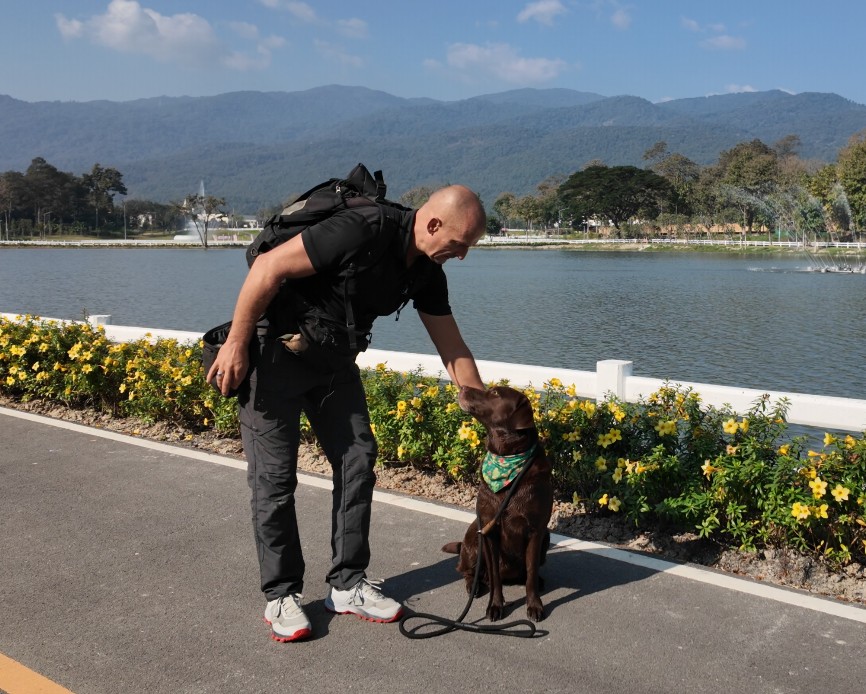
Personality shapes how illness reveals itself. Stoic breeds mask pain, sensitive ones show it quickly, and seniors whisper through gradual change. Knowing your dog’s style of expression is the key to hearing their earliest calls for help.
Breed and Age Considerations: Tailoring Your Vigilance
Breed-Specific Manifestations
Genetic heritage profoundly influences how illness manifests behaviorally, making breed awareness crucial for early detection. Your dog’s ancestry doesn’t just determine appearance—it shapes how their body responds to and communicates distress.
Working breed stoicism presents unique challenges for illness detection. Breeds developed for persistence through discomfort—Border Collies, German Shepherds, Labrador Retrievers—often maintain normal behavior despite significant internal changes. These dogs might continue herding, retrieving, or guarding even while experiencing pain that would sideline other breeds. For these stoic souls, watch for subtle efficiency changes: slightly modified movement patterns, microsecond hesitations before tasks, or barely perceptible shifts in enthusiasm. Their “tell” often lies not in what they stop doing, but in how they adapt their doing.
Companion breed sensitivity offers different diagnostic opportunities. Breeds selected for close human bonding—Cavalier King Charles Spaniels, Havanese, French Bulldogs—often display dramatic behavioral changes with even minor discomfort. While this sensitivity might seem problematic, it actually provides earlier warning signs if you know how to interpret them. That seemingly dramatic reaction to mild discomfort isn’t weakness—it’s valuable health communication. These breeds often show illness through attachment changes, vocalization patterns, and social behavior modifications long before physical symptoms appear.
Breed-specific disease patterns inform what behavioral changes carry the most diagnostic weight. Dobermans developing dilated cardiomyopathy might first show exercise intolerance disguised as training resistance. Boxers with early cancer might display subtle personality changes before any lumps appear. German Shepherds developing degenerative myelopathy might show coordination changes during play before obvious mobility issues emerge. Understanding your breed’s predispositions helps you recognize which behavioral changes deserve immediate attention versus monitoring.
Age-Related Progressions
Age doesn’t just influence what diseases develop—it fundamentally changes how illness manifests behaviorally. Understanding these age-related patterns transforms you from reactive to proactive in your dog’s healthcare journey.
Puppy and adolescent indicators often masquerade as training issues or “teenage rebellion.” That house-training regression might signal urinary tract infection, not defiance. Sudden destructiveness could indicate gastrointestinal discomfort, not boredom. Young dogs experiencing illness often show exaggerated behavioral responses—hyperactivity from discomfort, excessive sleeping from systemic infection, or irritability from growth-related pain. Their still-developing nervous systems mean that illness creates more dramatic behavioral disruptions than in adult dogs. Don’t dismiss dramatic behavior changes as “just a phase”—young dogs are actually more likely to show clear behavioral indicators of illness.
Adult maintenance signals require attention to performance changes rather than capability changes. Adult dogs in their prime rarely show dramatic behavioral shifts without significant underlying causes. Watch for efficiency changes: taking longer to recover from exercise, subtle modifications in jumping technique, or decreased enthusiasm for activities they still physically perform. These dogs are masters of compensation, adapting their behavior to maintain function despite developing issues. Your job is to notice not whether they can still do things, but how the doing has changed.
Senior sophistication in illness presentation demands the highest level of observational skill. Older dogs often show whisper-quiet behavioral changes that accumulate into significant dysfunction. The cognitive changes of canine cognitive dysfunction begin with subtle sleep-wake cycle alterations years before obvious confusion appears. Early kidney disease might manifest as slightly increased nighttime restlessness months before blood work shows changes. These dogs have spent a lifetime adapting to physical changes, making their behavioral modifications incredibly subtle. Success here requires tracking tiny changes over time—the barely longer pause before lying down, the slightly modified eating position, the almost imperceptible decrease in greeting enthusiasm. 🧠
Practical Applications: From Recognition to Action
Home Monitoring Strategies
Transforming observation into action requires systematic approaches that capture subtle changes before they become crises. These strategies turn your daily interactions into powerful diagnostic opportunities.
Behavioral journaling techniques provide objective documentation of subjective observations. Create simple daily ratings for key behaviors: appetite (1-10), energy (1-10), mood (1-10), and any unusual observations. This quantification reveals trends invisible in moment-to-moment living. Weekly review of these logs often shows patterns you’d never notice otherwise—that energy level dropping from 8s to 6s over a month, those mood scores consistently lower on certain days. Modern apps can streamline this process, but even a simple notebook works brilliantly. The key is consistency, not complexity.
Video documentation power captures nuances memory misses. Monthly videos of your dog walking, playing, and resting create an objective baseline for comparison. When you’re concerned about changes, comparing current behavior to videos from six months ago provides startling clarity. Film from consistent angles during consistent activities—the morning walk, dinner time, favorite play session. These videos become invaluable when discussing concerns with your veterinarian, providing objective evidence of subjective concerns.
Environmental modification as diagnostic tool uses your dog’s choices to reveal internal states. Provide options and observe preferences: stairs versus ramp, hard floor versus soft bed, high bowl versus low bowl. Changes in these preferences often indicate developing physical issues. A dog suddenly avoiding hardwood floors might be experiencing proprioceptive changes. New preference for elevated sleeping might indicate respiratory or cardiac changes. Your home becomes a diagnostic laboratory when you observe how your dog navigates choice.
Technology and Innovation
Modern technology offers unprecedented opportunities for early illness detection, transforming reactive veterinary care into proactive health management. These tools don’t replace your observation—they amplify and quantify it.
Wearable device insights provide continuous, objective monitoring of previously unmeasurable parameters. Modern pet activity trackers don’t just count steps—they analyze sleep quality, respiratory rate, and activity patterns. Subtle changes in these metrics often precede visible symptoms by weeks. That 15% decrease in deep sleep or 10% increase in resting respiratory rate might seem insignificant, but could signal developing cardiac or respiratory disease. These devices excel at detecting gradual changes that escape human perception, providing early warning systems for various conditions.
AI-powered pattern recognition transforms raw behavioral data into actionable health insights. Machine learning algorithms can identify patterns in activity, sleep, and behavior that predict illness before traditional symptoms appear. These systems learn your dog’s individual baseline and alert you to statistically significant deviations. While technology shouldn’t replace your intuition, it provides powerful validation when you sense something’s wrong but can’t articulate what. The future of veterinary medicine increasingly relies on these predictive models to enable intervention before disease progresses.
Digital veterinary integration bridges the gap between home observation and professional assessment. Telemedicine platforms allow you to share behavioral videos, activity data, and symptom logs directly with your veterinary team. This continuous connection means concerns can be evaluated quickly, potentially catching issues that might otherwise wait until the next scheduled appointment. Some platforms now offer AI-assisted triage, helping determine whether behavioral changes warrant immediate attention or monitoring. This integration transforms veterinary care from episodic crisis management to continuous health partnership.
Working with Professionals
Maximizing the value of professional relationships requires strategic communication and collaborative approaches to your dog’s health. Your observations provide crucial information that laboratory tests can’t capture.
Effective veterinary communication transforms vague concerns into actionable medical information. Instead of saying “he seems off,” provide specific observations: “Over the past two weeks, he takes three seconds longer to rise from lying down, hesitates before jumping into the car, and his morning greeting enthusiasm has decreased from tail-wagging to just tail-lifting.” Bring your behavioral logs, videos, and specific examples. Veterinarians rely on your observations to guide their examination and diagnostic planning. The more precise your communication, the more targeted their investigation.
Essential information to document for your vet:
- Timeline details: When changes started, progression speed, triggering events, pattern of occurrence
- Specific examples: Exact behaviors observed, frequency of occurrence, environmental contexts
- Comparison points: How current behavior differs from baseline, percentage changes in activity
- Failed interventions: What you’ve tried, what helped, what made things worse
- Associated changes: Appetite alterations, bathroom changes, sleep disruptions, social modifications
- Video evidence: Short clips showing concerning behaviors, gait changes, or episodes
- Pattern observations: Time of day correlations, weather associations, activity relationships
Trainer collaboration benefits extend beyond behavior modification to health monitoring. Professional trainers often notice subtle changes owners miss—slight gait alterations, modified jumping techniques, or concentration changes during training. Establish communication channels between your trainer and veterinarian. Many “training problems” have medical causes, and trainers trained in medical red flags can facilitate early veterinary referral. This collaborative approach ensures behavioral changes receive appropriate evaluation regardless of who first observes them.
Integrative team approaches recognize that your dog’s health involves multiple perspectives and expertise areas. Your team might include your primary veterinarian, veterinary specialists, certified trainers, rehabilitation therapists, and even groomers who notice physical changes during handling. Creating communication pathways between these professionals ensures that observations from different contexts combine into a complete health picture. This network becomes particularly valuable for complex cases where behavioral changes might have multiple contributing factors. Remember: you’re the hub of this network, coordinating information flow and ensuring everyone stays informed about your dog’s status. 🐾
Prevention & Proactive Care: Building Resilience
Establishing Baselines
Creating comprehensive behavioral baselines during health provides your most powerful tool for detecting future changes. This proactive approach transforms you from emergency responder to health guardian.
Monthly wellness check behaviors to track:
- Physical capabilities: Jumping height, walking distance tolerance, stair navigation ease, play endurance
- Response times: Coming when called, treat motivation, toy engagement, training focus
- Social behaviors: Greeting enthusiasm, interaction with other pets, stranger responses, handling tolerance
- Comfort indicators: Stretching frequency, position preferences, grooming acceptance, touch sensitivity
- Cognitive function: Problem-solving speed, command memory, navigation ability, routine recognition
Comprehensive behavioral assessment goes beyond casual observation to systematic evaluation of your dog’s complete behavioral repertoire. Document their normal response to common situations: greeting strangers, encountering other dogs, navigating stairs, responding to grooming. Record typical recovery time from exercise, normal sleep positions, and preferred resting locations. Include subtle behaviors: how they shake after getting wet, their method of scratching, their typical stretching routine. This detailed baseline becomes invaluable when illness creates subtle modifications to these ingrained patterns.
Regular wellness benchmarking involves periodic formal assessment of your dog’s capabilities and preferences. Every three months, conduct a standardized evaluation: time how long they take to eat, measure how far they can comfortably walk, assess their jumping height, test their response time to commands. These objective measures reveal gradual changes that subjective observation might miss. Think of it as your dog’s performance review—not to judge, but to track. These benchmarks often reveal developing issues months before they’d otherwise be noticed.
Life stage transition planning acknowledges that normal behavior evolves with age and prepares you to distinguish expected changes from concerning ones. Before your dog enters each life stage, research typical changes: when do puppies normally calm down, when should adult dogs show subtle aging signs, what changes are normal in senior dogs? This knowledge prevents both over-reaction to normal development and under-reaction to genuine problems. Create adjusted baselines as your dog transitions through life stages, ensuring your expectations align with healthy aging rather than hidden illness.
Building Observational Skills
Developing expertise in behavioral observation requires deliberate practice and systematic skill building. These abilities aren’t innate—they’re learned and refined through conscious effort.
Mindful interaction practices transform routine activities into diagnostic opportunities. During daily activities—feeding, walking, playing—practice present-moment awareness. Notice how your dog moves, breathes, responds. Does their breathing change after mild exercise? How do they position themselves while eating? What’s their tail position during different activities? This mindful approach reveals patterns and changes that distracted interaction misses. Set aside just five minutes daily for pure observation without interaction, watching your dog’s natural behavior when they think they’re unobserved.
Progressive observation challenges systematically build your detection abilities. Start by tracking one behavior for a week—perhaps morning greeting enthusiasm. Once comfortable, add another parameter. Gradually build complexity until you’re naturally observing multiple behavioral dimensions simultaneously. Challenge yourself to predict your dog’s behavior in specific situations, then observe whether reality matches prediction. Discrepancies often reveal subtle changes you hadn’t consciously noticed. This deliberate practice transforms observation from passive watching to active analysis.
Community learning opportunities accelerate skill development through shared experience. Join breed-specific groups where members share behavioral observations and health experiences. Participate in training classes where you can observe other dogs and discuss behavioral patterns with experienced handlers. Online forums focused on canine health provide countless examples of how behavioral changes preceded diagnoses. Learning from others’ experiences helps you recognize patterns you might not otherwise connect to health issues. This community wisdom supplements professional guidance and personal observation, creating a rich knowledge base for protecting your dog’s health.
Conclusion: Your Dog’s Health Guardian
The journey from casual pet owner to skilled health observer transforms not just how you see your dog, but how effectively you can advocate for their wellbeing. Every behavioral change tells a story—sometimes of simple preference shifts, sometimes of profound internal struggles seeking recognition and relief. Your ability to distinguish between these narratives could literally save your dog’s life.
Remember that becoming fluent in your dog’s behavioral language is a gradual process requiring patience, practice, and self-compassion. You won’t catch every sign immediately, and that’s okay. What matters is developing increasingly sophisticated observation skills and trusting your instincts when something feels different. That nagging sense that “something’s not quite right” deserves investigation, even when you can’t articulate specific concerns. Your intuition, combined with systematic observation and professional collaboration, creates a powerful early warning system that no laboratory test can match.
Is this approach right for you? If you’re ready to become your dog’s primary health advocate, to see beyond surface behaviors to underlying wellbeing, and to partner with professionals in proactive rather than reactive care, then yes. This journey requires commitment but offers profound rewards: deeper bonding with your dog, earlier problem detection, and the peace of mind that comes from knowing you’re providing the best possible care. Your dog already speaks this behavioral language fluently—they’re just waiting for you to learn to listen. Start today with simple observation, build your skills gradually, and celebrate the deepening understanding that emerges. Your furry friend’s health story is being written every day through their behavior, and you now have the tools to read, understand, and respond to every important chapter. 🧡










