Introduction: Understanding Your Travel Companion’s Needs
The open road calls, and your furry friend’s tail wags with anticipation—or perhaps trembles with uncertainty. Traveling with dogs has evolved from a simple necessity into an art form that requires understanding, preparation, and compassion. Whether you’re planning a cross-country adventure or navigating daily commutes with your canine companion, the journey matters just as much as the destination.
Did you know that over 60% of dogs experience some form of travel-related stress? This isn’t just about motion sickness or a nervous whimper. Your dog’s response to travel involves complex neurobiological mechanisms, shaped by early experiences and influenced by everything from the vibration beneath their paws to the calming presence of your hand on their head. Let us guide you through the science and heart of ensuring every journey with your four-legged friend becomes an opportunity for bonding rather than a source of stress.
Character & Behavior: Recognizing Your Dog’s Travel Personality
Understanding Individual Stress Responses
Every dog tells a unique story through their behavior, and travel brings out distinct personality traits you might not see at home. Your normally confident retriever might become a trembling leaf in the car, while your typically anxious terrier might surprise you with road-trip enthusiasm. These responses aren’t random—they’re deeply rooted in your dog’s neurobiological makeup and life experiences.
Common stress indicators during travel include:
- Excessive panting (even in cool temperatures)
- Whining or vocalization patterns
- Lip licking and repetitive yawning
- Drooling beyond normal levels
- Pacing or inability to settle
- Trembling or muscle tension
Understanding these signals means you’re already halfway to helping your companion. Research shows that dogs exhibiting these behaviors experience elevated cortisol levels—their stress hormone—which can remain elevated for hours after a journey ends. But here’s the encouraging part: recognizing these signs early allows for targeted interventions that can transform your dog’s travel experience.
The Early Experience Factor
Your puppy’s first car ride shapes more than just a memory—it creates neural pathways that influence travel tolerance throughout their life. Dogs who experience positive, gradual exposure to travel during their critical socialization period (3-14 weeks) develop what researchers call “behavioral plasticity.” This means they’re better equipped to adapt to novel situations, including different modes of transport.
Think of it like this: a puppy who associates car rides with visits to the park develops positive neural connections around travel. Conversely, if their only car experiences involve vet visits during their fear period, they might develop lasting travel anxiety. The good news? Even adult dogs can rewire these associations through patient, positive training—though it requires more time and consistency than early puppyhood interventions.
Breed-Specific Considerations
While individual personality trumps breed generalizations, certain breed characteristics can influence travel tolerance. Herding breeds like Border Collies might feel stressed by the inability to control their environment during travel. Brachycephalic breeds (think Bulldogs and Pugs) face additional challenges with temperature regulation and breathing during transport. Small breeds often experience more pronounced motion effects due to their size, while giant breeds might struggle with confined spaces.
Understanding your dog’s breed tendencies helps you anticipate needs without limiting expectations. That anxious Shepherd can become a confident traveler, and that motion-sick Yorkie can learn to love road trips—with the right approach. 🐾
Vocalization & Communication: How Your Dog “Talks” During Travel
Decoding Travel Vocalizations
Your dog’s travel soundtrack tells a story worth listening to. That high-pitched whine isn’t just noise—it’s communication with specific neurological underpinnings. Different vocalizations activate distinct brain regions, and understanding this helps you respond appropriately.
The vocalization spectrum includes:
- Whining: Often indicates anxiety or anticipation, activating the amygdala (fear center)
- Barking: Can signal excitement, warning, or frustration, involving multiple brain regions
- Howling: Less common during travel, but may indicate separation distress
- Grumbling/low vocalizations: Often self-soothing behaviors
When your Corgi produces that distinctive “aroo” during car rides, they’re not being dramatic—they’re processing complex emotions through vocalization. Studies show that dogs who vocalize moderately during travel often cope better than those who remain completely silent, as vocalization serves as a pressure release valve for emotional arousal.
Body Language in Motion
Reading your dog’s body language while driving requires peripheral awareness, but certain signals demand attention. A dog pressing themselves against the car door might be seeking stability, not trying to escape. The position of their tail—even when they’re lying down—communicates volumes about their emotional state.
Watch for these subtle communications:
- Ears pinned back (anxiety) versus alert forward (engagement)
- Rigid body posture versus relaxed sprawling
- Eye contact seeking (need for reassurance) versus avoidance (overwhelm)
- Paw placement and weight distribution
Your response to these signals matters immensely. A calm “good dog” when they settle, or a gentle hand during a fearful moment, teaches them that communication works—strengthening your bond while reducing their stress.
Creating Positive Communication Patterns
Transform travel communication from stress signals to adventure anticipation by establishing positive verbal cues. Use specific phrases consistently: “car time” for entering the vehicle, “almost there” as you approach destinations, and “good traveler” for calm behavior. This linguistic framework gives your dog predictability in an otherwise unpredictable situation.
The magic happens when your dog starts offering calming signals proactively—a play bow before entering the car, a relaxed yawn once settled, or that trusting look that says, “I know we’re okay because you’re here.” These positive communication loops reduce cortisol production and increase oxytocin—the bonding hormone—in both you and your dog. 🧡
Training & Education: Building Travel Confidence
The Neuroscience of Travel Training
Training your dog for comfortable travel goes beyond basic commands—it’s about reshaping neural pathways and creating positive associations at the cellular level. When you practice travel training, you’re literally changing your dog’s brain chemistry. Each positive experience increases dopamine production, making future travels progressively easier.
The graduated exposure protocol:
- Stationary car comfort (engine off): 5-10 minutes daily
- Engine running (no movement): 3-5 minutes with treats
- Driveway movement: Brief backing up and returning
- Short loops: Around the block with positive destination
- Extended journeys: Gradually increasing duration
This isn’t just desensitization—it’s neuroplasticity in action. Your dog’s hippocampus (memory center) begins associating car-related stimuli with positive outcomes rather than stress responses. The key? Keeping each session below their stress threshold, where learning can occur without triggering fight-or-flight responses.
Crate Training for Travel Success
A properly introduced travel crate becomes your dog’s mobile sanctuary. The confined space actually reduces anxiety for many dogs by limiting sensory input and providing proprioceptive feedback (body awareness that calms the nervous system). Think of it as a weighted blanket effect—the gentle pressure against their body activates the parasympathetic nervous system, promoting calm.
Start crate training at home, making it the best spot in the house. Feed meals there, hide special toys inside, and create positive associations long before travel day. When the crate moves to the car, it brings all those positive associations with it. Your dog isn’t just in a crate—they’re in their personal comfort zone that happens to be mobile.
Addressing Motion Sensitivity
Motion sickness in dogs involves the vestibular system, just like in humans, but with an added complexity: dogs can develop anticipatory nausea. Their incredible associative memory means they might feel queasy just seeing the car keys. This psychosomatic response requires a two-pronged approach.
Physical interventions:
- Face forward positioning (reduces vestibular confusion)
- Fresh air circulation (prevents stale air accumulation)
- Visual horizon access (helps brain process movement)
- Empty stomach or light meal timing (2-3 hours before travel)
Psychological interventions:
- Counterconditioning with high-value treats
- Gradual exposure to motion
- Positive destination associations
- Calming supplements (L-tryptophan, CBD under veterinary guidance)
Remember, motion sickness often improves with age as the vestibular system matures. Puppies who get carsick frequently outgrow it by their first birthday—with proper support. 😄
Performance & Activities: Optimizing Travel Experiences
Pre-Travel Exercise Strategies
The relationship between physical activity and travel stress follows an inverted U-curve. Too little exercise leaves excess energy that manifests as anxiety. Too much creates fatigue that amplifies stress responses. The sweet spot? Moderate exercise 30-60 minutes before travel that engages both body and mind.
A 20-minute sniff walk engages your dog’s seeking system (dopamine pathway), providing mental stimulation that promotes calm alertness. Follow this with 10 minutes of training games that require focus—not physical exertion. This combination depletes just enough energy while maintaining emotional regulation capacity. Your Border Collie doesn’t need to be exhausted to travel well; they need to be satisfied.
Environmental Enrichment During Transit
Transform travel time from endurance test to enrichment opportunity. Lick mats with frozen treats engage the tongue’s repetitive motion, triggering endorphin release. Puzzle toys filled with kibble provide mental stimulation without overstimulation. The key is choosing activities that can be enjoyed while relatively stationary—save the tennis ball for rest stops.
Travel enrichment hierarchy:
- Calming activities: Licking, chewing on appropriate toys
- Engaging distractions: Food puzzles, snuffle mats
- Comfort items: Familiar blankets with home scents
- Sensory regulation: Calming music (specifically composed for dogs)
Research shows that dogs exposed to enrichment during travel show 40% lower cortisol levels than those who travel without engagement opportunities. It’s not about keeping them busy—it’s about giving them agency and choice within the travel environment.
Rest Stop Routines
Strategic rest stops do more than relieve bladders—they reset nervous systems. Every 2 hours for adult dogs (more frequently for puppies and seniors), your dog needs what researchers call a “cortisol break.” This isn’t just a potty pause; it’s a comprehensive nervous system reset.
The ideal rest stop includes:
- 5 minutes of sniffing (engages parasympathetic nervous system)
- 3 minutes of movement (releases muscle tension)
- 2 minutes of connection time (reinforces bonding)
- Fresh water opportunity (supports thermoregulation)
These breaks prevent stress accumulation, where cortisol builds to problematic levels. Think of it like releasing pressure from a valve—regular small releases prevent explosive stress responses. 🐾
Nutritional Recommendations: Feeding for Travel Success
Timing and Portion Management
The digestive system and stress response system are intimately connected through the gut-brain axis. When your dog eats relative to travel time directly impacts their comfort and stress levels. The vagus nerve, which connects gut to brain, can either promote calm or amplify anxiety depending on digestive status.
The optimal feeding schedule:
- Regular meals: 3-4 hours before travel (allows full digestion)
- Light snacks: 30 minutes before (prevents empty stomach nausea)
- During travel: Small, frequent treats rather than meals
- Post-arrival: Wait 30-60 minutes before full feeding
This timing prevents both motion sickness and hunger-related stress. An empty stomach increases stomach acid production, contributing to nausea. Conversely, a full stomach during travel can trigger vomiting through mechanical stimulation. The light snack approach maintains blood sugar stability while minimizing digestive burden.
Hydration Strategies
Dehydration amplifies stress responses by increasing cortisol production and reducing cognitive function. Yet managing water intake during travel requires finesse. Too much water combined with motion creates discomfort; too little compromises physiological stress management.
Offer small amounts of water every hour rather than unlimited access. Ice cubes provide hydration with built-in portion control while giving anxious dogs something to focus on. For dogs prone to stress-induced excessive drinking, measured water breaks prevent overconsumption that leads to frequent bathroom needs and potential accidents.
Nutraceutical Support
The emerging field of nutritional psychiatry applies remarkably well to canine travel anxiety. Specific nutrients influence neurotransmitter production, potentially transforming your dog’s travel experience at the molecular level.
Evidence-based supplements for travel:
- L-tryptophan: Serotonin precursor promoting calm mood
- Alpha-casozepine: Milk protein with natural anxiolytic effects
- CBD (cannabidiol): Modulates stress response without sedation
- Thiamine (B1): Supports nervous system function
- Magnesium: Muscle relaxation and GABA production
These aren’t quick fixes but rather long-term investments in travel resilience. Starting supplementation 2-4 weeks before planned travel allows time for therapeutic levels to build. Always consult your veterinarian before beginning any supplement regime, as individual dogs may have specific contraindications or needs.
Motion Sickness Dietary Management
For dogs with true motion sickness (versus anxiety alone), dietary management becomes crucial. Ginger, long recognized for human motion sickness, shows promise for dogs when given 30-60 minutes before travel. The active compounds, gingerols and shogaols, influence serotonin receptors in the digestive system, reducing nausea signals to the brain.
Simple carbohydrates before travel—think plain rice cakes or dry toast—provide quick energy without digestive burden. Avoid fatty foods, which slow gastric emptying and increase nausea risk. Protein-heavy meals immediately before travel can amplify motion sickness through increased gastric acid production. The goal is maintaining blood sugar stability while minimizing digestive demands. 🧠
Health Concerns: Medical Considerations for Traveling Dogs
Understanding the Stress Physiology Cascade
When your dog perceives travel as stressful, their body initiates a complex cascade involving the hypothalamic-pituitary-adrenal (HPA) axis. This isn’t just “nervousness”—it’s a full-body response affecting every organ system. Cortisol floods their bloodstream, heart rate increases, blood pressure rises, and immune function temporarily suppresses.
Chronic travel stress can lead to:
- Gastrointestinal issues (stress colitis, appetite changes)
- Immune suppression (increased infection susceptibility)
- Behavioral changes (aggression, withdrawal)
- Cardiovascular strain (particularly concerning for senior dogs)
- Cognitive impacts (reduced learning ability, memory issues)
Understanding this cascade helps explain why addressing travel stress isn’t just about comfort—it’s about protecting your dog’s long-term health. Each stressful journey potentially contributes to cumulative physiological wear that accelerates aging and reduces quality of life.
Breed-Specific Health Considerations
Brachycephalic breeds face unique challenges during travel that extend beyond typical stress responses. Their compromised airways mean that stress-induced panting can quickly become respiratory distress. Temperature regulation becomes critical, as these breeds can’t cool themselves efficiently through panting.
For these flat-faced friends:
- Maintain cabin temperature below 70°F
- Use cooling mats rather than heavy blankets
- Position for maximum airflow
- Consider elevation to reduce pressure on airways
- Monitor breathing patterns constantly
Similarly, dogs with cardiac conditions require special consideration. Travel stress increases cardiac workload through elevated heart rate and blood pressure. Consulting with a veterinary cardiologist before travel can determine safe parameters and whether medication adjustments are needed.
When Pharmacological Support Is Necessary
Sometimes, despite best efforts, behavioral interventions aren’t enough. Modern veterinary medicine offers several safe, effective options for travel-related anxiety that go beyond old-school sedation. These medications work with your dog’s neurotransmitters to promote calm without compromising awareness or coordination.
Medication categories and mechanisms:
- Trazodone: Serotonin modulator reducing anxiety without sedation
- Gabapentin: GABA analog providing mild anxiolysis
- Maropitant (Cerenia): NK-1 receptor antagonist preventing nausea
- Clonidine: Alpha-2 agonist reducing sympathetic response
The key is starting medication trials well before travel to assess response and adjust dosing. Your veterinarian might recommend combination therapy—perhaps trazodone for anxiety with maropitant for motion sickness. This targeted approach addresses multiple aspects of travel stress without over-medication.
Post-Travel Health Monitoring
The stress of travel doesn’t end when the car stops. Cortisol levels can remain elevated for 24-48 hours post-journey, affecting appetite, sleep patterns, and behavior. Monitor your dog for subtle signs of prolonged stress: decreased appetite, unusual elimination patterns, excessive sleeping, or irritability.
Creating a post-travel recovery routine helps reset their system:
- Quiet time in familiar space (reduces sensory input)
- Gentle massage (activates parasympathetic response)
- Normal routine resumption (provides predictability)
- Light exercise next day (promotes stress hormone clearance)
Document any concerning symptoms—repeated vomiting, prolonged appetite loss, or behavioral changes lasting over 72 hours warrant veterinary consultation. 🧡
Lifestyle & Environment: Creating Travel-Ready Dogs
Building Environmental Resilience
A travel-ready dog isn’t made in the car—they’re created through daily life experiences that build confidence and adaptability. Environmental resilience, the ability to cope with novel situations, develops through controlled exposure to varied stimuli throughout your dog’s regular routine.
Daily resilience-building activities:
- Different walking routes (novel scent exposure)
- Varied surfaces underfoot (proprioceptive development)
- Meeting new people and dogs (social confidence)
- Urban and nature experiences (sensory variety)
- Handling exercises (physical trust building)
Each novel experience creates new neural connections, expanding your dog’s “coping toolkit.” A dog who confidently navigates various environments at home brings that confidence to travel situations. It’s not about overwhelming them—it’s about consistent, positive expansion of their comfort zone.
Home Preparation for Travel Success
Your home environment can simulate travel conditions, building familiarity with travel-associated stimuli. Playing recordings of car engines, highway sounds, or airplane noise at low volumes during relaxation time creates positive associations. Gradually increasing volume over weeks prevents sensitization while building tolerance.
Creating a “travel station” at home—where travel gear lives and pre-travel routines occur—establishes predictable patterns. Your dog learns that harness fitting, treat pouch filling, and carrier appearance signal adventure rather than threat. This environmental cueing reduces anticipatory anxiety by providing clear, consistent communication about upcoming events.
Multi-Pet Household Dynamics
Traveling with multiple dogs adds layers of complexity as stress responses can amplify through social transmission. One anxious dog can trigger anxiety in previously calm companions through emotional contagion—a phenomenon where emotions spread through groups via mirror neurons.
Strategies for multi-dog travel:
- Separate anxiety assessment (identify each dog’s triggers)
- Strategic positioning (calm dogs provide modeling)
- Individual comfort items (prevents resource guarding)
- Staggered breaks if needed (prevents overwhelming excitement)
- Positive reinforcement for calm group behavior
Consider that dogs have preferential relationships—your Golden might find comfort next to your Beagle but feel stressed beside your Terrier. Honoring these social preferences during travel reduces overall stress levels for everyone involved.
Seasonal and Weather Adaptations
Environmental conditions significantly impact travel stress. Summer heat compounds anxiety through thermal stress, while winter cold can cause muscle tension that amplifies discomfort. Your dog’s stress response system works harder to maintain homeostasis in extreme conditions, leaving less resilience for managing travel anxiety.
Seasonal considerations:
- Summer: Pre-cool cars, use cooling vests, travel during cooler hours, extra water breaks
- Winter: Warm up cars gradually, provide insulated bedding, protect paws from salt, maintain comfortable cabin temperature
- Rainy conditions: Thunder anxiety may compound travel stress, consider calming supplements
- High altitude: Allow acclimatization time, monitor for altitude sickness symptoms
Weather-related travel adjustments aren’t just comfort measures—they’re stress prevention strategies that preserve your dog’s coping capacity for the journey itself. 🐾

Senior Care: Adapting Travel for Aging Companions
Age-Related Travel Challenges
Senior dogs face unique travel challenges that extend beyond simple mobility issues. Cognitive decline can make familiar routes seem threatening. Sensory changes—diminished hearing or vision—reduce their ability to predict and prepare for travel events. Arthritis makes maintaining balance during vehicle movement painful.
These changes occur gradually, making it crucial to regularly reassess your senior dog’s travel comfort. What worked last year might cause distress today. The dog who once loved road trips might now experience confusion and anxiety due to canine cognitive dysfunction. Recognizing these changes with compassion rather than frustration preserves your bond while protecting their welfare.
Common senior travel concerns:
- Joint pain exacerbated by vehicle vibration
- Increased bathroom needs requiring more stops
- Temperature regulation difficulties
- Medication scheduling during travel
- Confusion or disorientation in new environments
- Slower recovery from travel stress
Comfort Modifications for Senior Travelers
Adapting travel arrangements for senior dogs requires thoughtful modifications that address their specific needs. Orthopedic support becomes essential—memory foam travel beds distribute pressure away from painful joints. Ramps replace jumping, preserving dignity while preventing injury.
Senior-specific travel adaptations:
- Enhanced cushioning: Extra padding for pressure point relief
- Stable positioning: Prevents sliding that stresses arthritic joints
- Easy access: Lower entry points, stable ramps
- Frequent breaks: Every 60-90 minutes for circulation
- Temperature control: Seniors struggle with thermoregulation
- Familiar items: Cognitive decline makes familiarity crucial
Consider that your senior dog might benefit from different travel positions than in youth. Side-lying might relieve hip pressure better than sitting. Facing backward might reduce motion sensitivity that worsens with age. Flexibility in approach honors their changing needs.
Quality of Life Considerations
Sometimes, the kindest decision involves limiting or eliminating travel for senior dogs whose stress outweighs benefit. This doesn’t mean isolation—it means creative alternatives that preserve quality of life without travel trauma.
When travel becomes detrimental:
- Severe anxiety unresponsive to intervention
- Medical conditions making travel risky
- Cognitive decline causing dangerous confusion
- Physical pain despite accommodation
- Recovery time exceeding travel duration
Alternative solutions might include pet sitters, familiar boarding facilities, or planning staycations that don’t require travel. The goal isn’t maintaining previous routines but optimizing remaining time together. A peaceful senior dog at home enjoys better quality of life than a stressed senior dog on a trip.
Your senior dog gave you their best years—honoring their limitations in golden years reflects the depth of your love. 😊
Advanced Interventions: When Basic Strategies Aren’t Enough
Behavioral Therapy Approaches
When standard training falls short, specialized behavioral therapy can address deep-rooted travel anxiety. Systematic desensitization paired with counterconditioning—delivered by certified veterinary behaviorists—can transform even severe cases. This isn’t basic training; it’s therapeutic intervention targeting specific neural pathways.
The process involves:
- Detailed behavioral history (identifying trigger origins)
- Functional analysis (understanding anxiety purposes)
- Graduated exposure protocol (below-threshold experiences)
- Response substitution (teaching incompatible behaviors)
- Maintenance programming (preventing regression)
Success requires commitment—weeks to months of consistent work. But for dogs whose travel anxiety significantly impacts quality of life, professional behavioral therapy offers hope when nothing else works.
Technology-Assisted Interventions
Modern technology offers innovative solutions for travel anxiety. Bioacoustic therapy—music specifically composed for canine nervous systems—can reduce stress indicators by 30-40%. These aren’t human relaxation tracks but compositions targeting dogs’ unique hearing range and preferences.
Compression garments working on maintained pressure principles activate the parasympathetic nervous system. Unlike temporary squeezing, these garments provide consistent proprioceptive input that calms without restricting movement or breathing.
Pheromone therapy has evolved beyond basic diffusers. Targeted pheromone collars release dog-appeasing pheromones continuously during travel. Combined with behavioral interventions, these synthetic copies of natural calming chemicals provide additional support without medication side effects.
Integration with Professional Support
The most successful severe anxiety interventions involve team approaches. Your veterinarian provides medical support, a certified behaviorist designs protocols, and potentially a veterinary nutritionist optimizes dietary support. This comprehensive approach addresses travel anxiety from multiple angles simultaneously.
Professional support might reveal underlying issues—undiagnosed pain, vision problems, or vestibular disorders—contributing to travel stress. Addressing these root causes rather than just symptoms transforms outcomes. Your anxious traveler might have been experiencing car sickness due to an ear infection, not true anxiety.
Anxious. Adaptive. Transformable.
Travel reveals hidden traits. Dogs show stress through panting, pacing, or trembling, each signal tied to elevated cortisol and a nervous system struggling with change.
Early experiences set the tone. Puppies exposed positively to car rides build flexible neural pathways, while negative first journeys can seed lifelong anxiety without careful retraining.
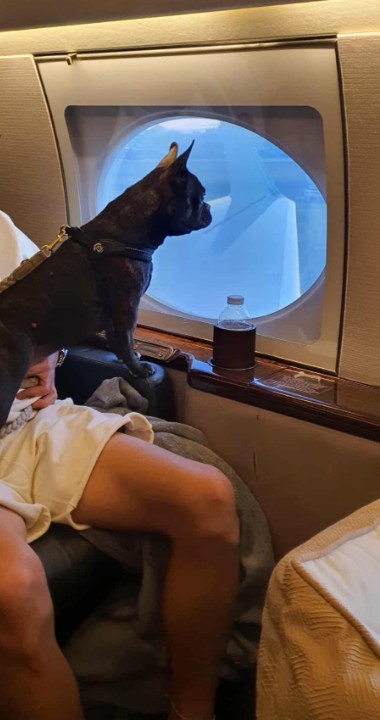
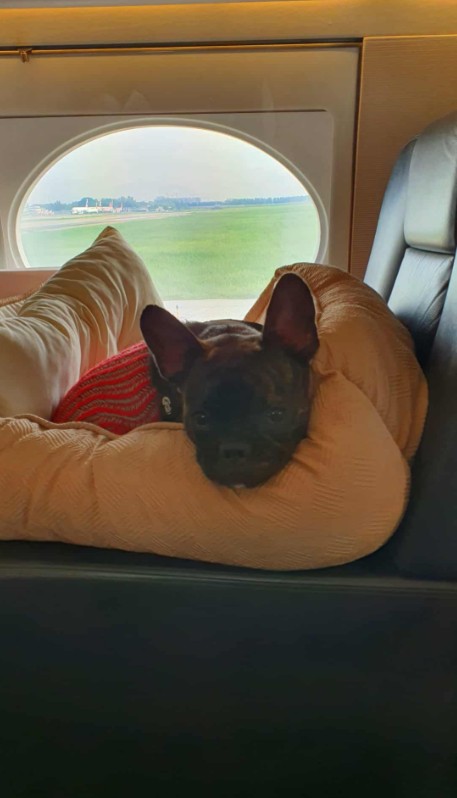

Personality outweighs breed. Herding instincts, brachycephalic limits, or size challenges influence travel, but patience and tailored support can turn any dog into a confident companion on the road.
International Travel & Documentation: Crossing Borders with Your Best Friend
Health Certificates and Vaccination Requirements
International travel with your furry companion requires meticulous preparation that begins months before departure. Each country maintains specific health requirements designed to protect their local animal populations from disease—and these requirements can change with little notice. Your neighborhood veterinarian might not be authorized to issue international health certificates; you’ll likely need a USDA-accredited veterinarian who understands the complex documentation maze.
The standard timeline looks like this: rabies vaccination (if needed) must occur at least 21 days before travel but within the validity period specified by the destination country. Some nations require rabies antibody titer tests, which involve blood draws sent to approved laboratories—a process taking 4-6 weeks. The health certificate itself typically needs examination and endorsement within 10 days of travel, though some countries require as little as 48 hours.
Essential vaccinations by region:
- European Union: Rabies, plus treatment for tapeworm (1-5 days before entry for some countries)
- Australia/New Zealand: Extensive requirements including rabies, internal and external parasite treatments
- Asia: Varies dramatically; Japan requires 180-day wait after rabies titer test
- South America: Generally rabies plus country-specific requirements
- Africa: Often requires additional vaccines for diseases like leishmaniasis
Did you know that some countries require dogs to be microchipped before their rabies vaccine to validate the connection between dog and vaccination record? This seemingly small detail can derail months of planning if overlooked. 🧠
Navigating Quarantine Regulations
Quarantine—the word that strikes fear into traveling dog owners’ hearts. While many countries have eliminated quarantine for properly documented pets, some maintain strict isolation periods that can stretch from days to months. Understanding these requirements helps you make informed decisions about whether your dog should join your adventure.
Countries like Australia and New Zealand maintain some of the world’s strictest biosecurity measures. Even with perfect paperwork, your dog might face 10 days minimum quarantine. During this time, you’ll have limited visitation rights—perhaps an hour daily—while your companion adjusts to institutional care. The emotional toll on both of you needs serious consideration.
But here’s the encouraging news: many previously strict countries now offer quarantine exemptions through approved routes. Singapore, for instance, waives quarantine for dogs arriving from Category A countries with proper documentation. The key is understanding which preparatory steps in your home country can minimize or eliminate quarantine at your destination.
Quarantine considerations include:
- Facility quality and visitation policies
- Cost (often $1000-3000+ for minimum stays)
- Your dog’s temperament and separation tolerance
- Alternative arrangements (pet relocation services, delayed reunion)
- Emergency medical care availability during quarantine
Airline-Specific Policies: Cabin vs. Cargo
The cabin-or-cargo decision involves more than just your comfort preference—it’s about your dog’s safety, stress levels, and sometimes, what’s physically possible. Each airline maintains different policies, and these can vary by aircraft type, route, and season. Your 8-pound Yorkie might fly cabin on Delta but be required to go cargo on the same route with United.
Cabin travel realities: Weight limits typically cap at 20 pounds (dog plus carrier combined). The carrier must fit under the seat—and airplane seats vary dramatically in their underneath space. Your dog must remain in the carrier for the entire flight, including during turbulence when you can’t provide comfort. Yet for small dogs who find security in confinement, cabin travel offers temperature control and your reassuring presence.
Cargo considerations: The cargo hold isn’t the dark, scary place many imagine—it’s pressurized and temperature-controlled. However, your dog experiences loading, waiting on the tarmac, and unloading without you. Temperature restrictions (too hot or too cold) can cause last-minute cancellations. Some breeds—particularly brachycephalic ones—are banned from cargo travel entirely due to respiratory risks.
Research shows that most pet travel incidents occur during ground handling, not flight. This knowledge should inform your decision-making and preparation strategies. Always book direct flights when cargo travel is necessary, reducing handling opportunities and connection risks.
Pet Passport Systems: Your Dog’s Travel Document
The European Union’s pet passport system revolutionized travel for dog owners, creating a standardized document that follows your pet throughout their life. This blue booklet contains vaccination records, microchip information, and health treatments—eliminating repetitive paperwork for frequent travelers.
But pet passports aren’t universal travel documents. They’re valid primarily within the EU and certain affiliated countries. The UK’s Brexit complicated matters, with UK-issued pet passports no longer valid for EU entry (though EU passports still work for UK entry). Understanding these nuances prevents border disappointments.
Regional documentation systems:
- EU Pet Passport: Valid across member states, issued only within EU
- UK Animal Health Certificate: Required for each trip to EU
- PETS Scheme: UK’s system for qualifying countries
- APEC Business Travel Card: Some Asian countries recognize for pets
- Interstate Health Certificates: Within USA, varying by state
Your dog’s passport requires maintenance—annual rabies boosters must be recorded, and some treatments have expiration dates. A lapsed entry invalidates the entire document, requiring you to start the process anew. Think of it like your own passport—keeping it current ensures travel readiness.
Cultural Considerations for Global Dog Travel
Your perfectly behaved café companion in Paris might be unwelcome in restaurants across Asia. Cultural attitudes toward dogs vary dramatically worldwide, affecting everything from accommodation options to public space access. Understanding these differences prevents awkward situations and ensures respectful travel.
In Muslim-majority countries, dogs are often considered ritually unclean, though attitudes are shifting in urban areas. Your dog might be welcome in outdoor spaces but not indoor establishments. Some taxi drivers might refuse service—not from personal preference but religious obligation. Planning alternative transportation shows cultural sensitivity while ensuring you’re not stranded.
Regional attitudes to consider:
- Northern Europe: Generally very dog-friendly, extensive accommodation options
- Mediterranean: Beaches often restrict dogs during summer months
- Asia: Varies widely; Japan loves small dogs, while China has size restrictions in cities
- Middle East: Limited public access, but growing expatriate-friendly facilities
- Latin America: Street dog populations might create safety concerns
Research local leash laws, muzzle requirements, and breed restrictions before arrival. Some countries ban specific breeds entirely, while others require muzzles on public transport regardless of temperament. What seems like discrimination often stems from different cultural relationships with dogs.
Emergency Veterinary Phrases for International Travel
When your dog needs help in a foreign country, language barriers can transform concern into crisis. While translation apps help, knowing key phrases in the local language can expedite care during critical moments. Veterinary terminology often differs from standard translations, making preparation essential.
Critical phrases to learn:
- “My dog needs emergency help” (Mi perro necesita ayuda de emergencia / Mon chien a besoin d’aide d’urgence / Mein Hund braucht Notfallhilfe)
- “Where is the nearest veterinary clinic?”
- “He/she is vomiting/having seizures/not breathing normally”
- “He/she ate something toxic”
- “Is allergic to [medication]”
- “Has been injured in an accident”
Create a translation card with your dog’s medical history, medications, and allergies in the local language. Include your contact information, insurance details, and emergency contact. Laminate this card and keep copies in multiple locations. When stress impairs your ability to communicate, this card speaks for you. 🐾

Emergency Preparedness & First Aid: When Adventures Take Unexpected Turns
Travel First-Aid Kit Essentials for Dogs
Your dog’s travel first-aid kit differs from their home supplies—it must be comprehensive yet portable, addressing likely travel scenarios while remaining TSA-compliant if flying. Think of it as emergency response equipment rather than routine care supplies. Every item should serve multiple purposes or address travel-specific risks.
The non-negotiable essentials:
- Gauze and self-adhesive wrap (controls bleeding, protects wounds)
- Digital thermometer (normal is 100.5-102.5°F)
- Saline solution (wound irrigation, eye flushing)
- Tweezers and tick remover (foreign object and parasite removal)
- Benedryl (dose calculated in advance for allergic reactions)
- Activated charcoal (toxin absorption—vet guidance required)
- Muzzle (injured dogs might bite from pain)
- Emergency blanket (shock prevention, temperature regulation)
But here’s what most lists miss: include photos of your dog’s normal gums, eyes, and posture. During emergencies, these references help you communicate changes to veterinarians who don’t know your dog’s baseline. Document normal vital signs during calm moments—this information becomes invaluable when assessing emergency situations.
Organize supplies in a waterproof container with compartments. Label everything clearly—stress impairs decision-making, and you don’t want to guess which syringe contains which medication. Review expiration dates before each trip, and know that extreme temperatures during travel can affect medication stability.
Recognizing Medical Emergencies During Travel
Travel stress can mask or mimic serious medical conditions, making emergency recognition challenging. Your normally panting traveler might be experiencing heatstroke, not just anxiety. That refusal to eat might indicate bloat, not just motion sickness. Understanding the difference saves lives.
Heatstroke presents uniquely during travel: Early signs include excessive panting, drooling, and red gums—easily mistaken for travel anxiety. But heatstroke progresses rapidly to stumbling, vomiting, and collapse. The critical difference? Anxiety panting decreases with rest; heatstroke panting intensifies. If rectal temperature exceeds 104°F, you’re facing an emergency requiring immediate cooling and veterinary care.
Bloat (Gastric Dilatation-Volvulus) warning signs: This life-threatening condition can develop during travel, especially after eating and subsequent motion. Watch for unsuccessful vomiting attempts, distended abdomen, excessive drooling, and restlessness. Your dog might assume a “prayer position” (front down, rear up) trying to relieve discomfort. Bloat allows zero delay—immediate surgery is the only treatment.
Travel-specific injury patterns:
- Pad lacerations from unfamiliar terrain
- Foreign body ingestion at rest stops
- Spider/snake bites during camping
- Salt water toxicity at beaches
- Altitude sickness in mountains
Trust your instincts. You know your dog’s normal—if something feels wrong during travel, seek veterinary attention. The cost of an unnecessary vet visit pales compared to missing a critical intervention window.
Finding Emergency Vets in Unfamiliar Locations
When crisis strikes away from home, finding quality emergency care becomes paramount. Your panicked Google search for “vet near me” might yield results, but are they equipped for emergencies? Do they speak your language? Are they even open? Preparation transforms panic into action.
Before traveling, identify emergency clinics along your route and at your destination. Save their information offline—cell service fails when you need it most. Many countries have veterinary emergency hotlines providing 24/7 guidance and clinic directions. Program these numbers before departure.
Resources for finding emergency care:
- VCA and BluePearl (USA): Networks with 24/7 emergency services
- RCVS Find a Vet (UK): Royal College registry with emergency filters
- Vet24Seven (Australia): National emergency network
- FECAVA (Europe): Federation providing country-specific resources
- Google Maps offline downloads: Pre-download maps of your travel area
Consider language barriers and payment methods. Many international clinics require immediate payment—does your credit card work abroad? Travel insurance with pet coverage can reimburse expenses, but you’ll need upfront payment ability. Some clinics might refuse treatment without payment guarantee.
Creating Emergency Contact Cards
An emergency contact card becomes your dog’s voice when you can’t speak for them. Whether you’re incapacitated in an accident or your dog escapes, this card ensures proper care continues. It’s not just contact information—it’s a complete emergency response guide.
Essential card information:
- Dog’s name, your name, multiple phone numbers
- Microchip number and registry
- Medical conditions and current medications
- Allergies and previous reactions
- Regular vet contact information
- Emergency contact (someone who knows your dog)
- “If found” instructions with reward mention
- Recent photo showing identifying marks
Laminate multiple copies: attach one to collar, keep one in first-aid kit, leave one in vehicle, carry one in wallet. Include accommodation information when traveling—hotel staff become allies if your dog returns without you. Update cards for each trip with local contact numbers.
For international travel, translate critical information into local languages. Include phrases like “This dog needs medical attention” and “Please call these numbers.” QR codes linking to online profiles provide extensive information without card clutter.
Natural Disaster Evacuation with Pets
Natural disasters don’t pause for vacation schedules. That peaceful beach vacation might coincide with hurricane warnings. The mountain retreat could experience wildfire evacuation orders. Preparing for location-specific disasters ensures your dog’s safety when every second counts.
Research disaster risks at your destination. Coastal areas face hurricanes and tsunamis. Mountain regions risk wildfires and avalanches. Earthquake zones require different preparation than flood plains. Understanding regional risks informs your preparation strategy.
Disaster evacuation essentials:
- Pre-identified pet-friendly evacuation shelters
- Portable carrier (even for large dogs—they might need carrying)
- 72-hour supply of food, water, medications
- Waterproof document container with records
- Recent photos in case of separation
- Familiar items for stress reduction
Practice your evacuation plan. Can you quickly secure your dog while gathering supplies? Does your dog willingly enter their carrier under stress? These rehearsals reveal gaps in planning while building muscle memory for emergency response.
When Your Dog Escapes in Unfamiliar Territory
The nightmare scenario: your dog bolts in an unfamiliar location. Without familiar scent trails home, even navigation-savvy dogs become lost. Your response in the first hour often determines reunion success. Panic is natural—but organized action brings them home.
Immediate actions:
- Stay at escape location initially—dogs often circle back
- Use happy voice calling—fear in your voice might prevent approach
- Deploy familiar scents: Leave worn clothing at escape site
- Alert local resources: Veterinarians, shelters, police
- Leverage social media: Local lost pet groups have amazing reach
- Set up base camp: Dogs often return at dawn/dusk
Lost dogs enter survival mode surprisingly quickly, potentially not recognizing even beloved owners. They might run from calling, hide from searchers, and avoid capture attempts. Understanding this prevents despair—your dog isn’t rejecting you; they’re overwhelmed.
Technology helps: GPS trackers provide real-time location if your dog remains within range. Microchips offer permanent identification if someone finds them. But prevention beats all technology—double-check collars, leashes, and containment before opening any door in new environments. 🧡

Mode-Specific Deep Dives: Mastering Every Type of Journey
Air Travel Specifics: Navigating the Skies
Air travel with dogs involves complexities beyond other transportation modes. The cabin pressure changes that pop your ears affect your dog too—but they can’t consciously equalize pressure. Understanding these physiological challenges helps you prepare appropriately and recognize distress signals.
At cruising altitude, cabin pressure equals approximately 8,000 feet elevation. For dogs unaccustomed to altitude, this can cause mild hypoxia symptoms: increased heart rate, subtle panting, or restlessness. Brachycephalic breeds face amplified challenges, their already-compromised airways working harder in thinner air. This isn’t cause for panic but awareness—knowing why your dog seems unsettled helps you provide appropriate comfort.
Carrier requirements for cabin travel: The “fits under seat” rule sounds simple until you realize seats vary dramatically. A carrier fitting perfectly under American Airlines’ Boeing 737 might not fit United’s Airbus A320. Soft-sided carriers offer flexibility but less protection. Hard-sided carriers provide security but might not squeeze into tight spaces. Measure your specific aircraft’s under-seat dimensions—airlines provide these on their websites—rather than relying on generic requirements.
The cargo experience decoded: Your dog’s cargo journey begins with check-in at a separate facility, often hours before your passenger check-in. They’re transported to the aircraft in climate-controlled vehicles, loaded last, unloaded first. The cargo hold maintains similar pressure and temperature to the passenger cabin—it’s not the refrigerated nightmare many imagine.
However, delays affect cargo dogs differently. While you wait at the gate, your dog waits in their crate, possibly on the tarmac. Temperature restrictions exist for good reason: tarmac temperatures can exceed 150°F in summer. Many airlines embargo pet cargo travel June through September for safety. Winter presents opposite challenges—de-icing procedures and extended ground time in freezing conditions.
Train and Bus Travel: Public Transport Navigation
Train travel often provides the gentlest introduction to public transport for dogs. The rhythmic motion, spacious aisles, and frequent stops create less stress than air travel. Yet each rail system maintains different policies—from Amtrak’s 20-pound limit to European trains welcoming all sizes.
European train systems generally embrace dog travelers. Your German Shepherd can ride the Deutsche Bahn for half a human ticket price. French TGV trains require muzzles for large dogs but provide dedicated pet spaces. The Eurostar between UK and France allows dogs in carriers but not foot passengers—these nuances matter for journey planning.
Public transport etiquette essentials:
- Position away from aisles (prevents accidental stepping)
- Maintain two-foot buffer from other passengers
- Use waterproof mat under your dog (accidents happen)
- Carry cleanup supplies visibly (shows responsibility)
- Muzzle if required, regardless of temperament
Bus travel presents unique challenges: closer quarters, more passenger interaction, and limited bathroom breaks. Many city buses allow dogs during off-peak hours only. Interstate buses like Greyhound typically prohibit pets entirely, though some regional carriers permit small dogs in carriers.
The key to successful public transport travel? Tire your dog beforehand. A well-exercised dog settles more easily, disturbs fewer passengers, and handles confinement better. That 30-minute pre-journey walk makes eight hours of travel manageable.
Boat and Ferry Travel: Navigating Marine Challenges
Marine travel introduces unique sensory experiences: engine vibrations through the deck, salt spray, constantly shifting horizons. Your dog’s vestibular system works overtime processing these inputs, potentially triggering seasickness even in normally travel-tolerant dogs.
Ferry systems vary dramatically in pet-friendliness. Washington State Ferries welcome leashed dogs on outside decks. Mediterranean ferries often provide dedicated pet cabins. Some cruise lines offer transatlantic crossings with kennel facilities. Research specific vessel policies—the same route might have different rules depending on the operator.
Seasickness management strategies:
- Start with short harbor cruises (build sea legs gradually)
- Position midship, lower deck (least motion)
- Maintain visual horizon access (helps brain process movement)
- Avoid feeding 3-4 hours before sailing
- Consider scopolamine patches (veterinary prescription)
Safety equipment becomes critical on boats. Even strong swimmers need life jackets—cold water shock can incapacitate any dog within minutes. Choose jackets with handles for emergency lifting and reflective strips for visibility. Practice wearing jackets on land first; a panicking dog struggling with unfamiliar equipment in water faces serious danger.
Deck rules exist for everyone’s safety. Non-slip surfaces can still become hazardous when wet. Railings that seem secure might have gaps large enough for small dogs. Tie-off points prevent overboard accidents but require appropriate length leashes—too long risks entanglement, too short causes discomfort.
RV and Camping Travel: Home on Wheels
RV travel offers the ultimate controlled environment for anxious travelers. Your dog enjoys familiar bedding, consistent temperature, and your constant presence. Yet RVs present unique challenges: limited space, motion different from cars, and extended confinement periods.
Space management becomes crucial in RVs. Your 80-pound Labrador needs clear pathways to prevent injury during sudden stops. Secure crates or harnesses aren’t just safety measures—they prevent your dog from becoming a projectile. That unsecured water bowl becomes a slip hazard during mountain curves. Every item needs designated storage.
Outdoor safety at campgrounds: Wildlife encounters top risk lists. Your curious dog doesn’t recognize danger in porcupines, skunks, or snakes. Even friendly-appearing deer can inflict serious injuries if cornered. Coyotes view small dogs as prey, not peers. Bears associate dogs with food access. Your vigilance provides their protection.
Campground etiquette affects everyone’s experience. Excessive barking disturbs wildlife and neighbors. Off-leash adventures might seem harmless until your dog destroys someone’s campsite or encounters aggressive dogs. Respect leash rules even when sites appear empty—rangers enforce rules for ecosystem protection, not just human comfort.
Temperature management in RVs requires attention. Unlike houses, RV insulation provides minimal protection. Internal temperatures can spike dangerously within minutes of air conditioning failure. Never leave dogs unattended without temperature monitoring systems and backup cooling plans.
Urban Transport: Cities and Crowds
Urban transport—subways, taxis, ride-shares—immerses your dog in sensory overload. Crushing crowds, screeching brakes, unfamiliar odors, and confined spaces challenge even confident dogs. Success requires preparation, timing, and sometimes creative problem-solving.
Subway systems worldwide maintain different pet policies. New York requires dogs in carriers unless they’re service animals. London’s Underground allows dogs on escalators (with careful paw positioning). Tokyo restricts pets to carriers completely covering them. These aren’t arbitrary rules—they reflect cultural values and safety concerns.
Rush hour survival strategies:
- Travel off-peak whenever possible (fewer crowds, less stress)
- Position in corners (reduces surrounding pressure)
- Lift small dogs (protects from stepping)
- Use barrier position (your body shields from crowds)
- Exit if overwhelmed (better late than traumatized)
Taxi and ride-share acceptance varies by driver discretion. Some drivers refuse all animals; others welcome well-behaved pets. Communicate clearly when booking: “I have a calm, 30-pound dog in a carrier.” Offering to tip for extra cleaning shows consideration. Carry towels for wet paws and waterproof seat covers for longer journeys.
Urban transport often means multiple transitions: walk to subway, ride to station, taxi to destination. Each transition provides stress accumulation opportunity. Plan routes minimizing changes. Sometimes a longer single journey beats multiple short segments. Your dog’s stress threshold, not efficiency, should guide routing decisions. 🐾
Recovery & Post-Travel Integration: The Journey After the Journey
Jet Lag in Dogs: The Circadian Rhythm Disruption
Yes, dogs experience jet lag—though they can’t complain about it verbally. Their circadian rhythms, governed by the same biological mechanisms as ours, become disrupted when crossing time zones. Your dog’s confusion about meal times, bathroom schedules, and sleep patterns isn’t behavioral regression—it’s physiological adaptation in progress.
Dogs typically adjust at a rate of one time zone per day, similar to humans. East-to-west travel (gaining hours) generally proves easier than west-to-east. Their internal melatonin production, triggered by light exposure, needs time to synchronize with new day-night cycles. During this adjustment, you might notice unusual wake times, appetite changes, or decreased enthusiasm for normal activities.
Supporting circadian rhythm reset:
- Immediate schedule adjustment (no gradual transition)
- Morning sunlight exposure (resets internal clock)
- Evening darkness enforcement (promotes melatonin)
- Consistent meal timing (anchors biological rhythm)
- Maintained exercise schedule (provides routine structure)
The temptation to let your jet-lagged dog sleep all day actually prolongs adjustment. Gentle engagement during new timezone daylight hours—even if they’re groggy—accelerates adaptation. Think of it like pushing through your own jet lag rather than surrendering to it.
Behavioral Regression After Travel
That perfectly housetrained dog having accidents? Your social butterfly suddenly reactive to strangers? Travel can trigger temporary behavioral regression that frustrates unprepared owners. Understanding the neuroscience behind these changes prevents overreaction while guiding appropriate responses.
Stress hormones released during travel don’t immediately dissipate upon returning home. Cortisol can remain elevated for 48-72 hours, affecting learning, memory, and impulse control. Your dog isn’t being defiant—their brain is literally functioning differently. Neural pathways for established behaviors become temporarily less accessible under stress hormone influence.
Common regression patterns:
- Housetraining lapses (stress affects bladder control)
- Separation anxiety increase (travel togetherness creates dependency)
- Sleep disruption (vigilance patterns from new environments persist)
- Appetite changes (digestive system stress response)
- Training command “forgetting” (cognitive interference from stress)
Respond with patience, not punishment. Return to basics: frequent bathroom breaks, simplified commands, increased reward frequency. Most dogs recover baseline behavior within a week. If regression persists beyond two weeks, consider that travel might have revealed underlying issues requiring professional attention.
Digestive Recovery Protocols
Your dog’s gut microbiome—that complex ecosystem of beneficial bacteria—takes a hit during travel. Stress, different water sources, dietary changes, and disrupted schedules all contribute to digestive upset that can persist after returning home. Supporting digestive recovery involves more than just returning to normal food.
The gut-brain axis means digestive distress amplifies anxiety, which further disrupts digestion—a vicious cycle requiring intentional interruption. Probiotics help, but timing matters. Administering them during meals improves survival through stomach acid. Choose multi-strain formulations specifically designed for dogs—human probiotics might not colonize appropriately.
Digestive recovery timeline:
- Days 1-3: Bland diet (boiled chicken, rice) if needed
- Days 4-7: Gradual regular food reintroduction
- Week 2: Probiotic supplementation
- Week 3: Full recovery expected
- Week 4+: Investigate persistent issues
Bone broth provides easily digestible nutrition while soothing intestinal lining. The glutamine content supports gut barrier repair—important after stress-induced permeability increases. Make it yourself or choose commercial versions without onion or excessive sodium. Offer warm but not hot—temperature affects palatability and digestion speed.
Re-establishing Routines at Home
Returning home doesn’t automatically restore normalcy. Your dog might seem confused in their own space, unsettled by familiar environments. This isn’t unusual—travel creates hypervigilance that persists even in safe spaces. Re-establishing routines requires intentional effort rather than assumption of automatic return.
Start with anchor points: consistent wake times, regular meals, predictable walks. These temporal markers help reset biological rhythms disrupted by travel. Avoid the temptation to provide extra attention or modified routines to “make up” for travel stress—this actually delays normalization.
The routine reset protocol:
- Day 1-2: Focus on basic needs (eat, sleep, eliminate)
- Day 3-4: Resume normal exercise patterns
- Day 5-7: Reintroduce training sessions
- Week 2: Full routine restoration
- Week 3+: Enhanced enrichment if needed
Some dogs benefit from “decompression” activities: sniff walks without destination pressure, puzzle toys providing mental engagement without physical demands, gentle grooming reestablishing touch patterns. These activities bridge travel stress and home comfort without overwhelming recovering nervous systems.
Processing Traumatic Travel Experiences
Sometimes travel goes wrong—really wrong. Accidents, aggressive dog encounters, severe weather events, or medical emergencies during travel can create lasting trauma requiring specialized intervention. Recognizing trauma versus normal stress prevents unnecessary suffering while ensuring appropriate support.
Trauma manifests differently than typical travel stress. You might notice hypervigilance around specific triggers (car approaching, suitcase appearance), avoidance behaviors, personality changes, or fear responses to previously neutral stimuli. These aren’t dramatic reactions—they’re symptoms of genuine psychological injury requiring compassionate response.
Trauma recovery strategies:
- Avoid trigger exposure initially (prevents re-traumatization)
- Create safety rituals (predictable comfort behaviors)
- Consider veterinary behaviorist consultation
- Implement systematic desensitization (professional guidance crucial)
- Maintain patience (trauma recovery takes months, not weeks)
Medication might be necessary—not as failure but as compassionate intervention. SSRIs can reduce anxiety while allowing new learning. Anti-anxiety medications prevent panic during necessary exposure. These tools, combined with behavioral therapy, offer hope for traumatized travelers.
Remember: your dog’s trust was shaken, not broken. With time, patience, and appropriate support, most dogs can overcome travel trauma. Some might never enthusiastically embrace travel again—and that’s okay. Respecting their limitations while celebrating small victories honors their experience while preserving your bond. 🧡
Special Needs & Accessibility: Every Dog Deserves Adventures
Blind and Deaf Dogs: Navigating Without All Senses
Sensory-impaired dogs can be remarkable travelers when their unique needs are understood and accommodated. Your blind dog navigates through mental mapping, scent trails, and sound cues. Your deaf dog relies on visual markers and vibrations. Travel disrupts these carefully constructed navigation systems, requiring thoughtful adaptation strategies.
Blind dogs in new environments need verbal guidance becoming their eyes. Develop consistent directional cues: “step up,” “step down,” “careful,” “stop.” Your voice provides both navigation and comfort. Maintain physical contact through leash tension—not pulling but gentle pressure indicating direction. In vehicles, secure positioning prevents disorientation from unexpected movement.
Creating travel success for blind dogs:
- Scout new environments first (identify hazards)
- Maintain verbal commentary (describes surroundings)
- Use textured mats (marks safe spaces)
- Keep familiar scents close (reduces anxiety)
- Avoid furniture rearrangement in accommodations
Deaf dogs miss auditory warnings about approaching dangers—vehicles, other animals, people. Visual attention becomes paramount. Develop consistent hand signals for recalls, stops, and warnings. A vibrating collar (not shock) provides distance communication when visual contact breaks. During travel, they need positioning where they can see you constantly.
Both blind and deaf dogs benefit from routine rigidity during travel. Same feeding corner, same sleeping spot, same bathroom area when possible. This predictability compensates for sensory limitations while building confidence.
Mobility-Impaired Dogs: Movement Without Limits
Paralyzed, amputee, or arthritis-affected dogs need not be excluded from travel adventures. Modern mobility aids and thoughtful planning enable these resilient souls to explore the world. Their physical limitations require accommodation, but their spirit for adventure often exceeds fully-abled peers.
Wheelchair-using dogs face unique travel challenges. Air travel might require wheelchair disassembly and checking. Vehicle space must accommodate both dog and equipment. Rest stops need accessible surfaces—grass can bog down wheels, gravel causes discomfort. Yet watching a paralyzed dog racing down a beach in their wheels reminds us that disability doesn’t mean inability.
Essential mobility adaptations:
- Vehicle ramps (protect joints, prevent lifting injury)
- Non-slip surfaces (stability for compromised balance)
- Frequent position changes (prevents pressure sores)
- Temperature awareness (impaired dogs might not feel hot/cold surfaces)
- Recovery time planning (disabled dogs tire more quickly)
Three-legged dogs adapt remarkably but face increased joint stress on remaining limbs. Travel surfaces matter more—prolonged walking on concrete causes more damage than varied terrain. Swimming provides excellent exercise without impact. Pack weight must be monitored carefully as extra pounds exponentially increase joint stress.
Arthritis management during travel requires medication timing consideration. Anti-inflammatories might need adjustment for increased activity. Joint supplements become even more critical. Cold weather stiffens joints; warm destinations might require gradual activity increase to prevent overexertion in improved conditions.
Diabetic and Epileptic Dogs: Medical Management on the Move
Chronic medical conditions complicate but don’t prohibit travel. Your diabetic dog’s insulin schedule crosses time zones. Your epileptic dog might experience seizure trigger changes. Success requires meticulous planning, backup strategies, and unwavering vigilance.
Diabetic dogs need consistent meal timing and insulin administration despite travel disruptions. Crossing time zones requires veterinary consultation about schedule adjustment—abrupt changes risk hypoglycemia or ketoacidosis. Carry double supplies: insulin requires refrigeration that might fail. Glucose testing supplies need accessibility during transport. Emergency glucose sources must be immediately available.
Diabetic travel essentials:
- Insulin cooling cases (maintains temperature without refrigeration)
- Multiple glucose meters (backup for failure)
- Prescription documentation (prevents confiscation)
- Emergency vet identification (all destinations)
- Medical alert collar information
Epileptic dogs face travel-specific triggers: stress, schedule disruption, altitude changes, temperature extremes. Breakthrough seizures might occur despite controlled baseline. Knowing your dog’s seizure pattern helps distinguish emergency situations from typical episodes. Document seizure activity meticulously—duration, severity, recovery time—as this information guides veterinary decisions.
Travel timing around medication schedules becomes crucial. Anti-epileptic drugs require consistent blood levels—missed doses risk breakthrough seizures. Set multiple alarms. Pre-portion medications. Consider extended-release formulations reducing dosing frequency. Carry extra medication for travel delays.
Anxiety Disorders: Beyond Normal Travel Stress
Some dogs experience anxiety transcending typical travel stress. Generalized anxiety disorder, panic disorder, or PTSD require specialized approaches beyond standard calming techniques. These dogs aren’t “difficult”—they’re experiencing genuine psychiatric conditions deserving compassionate, medical-grade intervention.
Severe anxiety manifests physically: chronic diarrhea, self-mutilation, complete shutdown. These dogs might require pharmaceutical intervention not as failure but as medical necessity. Combining medication with behavioral modification offers best outcomes. Starting medication weeks before travel allows assessment of effectiveness and side effects.
Multi-modal anxiety management:
- Pharmaceutical support (SSRIs, benzodiazepines, trazodone)
- Compression garments (deep pressure therapy)
- Pheromone therapy (DAP diffusers, sprays, collars)
- Environmental modification (visual barriers, white noise)
- Behavioral protocols (systematic desensitization, counterconditioning)
Some anxious dogs benefit from complete sedation for travel—unconsciousness eliminates suffering when conscious management fails. This requires veterinary supervision and careful monitoring but might be the kindest option for severely affected dogs. There’s no shame in choosing medical management over behavioral struggle.
Working and Service Dogs: Professional Travelers
Service dogs and working dogs travel under different rules—legal, social, and practical
Creating a confident canine traveler isn’t about forcing adaptation—it’s about understanding your unique dog’s needs and building their confidence systematically. Every dog can improve their travel tolerance, though destinations might differ. Your nervous Chihuahua might never enjoy cross-country flights but could learn to love Sunday drives to the beach. Your anxious Shepherd might transform into an enthusiastic road trip companion with proper support.
The journey toward comfortable travel strengthens your bond beyond the destination reached. Each successful trip builds trust. Every patient training session deepens communication. The investment you make in your dog’s travel comfort pays dividends in shared adventures and reduced stress for both of you.
Ask yourself these key questions:
- Have I identified my dog’s specific travel triggers?
- Am I willing to progress at their pace, not mine?
- Can I recognize stress signals early enough to intervene?
- Do I have realistic expectations for my dog’s travel potential?
- Have I assembled appropriate support (veterinary, behavioral, nutritional)?
Remember, not every dog needs to be a travel enthusiast. Some dogs find their joy in neighborhood walks and backyard adventures—and that’s perfectly valid. The goal isn’t creating a dog who tolerates everything but understanding what brings your specific companion joy and comfort.
The science tells us that travel stress is real, measurable, and impacts every body system. But it also tells us that patient, systematic intervention can reshape those stress responses. Your dog’s amygdala can learn new associations. Their HPA axis can develop different response patterns. Their trust in you can overcome their fear of the unknown.
Whether your next journey involves a cross-continental move or a trip to the local park, you now have the knowledge to make it better for your four-legged friend. Start small, celebrate progress, and remember—the best journeys are measured not in miles traveled but in tails wagging at journey’s end.
Your dog doesn’t need to love every aspect of travel. They just need to trust that with you beside them, they can handle whatever comes next. And that trust? That’s built one positive experience at a time, one treat at a time, one gentle “good dog” at a time.
Safe travels to you and your furry co-pilot. The road ahead is full of possibility, and now you’re equipped to navigate it together. 🧡🐾