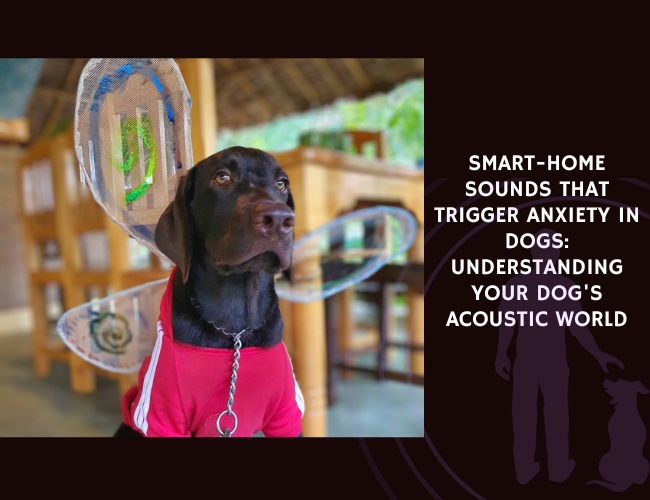
Introduction: When Technology Meets Canine Sensitivity
You walk into your living room, and your voice assistant chimes to life. Your robotic vacuum whirs across the floor. A motion sensor beeps. To you, these are the sounds of modern convenience. But have you ever noticed your dog’s reaction? That subtle ear flick, the sudden retreat to another room, or the anxious pacing that seems to appear from nowhere?
Welcome to the hidden acoustic landscape of smart homes—a world that might be more stressful for your furry friend than you ever imagined. Did you know that approximately one-third of all dogs suffer from noise aversion? And now, we’re introducing an entirely new category of sounds into their environment: digital, synthetic, and often unpredictable acoustic cues that their evolutionary history never prepared them for.
Common Smart-Home Sounds That May Trigger Anxiety:
- Voice assistant activation tones and synthetic speech patterns
- Motion sensor beeps and chimes
- Robotic vacuum startup sounds and navigation alerts
- Smart doorbell notifications and two-way audio
- Automated thermostat adjustment clicks
- Smart appliance completion alerts
- Security system arming/disarming tones
- Smart light switch audible clicks
- Air purifier fan speed changes
- Ultrasonic emissions from electronic devices (inaudible to humans)
This isn’t just about loud noises anymore. It’s about frequency ranges your ears can’t detect, voice patterns that confuse their social instincts, and unpredictable bursts of sound that keep them in a constant state of alert. Let us guide you through the fascinating intersection of canine neuroscience, acoustic sensitivity, and modern technology—because understanding your dog’s auditory world is the first step toward creating a home where both innovation and wellbeing can coexist. 🧡
Understanding Canine Noise Sensitivity: The Foundation
The Remarkable Canine Auditory System
Your dog’s ears aren’t just adorable—they’re sophisticated biological instruments designed to detect threats, locate prey, and communicate across distances. While you hear sounds up to about 20 kHz, your dog’s auditory range extends to approximately 65 kHz. This means your furry companion perceives an entire dimension of sound that remains completely invisible to you.
Key Differences Between Human and Canine Hearing:
- Frequency range: Dogs detect up to 65 kHz vs. humans’ 20 kHz upper limit
- Sound localization: Dogs can pinpoint sound sources with exceptional accuracy using independently mobile ears
- Distance detection: Canine hearing is approximately four times more sensitive than human hearing
- High-frequency sensitivity: Dogs easily hear ultrasonic pest deterrents, electronic emissions, and device frequencies
- Directional control: Dogs can move each ear independently to focus on different sound sources simultaneously
- Evolutionary purpose: Designed for predator detection, prey location, and long-distance pack communication
This superior hearing evolved for survival. Wild canids needed to detect the rustle of small prey in tall grass, identify the approach of predators, and coordinate pack movements through vocalization. But here’s what that means in your modern home: every ultrasonic emission from your electronics, every high-frequency whine from charging devices, every synthetic beep—your dog hears it all, often with startling clarity.
The purpose of ears extends beyond simple reception. They transmit sound information to the brain, where it’s processed through neural pathways intimately connected to emotion and memory. When those pathways light up with alarm signals, your dog doesn’t just “hear” a sound—they experience it as a potential threat, triggering physiological responses you might not immediately recognize. 🧠
Common Triggers and Individual Differences
Not all dogs react to noise in the same way, and understanding these differences helps you recognize your own dog’s unique sensitivities. Research shows that several factors influence noise sensitivity:
Breed predispositions play a significant role. Some breeds are considerably less likely to develop loud noise phobia, suggesting genetic or physiological factors at work. Herding breeds, for instance, often show heightened environmental awareness—a trait that served them well in their working roles but can translate to increased sound sensitivity in domestic settings.
Age matters profoundly. Older dogs are more prone to negative emotional reactions to loud or unexpected noises. This isn’t just about hearing loss—it’s about changes in neural processing, decreased stress resilience, and sometimes, cognitive changes that make new or unusual sounds more difficult to integrate.
Traumatic experiences can create lasting acoustic sensitivities. A single frightening encounter or repeated exposure to distressing stimuli can establish what researchers call “extreme phobic reactions.” This means that even if your dog wasn’t noise-sensitive as a puppy, experiences in their environment could have shaped their current responses.
Recognizing Fear and Anxiety Responses
How do you know if your dog is experiencing sound-induced anxiety? The signs range from subtle to unmistakable:
Mild fear responses often include panting despite comfortable temperatures, pacing without apparent purpose, and attempts to hide or seek proximity to you. You might notice your dog positioning themselves behind furniture, pressing against your legs, or repeatedly checking doorways as if planning an escape route.
Moderate anxiety manifests as trembling, excessive drooling, dilated pupils, and ears pinned back against the head. Your dog might bark or whine repeatedly, showing an inability to settle even with reassurance. They may refuse treats or ignore favorite toys—clear indicators that their stress response has overridden their normal motivation systems.
Severe phobic reactions involve panic behaviors: destructive activity directed at doors or windows, attempts to escape even at risk of injury, loss of bladder or bowel control, and intense agitation that doesn’t respond to normal calming techniques. These responses indicate a dog whose nervous system has shifted into full survival mode. 🐾
Understanding these baseline sensitivities provides the critical lens through which we can now examine the specific challenges posed by smart-home acoustic environments. Next, we’ll explore how modern technology creates a uniquely challenging soundscape for our canine companions.

The Smart-Home Soundscape: A New Acoustic Challenge
Ultrasonic Emissions and High-Frequency Sensitivity
Here’s something that might surprise you: many of your smart devices are having conversations your dog can hear but you cannot. Electronic devices frequently emit ultrasonic sounds—frequencies above human hearing range but well within your dog’s acoustic perception. These emissions come from power adapters, motion sensors, wireless routers, and even LED light bulbs.
Imagine living in a home where random, inexplicable sounds occur throughout the day, sounds that no one else acknowledges or responds to. This is your dog’s reality in a smart home. These ultrasonic emissions can trigger what researchers describe as measurable stress responses: elevated heart rate, increased cortisol levels, and activation of fear-processing centers in the brain.
The frequency ranges matter enormously. While your dog might habituate to consistent sounds within their normal range, high-frequency emissions often have an irregular, pulsing quality that prevents habituation. Instead of becoming “background noise,” these sounds remain alerting stimuli—perpetually novel, perpetually demanding attention.
Research is now investigating which specific frequency ranges provoke the strongest stress responses. Through the NeuroBond approach, we understand that acoustic stress isn’t just about volume or pitch—it’s about how the brain processes and categorizes sounds as safe or threatening. When sounds fall outside familiar patterns, the limbic system treats them as potential dangers requiring vigilance.
Synthetic Voice Patterns and Social Confusion
Your voice assistant speaks with perfect clarity and consistent tone. But to your dog, these synthetic voice patterns may create profound confusion. Dogs have evolved exquisite sensitivity to human vocal cues—they read emotional content in tone, pitch changes, rhythm, and even breathing patterns. Human speech isn’t just information to them; it’s emotional communication.
Synthetic voices lack the subtle acoustic markers of emotional state. They don’t have the micro-variations, the warmth, the involuntary emotional leakage that characterizes genuine human vocalization. When your voice assistant announces a reminder or responds to a query, your dog hears something that sounds almost like a person but feels fundamentally wrong—like an acoustic uncanny valley.
This creates a state of cognitive dissonance. Should they respond socially? Is this a person to greet or ignore? The confusion itself becomes a source of stress. Some dogs learn to ignore these voices entirely, but others remain in a state of perpetual puzzlement, unable to categorize these sounds within their existing social framework.
Voice assistants also lack spatial consistency. Human voices move through your home in predictable ways—attached to bodies, following logical paths. But a voice assistant might “speak” from the kitchen counter, then later from a bedroom speaker, without the connecting movement pattern. For a dog whose spatial awareness is deeply integrated with social cognition, this disembodied communication can be genuinely unsettling. 😄
Unpredictable Acoustic Cues and Chronic Vigilance
Perhaps the most significant challenge smart homes present is unpredictability. Traditional household sounds follow patterns your dog can learn: the washing machine runs on certain days, doorbells ring when people arrive, kitchen appliances connect to meal preparation. These sounds become woven into the predictable fabric of home life.
Smart-home sounds often lack this predictability. Motion sensors activate based on movement patterns that don’t follow daily rhythms. Automated systems trigger at programmed times that may not align with household activity. Notifications chime without external causes your dog can perceive. The result? Sounds that seem to occur randomly, without warning or apparent purpose.
This unpredictability can lead to chronic vigilance—a state where your dog never fully relaxes because the next unexpected sound could occur at any moment. Cumulative exposure to these unpredictable acoustic bursts may create learned avoidance behaviors. Your dog might begin avoiding certain rooms where smart devices are concentrated, or show increased startle responses even to familiar household sounds.
Research into habituation versus sensitization reveals a troubling pattern: while repeated exposure to predictable stimuli often leads to decreased response (habituation), repeated exposure to unpredictable or threatening stimuli can cause stress amplification (sensitization). Instead of “getting used to it,” your dog may become progressively more reactive over time. 🧠
The difference between “predictable” household sounds and unpredictable smart-home cues lies in your dog’s ability to anticipate and mentally prepare. When they can connect a sound to a cause—your hand on a doorknob, movement toward the kitchen—they experience less stress. When sounds occur without perceptible triggers, their nervous system remains on alert, constantly scanning for threats they cannot identify.
Neurophysiological Responses: What Happens in Your Dog’s Brain
The Amygdala, Fear Processing, and Acoustic Threats
When your dog hears a sudden or unusual sound, the acoustic information travels through their auditory pathway to reach the amygdala—a small, almond-shaped structure that serves as the brain’s threat-detection center. The amygdala doesn’t wait for conscious processing. It makes split-second decisions about danger, triggering protective responses before your dog even “thinks” about what they heard.
In dogs with noise sensitivity, researchers observe what’s called amygdala hypersensitivity—an overactive threat-detection system that treats ambiguous or novel sounds as potential dangers. This isn’t a character flaw or a training failure. It’s a neurological reality shaped by genetics, early experience, and learned associations.
According to affective neuroscience pioneer Jaak Panksepp, sudden high-frequency cues can simultaneously activate both the FEAR and SEEKING systems in a dog’s brain. The FEAR system triggers defensive responses: freeze, flee, or fight. The SEEKING system drives the animal to investigate and understand the source of stimulation. When both systems activate simultaneously, the result is hyper-vigilance—a state of high arousal where your dog is both anxious and compulsively alert.
This dual activation helps explain behaviors you might observe: a dog who seems unable to settle, who keeps returning to investigate a device even while showing signs of fear, or who displays what appears to be obsessive checking behavior. They’re caught between the drive to understand and the impulse to escape. 🐾
Autonomic Nervous System Shifts
Your dog’s autonomic nervous system operates largely outside conscious control, governing heart rate, breathing, digestion, and stress responses. Polyvagal theory, developed by neuroscientist Stephen Porges, offers profound insights into how acoustic threats affect this system.
In a calm, safe state, your dog operates primarily through their ventral vagal complex—a neural pathway associated with social engagement, relaxation, and playfulness. This is the state where your furry friend greets you with a wagging tail, engages in play, and rests peacefully by your side.
Perceived acoustic threats shift this balance. When your dog’s brain categorizes a sound as potentially dangerous, the sympathetic nervous system activates—the familiar “fight or flight” response. Heart rate increases, breathing becomes rapid and shallow, muscles tense for action, and stress hormones flood the bloodstream.
What makes this particularly relevant for smart-home sounds is that this shift can occur without obvious external danger. Your dog’s brain is responding to acoustic information that their evolutionary history has not equipped them to categorize as safe. The synthetic beep, the ultrasonic emission, the disembodied voice—none of these existed in the environment where canine auditory processing evolved.
Chronic activation of sympathetic responses creates a cascade of problems. Elevated cortisol levels, persistent muscle tension, disrupted sleep patterns, and decreased immune function all flow from a nervous system that cannot return to baseline relaxation. This is why understanding and addressing acoustic stress isn’t just about comfort—it’s about fundamental wellbeing.
Memory, Learning, and Acoustic Associations
Your dog’s brain is constantly learning, creating associations between sounds and outcomes. This learning happens through both conscious experience and deeper emotional memory systems. A sound that preceded a frightening experience becomes itself a predictor of danger. Over time, even sounds similar to the original trigger can activate fear responses—a process called stimulus generalization.
This is where moments of Soul Recall become particularly relevant. Deep emotional memories, formed during intense experiences, can influence behavior long after the original event. A dog who had a panic attack during a thunderstorm might later show fear responses to any rumbling sound, including your robotic vacuum. The brain isn’t making a logical connection—it’s responding to acoustic similarity within the emotional memory network.
Smart-home sounds can inadvertently create new fear associations. If your dog experiences fear or startle when a motion sensor beeps, their brain may begin categorizing all beeping sounds as threatening. If they’re anxious when your voice assistant speaks, they might generalize this to any electronic voices, including those from your television or phone.
The good news? The same learning mechanisms that create these associations can help reshape them. Through systematic desensitization and counter-conditioning—processes we’ll explore in detail—you can help your dog build new, positive associations with previously threatening sounds. Understanding the neurophysiology behind acoustic anxiety is the first step toward effective intervention. 🧡
Behavioral Manifestations: Reading Your Dog’s Acoustic Stress
Observable Anxiety Behaviors in Domestic Settings
Your dog communicates their acoustic stress through a rich vocabulary of behaviors, many of which are subtle enough that you might miss them if you’re not watching carefully. Recognizing these signs early allows you to intervene before anxiety escalates into phobia.
Early Warning Signs of Acoustic Stress:
- Subtle ear position changes (pinned back or hyperalert forward)
- Tail tucking or lowered body posture
- Lip licking or yawning out of context
- Brief freezing or hesitation in movement
- Increased scanning behavior (looking around frequently)
- Subtle weight shift backward or toward exit routes
- Brief eye contact followed by looking away
Moderate Anxiety Indicators:
- Panting despite comfortable temperature
- Pacing without clear purpose or destination
- Trembling or visible muscle tension
- Seeking physical contact more insistently than usual
- Whining or low-frequency vocalizations
- Dilated pupils or visible tension around the eyes
- Refusing treats or showing reduced interest in food
- Repeatedly moving between rooms or positions
Severe Phobic Responses:
- Panic behaviors and frantic attempts to escape
- Destructive activity focused on doors or windows
- Excessive drooling or salivation
- Loss of bladder or bowel control
- Intense, prolonged barking or howling
- Self-injurious behavior in escape attempts
- Complete inability to be redirected or comforted
- Aggressive responses when approached during panic
Postural changes often appear first. A dog experiencing mild acoustic stress might lower their body slightly, tuck their tail, or pull their ears back. They might shift their weight backward, preparing for retreat. Watch for tension in the facial muscles—a tight, closed mouth or visible tension around the eyes indicates stress your dog is trying to manage.
Movement patterns reveal escalating anxiety. Pacing without purpose, repeatedly moving between rooms, or circling before lying down (more than usual) all suggest an inability to settle. Your dog might seek physical contact more insistently than usual, pressing against you or trying to climb onto furniture they normally avoid. Alternatively, they might isolate themselves, retreating to small spaces like closets or behind furniture.
Vocalization changes provide crucial information. Some dogs become more vocal when anxious, with whining, low-frequency whimpers, or repetitive barking that seems disconnected from external triggers. Others become unusually quiet, a silence that feels qualitatively different from relaxed contentment.
Displacement behaviors appear when your dog experiences conflicting motivations. You might observe sudden self-grooming, lip licking, yawning, or sniffing the ground—behaviors that seem contextually odd. These aren’t intentional communication but rather behavioral overflow from internal conflict. 🐾
Differentiation: Predictable Sounds vs. Smart-Home Unpredictability
One of the most revealing assessments you can make involves comparing your dog’s reactions to different categories of household sounds. This differentiation helps you understand whether their anxiety centers specifically on smart-home technology or reflects broader noise sensitivity.
Characteristics of Predictable Household Sounds:
- Connected to visible human actions (opening refrigerator, pressing coffee maker button)
- Build gradually with warning phases (kettle heating, washing machine filling)
- Occur in consistent locations with visible sources
- Follow daily routines and patterns your dog can learn
- Associated with specific contexts (meal preparation, cleaning time)
- Include visual and olfactory cues alongside sound
Characteristics of Unpredictable Smart-Home Sounds:
- Activate without visible human initiation or touch
- Occur suddenly without building or warning phases
- May lack visible sources (speakers hidden in walls, ultrasonic emissions)
- Follow algorithmic patterns that don’t align with daily rhythms
- Triggered by sensors detecting things your dog can’t perceive
- Purely acoustic without supporting sensory context
Predictable household sounds include appliances your dog can see, hear building to activation, and connect to human activity. The refrigerator hum, the washing machine cycle, the coffee maker gurgle—these become part of your home’s acoustic texture. Dogs typically habituate to these sounds because they’re consistent, contextually appropriate, and often connected to positive outcomes (like meal preparation).
Unpredictable smart-home cues lack these anchoring features. They occur without visible human initiation, without building phases your dog can use to anticipate them, and without clear connections to outcomes. When your air purifier suddenly shifts fan speed based on air quality sensors, your dog has no framework for predicting or understanding this change.
Try this observation exercise: over several days, note your dog’s reactions to both categories of sound. Does their stress response show greater intensity or duration for smart-home sounds? Do they show anticipatory anxiety (signs of stress before the sound occurs) around traditional appliances but startle responses to smart devices?
This differentiation matters because it informs your intervention strategy. A dog who shows general noise sensitivity needs comprehensive desensitization across many sounds. A dog who specifically reacts to smart-home unpredictability might benefit most from increased sound predictability and positive association-building focused on those specific devices.
Chronic Vigilance and Spatial Avoidance
Perhaps the most concerning behavioral manifestation of smart-home acoustic stress is the development of chronic vigilance—a state where your dog never fully relaxes, even in the absence of triggering sounds. This continuous alertness exhausts your dog both mentally and physically, leading to reduced quality of life that extends far beyond the moments of acute stress.
Signs Your Dog Is Experiencing Chronic Vigilance:
- Difficulty settling for rest, frequent position changes
- Hyperalert to minor environmental changes others wouldn’t notice
- Exaggerated startle responses to everyday sounds
- Reduced play behavior or inability to fully engage in games
- Choosing watchful positions near doorways or with views of multiple areas
- Elevated resting position on furniture for better surveillance
- Fragmented sleep with frequent waking throughout day and night
- Reduced appetite or eating in alert, standing positions
- Constant environmental scanning even during preferred activities
- Reluctance to lie in fully relaxed positions (always semi-ready to move)
Signs of chronic vigilance include difficulty settling for rest, hypervigilance to subtle environmental changes, exaggerated startle responses to minor sounds, and reduced play behavior. Your dog might spend significant time in watchful positions—near doorways, where they can monitor multiple areas, or in elevated locations that provide broader visual surveillance. Sleep patterns become fragmented, with frequent waking or the inability to achieve deep sleep states.
Learned avoidance represents your dog’s attempt to control their acoustic environment by avoiding spaces where stressful sounds occur. You might notice your furry friend refusing to enter rooms with smart speakers, giving wide berth to your robotic vacuum’s docking station, or showing reluctance to pass through areas where motion sensors frequently activate.
This spatial avoidance creates a shrinking world for your dog. Areas of your home that should be safe, comfortable spaces become territories of potential threat. The impact on your dog’s wellbeing is substantial—they lose access to favorite resting spots, feel restricted in their movement through the home, and experience the stress of navigating around perceived danger zones.
Pay attention to subtle avoidance too: taking longer routes to avoid certain devices, hesitating before entering rooms, or positioning themselves with visual access to triggering devices even while maintaining distance. These behaviors indicate that acoustic stress is shaping your dog’s spatial decisions and overall sense of security within your home. 😄
Buzz. Whir. Retreat.
Modern sounds, ancient ears. The smart home hums with frequencies your dog was never wired to understand—each tone a tiny shock to instinctive vigilance.
Invisible stressors surround them. Digital beeps and ultrasonic whispers reach deep into emotional circuits, keeping the nervous system on constant watch.

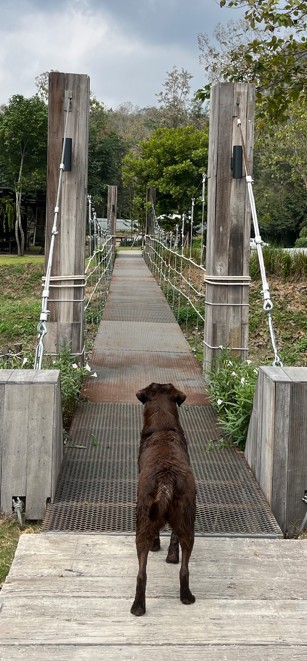

Soften the soundscape. Silence unneeded alerts, offer safe zones, and pair new tones with calm presence—teaching your dog that technology no longer means threat.
Environmental and Contextual Factors: The Geography of Sound
Spatial Proximity and Startle Intensity
The physical relationship between your dog and sound sources dramatically affects their stress response. Sound intensity follows the inverse square law—each doubling of distance reduces intensity by approximately 75%. This means a device that produces moderate stress at one meter might cause minimal reaction at two meters.
But distance affects more than just volume. Proximity influences your dog’s ability to investigate, understand, and categorize sounds. When a device is close enough for investigation, your dog can use multiple senses to build a complete picture: they can see the device, smell it, potentially feel vibrations. This multi-sensory integration helps their brain categorize the sound source as an object rather than an unlocalized threat.
Devices that activate while your dog is in close proximity create the most intense startle responses. Through the Invisible Leash principles of spatial awareness, we understand that dogs create mental maps of their environment that include both physical objects and their associated sounds. When sounds occur without corresponding objects in the expected location, or when familiar objects suddenly produce unexpected sounds, spatial disorientation contributes to stress.
Consider your smart-home device placement with your dog’s typical movement patterns in mind. Devices positioned at your dog’s head level create more direct acoustic impact than those mounted high or low. Devices near your dog’s resting spots or feeding areas introduce stress into spaces that should represent safety and contentment. 🧠
Acoustic Environment: Reverberation and Background Noise
Your home’s acoustic properties significantly influence how your dog experiences smart-home sounds. Hard surfaces—tile floors, bare walls, large windows—create reflective environments where sounds bounce and reverberate. In these spaces, a single beep becomes multiple overlapping echoes, each slightly delayed, creating acoustic complexity that’s challenging for your dog’s auditory system to process.
Reverberation affects sound localization. Your dog’s ability to pinpoint sound sources relies on timing differences between ears and the direct path of sound waves. When multiple reflections occur, this localization becomes difficult or impossible. The resulting confusion—hearing a sound but being unable to determine its origin—triggers heightened alertness and stress.
Background noise levels create what acousticians call the “signal-to-noise ratio.” In quiet homes, smart-home sounds stand out sharply, commanding immediate attention. In homes with consistent background noise (HVAC systems, ambient music, open windows), the same sounds might be less startling because they emerge from an already-textured acoustic environment.
However, this isn’t always beneficial. High background noise levels can create their own stress, particularly if the noise includes irregular or unpredictable elements. Your dog might exist in a state of auditory overload, unable to effectively monitor their environment because the acoustic landscape is too complex to parse effectively.
Confined spaces amplify acoustic stress. Small rooms, hallways, and spaces without sound-absorbing materials can intensify sounds and increase reverberation. If your dog retreats to a small space during acoustic stress—a closet, bathroom, or beneath furniture—they might actually be intensifying their exposure while attempting to escape. Understanding this helps you create genuinely safe spaces we’ll discuss in our intervention section.
High-Automation Households vs. Traditional Homes
An emerging area of research compares dogs living in highly automated homes with those in low-tech environments. Preliminary findings suggest a correlation between technological density and the development of sound sensitivity syndromes, though more research is needed to establish causation.
High-automation households introduce several compounding factors. First, the sheer number of devices creates more opportunities for acoustic stress—more sounds, more unpredictability, more ultrasonic emissions. Second, device interaction creates unexpected sound combinations when multiple systems activate simultaneously or in sequence. Third, automation can reduce the predictable human activity that helps dogs anticipate and contextualize sounds.
Consider a scenario: In a traditional home, lights turn on when humans enter rooms. Your dog learns this pattern and associates light changes with human presence. In a smart home, lights might activate based on ambient light sensors, occupancy detection, or scheduled routines. Your dog experiences light changes without the accompanying human activity, removing a key contextual cue that provides emotional security.
Low-tech homes offer simpler acoustic environments where most sounds connect directly to visible human actions. This doesn’t mean these homes are stress-free—dogs in traditional homes still experience noise sensitivity. But the acoustic landscape may be more learnable, more predictable, and more connected to the social context that helps dogs feel secure.
If you live in a highly automated home and notice acoustic stress in your dog, this doesn’t mean you must abandon your technology. Rather, it suggests the need for thoughtful intervention: strategic device placement, modified notification settings, and intentional work to help your dog build positive associations with smart-home sounds. 🐾
🏠 Smart-Home Sounds & Canine Anxiety 🐕
A Complete Guide to Understanding and Managing Acoustic Stress in Your Tech-Enabled Home
Phase 1: Understanding Your Dog’s Acoustic World
Foundation of Canine Auditory Sensitivity
Your dog hears frequencies up to 65 kHz while you only hear up to 20 kHz. This means an entire dimension of sound exists in your home that’s completely invisible to you but crystal clear to your furry friend. Every ultrasonic emission from electronics, charging devices, and smart systems registers in their sensitive ears.
Smart devices continuously emit sounds your dog perceives but you don’t. Motion sensors, voice assistants, and automated systems create an acoustic landscape that can trigger stress responses. Approximately one-third of all dogs suffer from noise aversion, and smart-home sounds add a challenging new layer to this sensitivity.
- Observe your dog’s ear position when devices activate
- Watch for subtle body tension or weight shifts backward
- Note if your dog avoids certain rooms with smart devices
- Document which sounds trigger visible stress responses
Phase 2: Reading Your Dog’s Stress Signals
Behavioral Indicators of Acoustic Anxiety
Subtle indicators include pinned-back ears, lip licking out of context, brief freezing when devices activate, and increased environmental scanning. Your dog might shift their weight backward or position themselves near exit routes—preparing for potential retreat before you even notice the stress.
- Mild: Panting, pacing, seeking contact, tail tucking
- Moderate: Trembling, excessive drooling, refusal of treats, persistent whining
- Severe: Panic attempts to escape, destructive behavior, loss of bladder control
If your dog never fully relaxes, shows fragmented sleep patterns, or maintains watchful positions near doorways even during quiet times, they may have developed chronic vigilance. This continuous state of alert exhausts them mentally and physically, requiring immediate intervention.
Phase 3: What Happens in Your Dog’s Brain
Neural Processing of Acoustic Threats
When your dog hears unexpected smart-home sounds, acoustic information travels to the amygdala—their threat-detection center. This structure makes split-second decisions about danger before conscious processing occurs. In noise-sensitive dogs, amygdala hypersensitivity treats ambiguous sounds as potential threats, triggering defensive responses automatically.
Perceived acoustic threats shift your dog from ventral vagal state (social engagement and relaxation) to sympathetic activation (fight-or-flight). Heart rate increases, breathing becomes rapid, and stress hormones flood their system. Through the NeuroBond framework, we understand this isn’t behavioral choice—it’s neurological reality shaped by their auditory processing system.
Moments of Soul Recall reveal how acoustic experiences create lasting emotional memories. A single frightening smart-home event can establish fear associations that generalize to similar sounds. Your dog’s brain creates neural pathways linking acoustic patterns to threat predictions, influencing future responses even in safe contexts.
Phase 4: Auditing Your Acoustic Environment
Creating Your Smart-Home Sound Map
Sound intensity follows the inverse square law—doubling distance reduces intensity by 75%. Devices near your dog’s resting spots create maximum stress impact. Map where your dog spends time and note proximity to smart speakers, motion sensors, robotic vacuums, and voice assistants. Distance is your first line of defense.
Hard surfaces—tile floors, bare walls, large windows—create reflective environments where sounds bounce and echo. This acoustic complexity makes sound localization difficult for your dog, triggering heightened alertness. Soft furnishings like rugs, curtains, and upholstered furniture absorb sound waves, reducing overall stress intensity in your dog’s environment.
- List every device that produces sound in your home
- Note activation frequency and predictability patterns
- Measure approximate distance from dog’s primary spaces
- Identify which sounds trigger the strongest reactions
- Assess room acoustics (hard vs. soft surfaces)
Phase 5: Quick-Win Environmental Changes
Immediate Stress Reduction Strategies
- Volume reduction: Lower notification volumes on all devices to minimum functional level
- Disable non-essentials: Turn off audible confirmations for routine automations
- Quiet hours: Schedule device silence during your dog’s typical rest periods
- Notification review: Eliminate unnecessary acoustic alerts—visual alternatives suffice
Designate one quiet space with extra soft furnishings, comfortable bedding, and minimal device presence. Add white noise at low volume to mask sudden sounds. Include water access and an item with your scent. This refuge provides voluntary retreat during acoustic stress—never use it for punishment or forced confinement.
Move smart speakers away from your dog’s sleeping areas, reposition motion sensors to higher mounting points, and relocate robotic vacuum charging stations to utility spaces. Even small distance increases dramatically reduce acoustic impact while maintaining full functionality for your household needs.
Phase 6: Building Positive Associations
Counter-Conditioning Protocol
Weeks 1-2: Record smart-home sounds and play at barely audible volume during pleasant activities. Pair every exposure with high-value treats.
Weeks 3-4: Gradually increase volume by small increments. Watch body language—if stress appears, return to previous level.
Weeks 5-6: Introduce actual devices at maximum distance. Helper activates while you provide rewards and engagement.
Weeks 7-8: Decrease distance progressively. Add complexity with multiple device sequences. Reduce food rewards as calm responses become consistent.
Progress at your dog’s pace—never push into fear responses. Through the Invisible Leash principles, we guide through awareness and energy rather than force. Short frequent sessions (5-15 minutes) work better than long ones. The goal isn’t speed but reliable, stress-free responses to smart-home sounds in normal household context.
Use highest-value rewards available—real meat, cheese, freeze-dried treats your dog would normally never receive. The pairing between sound and reward must be strong enough to override existing negative associations. Timing is critical: deliver rewards within 1-2 seconds of sound exposure for optimal neural connection formation.
Phase 7: Mastering Your Own Response
Handler Presence as Nervous System Support
- Maintain steady, deep breathing when devices activate
- Keep facial expressions soft and body language relaxed
- Speak in calm, lower-pitched tones without tension
- Provide gentle, rhythmic touch if your dog accepts contact
- Continue normal activities to model safety and predictability
Your dog reads your reaction in milliseconds—before consciously processing sounds themselves. If you tense, they perceive threat. If you remain calm, you provide neurological support that helps stabilize their autonomic nervous system. Through the NeuroBond approach, authentic emotional security in the handler creates the foundation for canine stress reduction.
Before activating devices intentionally, center yourself first. Take a breath, release shoulder tension, soften your gaze. Interact with technology matter-of-factly as you would any neutral household object. Your consistent modeling helps your dog build the same neutral categorization—devices become part of safe, predictable home life.
Phase 8: Ongoing Assessment & Adjustment
Maintaining Progress and Preventing Relapse
Set reminders to observe and document your dog’s acoustic stress signals monthly. Are reactions improving, remaining stable, or worsening? This data guides whether your current approach is sufficient or requires adjustment. Celebrate progress—reduced reactivity represents genuine nervous system changes that improve quality of life.
When introducing new smart devices, apply prevention strategies immediately. Start with lowest volume settings, position devices away from dog spaces, and proactively pair activations with positive experiences. Don’t wait for stress to develop—build positive associations from first exposure through intentional counter-conditioning.
- Stress responses worsen despite consistent intervention
- Your dog develops new anxieties or phobias
- Sleep disruption or appetite changes persist
- Aggressive responses emerge during acoustic events
- Quality of life significantly declines
Consult a veterinary behaviorist for severe cases—professional support ensures optimal outcomes for your dog’s wellbeing.
🔍 Smart-Home Sound Sensitivity: Key Comparisons
Puppies & Young Dogs: More adaptable to new sounds, easier desensitization, but can develop lasting associations.
Senior Dogs: More prone to negative reactions, may have hearing changes, require gentler protocols and extra patience.
High-Automation Homes: More acoustic triggers, greater unpredictability, increased stress potential, requires comprehensive management.
Low-Tech Homes: Simpler acoustic landscape, more learnable patterns, easier habituation for most dogs.
Herding Breeds: Heightened environmental awareness, more sensitive to changes, may react strongly to device sounds.
Working Breeds: Task-focused, often adaptable with proper training, can learn to ignore routine device activations.
Predictable Sounds: Connected to visible actions, gradual building, easier habituation, contextually appropriate.
Smart-Home Sounds: Sudden activation, no visible cause, irregular patterns, harder to categorize as safe.
Mild Sensitivity: Brief startle, quick recovery, responds well to environmental changes alone.
Severe Phobia: Panic responses, lasting distress, requires comprehensive desensitization plus possible veterinary medication support.
Prevention: Proactive positive associations from first exposure, ideal for new devices or young dogs.
Treatment: Systematic desensitization for existing fears, requires patience and consistency over weeks to months.
Sound Intensity Reduction Rule: Doubling the distance between your dog and a sound source reduces acoustic intensity by approximately 75%. This means:
• 1 meter → 2 meters: 75% intensity reduction
• 2 meters → 4 meters: Additional 75% reduction of remaining intensity
• Practical Application: Moving a smart speaker from 1 meter to 4 meters from your dog’s bed provides dramatic stress reduction without any device modifications
Habituation Timeline: Most dogs show measurable improvement in 4-8 weeks with consistent desensitization. Severe phobias may require 3-6 months of systematic work.
Creating a home where technology and canine wellbeing coexist requires more than technical adjustments—it demands understanding the deep connection between acoustic environment and emotional security. Through the NeuroBond framework, we recognize that trust becomes the foundation when you acknowledge your dog’s acoustic experience and respond with compassionate action. The Invisible Leash reminds us that true guidance comes through awareness and energy—your calm presence during device activations provides neurological support more powerful than any verbal reassurance. When moments of Soul Recall reveal how emotional memories shape your dog’s acoustic responses, you gain insight into their inner world—a world where sounds carry emotional weight beyond simple noise. This is the essence of Zoeta Dogsoul: honoring the intricate dance between neuroscience and soul, creating spaces where both innovation and instinct find their rightful place, and recognizing that your dog’s sensitive ears deserve a home designed with intention, compassion, and understanding. 🐾
© Zoeta Dogsoul – Where neuroscience meets soul in dog training
Human-Dog Interaction: Your Role in Acoustic Stress Management
Emotional Co-Regulation and Handler Presence
Your emotional state powerfully influences your dog’s response to stressful stimuli. This phenomenon, called emotional contagion, means your anxiety, calm, or stress can directly shape your dog’s nervous system response. When a smart device activates and produces a startling sound, your dog reads your reaction in milliseconds—before consciously processing the sound itself.
Effective Co-Regulation Techniques During Acoustic Events:
- Maintain steady breathing: Slow, deep breaths activate your parasympathetic nervous system
- Soften your facial expression: Relaxed eyes and gentle mouth communicate safety
- Keep body language loose: Release shoulder tension, avoid rigid postures
- Use calm, lower-pitched voice: Speak normally rather than in high-pitched “concern” tones
- Provide gentle, rhythmic touch: Slow stroking along the body activates calming responses
- Stay present without hovering: Offer proximity without overwhelming attention
- Continue normal activities: Your calm engagement in routine tasks signals safety
- Avoid sudden movements: Move deliberately and predictably during stress events
Emotional co-regulation works through multiple channels. Your dog reads your facial expressions, body tension, breathing patterns, and vocal tone. When you remain calm during acoustic events, your parasympathetic nervous system signals “safety” through subtle cues your dog perceives: relaxed muscles, steady breathing, soft eyes. These signals help buffer your dog’s stress response, providing external regulation that supports their internal emotional processing.
Research examining handler co-presence during sudden sound events reveals significant stress reduction. Dogs whose humans remain present, calm, and engaged show lower cortisol elevation and faster return to baseline compared to dogs who experience acoustic stress alone. Your presence isn’t just comfort—it’s neurological support that helps stabilize your dog’s autonomic nervous system.
However, co-regulation requires genuine calm. If you’re anxious about your dog’s reaction, anticipating their stress, or unconsciously tensing when devices activate, your dog perceives this anxiety. Well-meaning reassurance delivered with underlying tension can actually reinforce fear responses. Through the NeuroBond framework, we understand that authentic emotional security in the handler creates the foundation for canine stress reduction. 🧡
Verbal Reassurance vs. Environmental Control
When your dog shows acoustic stress, you face a choice: focus on comforting them verbally or change the acoustic environment. Research suggests environmental control typically provides more effective long-term support, though both approaches have their place.
Verbal reassurance—soft words, gentle tone, calm talking—provides social comfort. Your dog appreciates your presence and attention. However, verbal reassurance alone doesn’t change the underlying trigger. If the smart device continues producing stressful sounds, your comfort might provide temporary relief without addressing the root cause. Some dogs even learn that showing stress results in desired attention, potentially reinforcing anxious behaviors.
Environmental control measures address causes rather than symptoms. This includes muting devices, relocating them away from your dog’s core living spaces, adjusting volume settings, or disabling certain notification sounds. These interventions reduce acoustic stress at its source, allowing your dog’s nervous system to remain calm rather than requiring recovery after stress activation.
The most effective approach often combines both strategies: environmental control as the primary intervention, with verbal reassurance and calm co-regulation during the transition period while your dog adapts to changes. You’re not choosing between being responsive to your dog and managing their environment—you’re creating a comprehensive support system that addresses both emotional needs and environmental triggers.
Calm touch and physical co-regulation deserve special mention. Gentle, rhythmic touch—slow stroking, massage-like pressure, maintained contact—activates your dog’s parasympathetic nervous system. This isn’t distraction; it’s direct physiological support. If your dog accepts touch during stress (some prefer space), this can be more effective than verbal reassurance alone. 😄
Handler Stress and Perception of Safety
Your own stress about smart-home devices subtly shapes your dog’s relationship with those devices. If you react with tension when your voice assistant speaks, your dog perceives that tension and incorporates it into their assessment of threat. If you relax and interact positively with devices, your dog receives information that these objects are part of normal, safe household life.
This creates both challenge and opportunity. The challenge: managing your own acoustic stress or device frustration becomes part of supporting your dog. When your smart device malfunctions, responds incorrectly, or activates unexpectedly, your annoyance or startle response communicates to your dog. The opportunity: by intentionally cultivating calm, positive interactions with your technology, you model the emotional response you want your dog to adopt.
Handler stress during device activation might manifest in subtle ways you’re not consciously aware of: slightly raised shoulders, a brief pause in breathing, quickening of movement, tension in your voice. Your dog notices these micro-signals. Over time, they build an association: device activation = handler tension = potential threat.
Consider an intentional practice: when you know a device will activate (setting a timer, initiating a smart home routine), center yourself first. Take a breath, relax your shoulders, maintain soft body language. Interact with the device matter-of-factly, as you would any neutral household object. This consistent modeling helps your dog build the same neutral categorization.
The perception of safety isn’t just about the absence of threat—it’s about the presence of competent, calm leadership. Your dog looks to you for environmental assessment. When you demonstrate through behavior that smart-home sounds are manageable, predictable, and non-threatening, you provide a template for their own response. This is the essence of the Invisible Leash—guidance through presence and energy rather than force or tension. 🧠
Practical Applications: Creating a Canine-Friendly Smart Home
Device Selection and Acoustic Profiles
As awareness grows about canine acoustic sensitivity, opportunities emerge for intentional device selection that considers your dog’s wellbeing. While comprehensive canine-safe acoustic profiles aren’t yet standard features, you can make informed choices that reduce stress for your furry friend.
Smart-Home Device Selection Checklist for Dog Owners:
- ✓ Adjustable volume controls: Can you reduce or mute notification sounds?
- ✓ Customizable alerts: Can you choose less startling notification tones?
- ✓ Silent mode options: Does the device function without acoustic feedback?
- ✓ Frequency information: Does the manufacturer disclose ultrasonic emissions?
- ✓ Gradual activation: Do sounds build gradually rather than starting abruptly?
- ✓ Visual alternatives: Can notifications use lights instead of sounds?
- ✓ Scheduling capabilities: Can you limit when devices produce sounds?
- ✓ Motion sensor sensitivity: Can you adjust to avoid triggering from pet movement?
- ✓ Placement flexibility: Can devices be positioned away from pet spaces?
- ✓ Do not disturb features: Can all sounds be disabled during specific hours?
Volume control capabilities should be a primary consideration. Devices with adjustable volume settings, the option to mute certain sounds, or customizable notification tones give you control over acoustic intensity. Some devices offer “quiet mode” or “do not disturb” functions that maintain functionality while reducing acoustic output.
Voice assistant settings often include options to adjust response verbosity, volume, and voice characteristics. Lower volume settings reduce startle potential. Some systems allow you to disable audible confirmations for routine commands, maintaining functionality while reducing unnecessary sound.
Notification management deserves careful attention. Many smart devices default to maximum notification settings, alerting you to information you may not need acoustically. Review each device’s settings to disable non-essential audible alerts. Do you need an audible confirmation that your thermostat adjusted temperature? Probably not—and your dog certainly doesn’t.
Device positioning matters as much as device selection. When possible, locate smart speakers and voice assistants in areas your dog doesn’t frequent. Mount motion sensors high rather than at dog-level. Position your robotic vacuum’s charging station in a utility area rather than prime living space. These spatial decisions reduce your dog’s exposure intensity without sacrificing functionality.
Consider creating a smart-home acoustic map: document which devices produce sounds, their frequency and predictability, and your dog’s proximity during typical activation. This map helps you identify the highest-impact opportunities for intervention. 🐾
Desensitization and Counter-Conditioning Protocols
Systematic desensitization and counter-conditioning represent evidence-based approaches for reducing fear responses to smart-home sounds. These techniques work with your dog’s learning processes to build new, positive associations with previously triggering acoustic cues.
Systematic desensitization involves gradual, controlled exposure to triggering sounds at intensities low enough to avoid causing fear. You create a hierarchy of challenge: recordings of smart-home sounds played at very low volume, then gradually increasing volume over multiple sessions, then actual device sounds from a distance, then at closer proximity, then with added complexity.
The key principle: never allow your dog to experience the full fear response during training. Each exposure should remain below their stress threshold. You’re teaching their nervous system that these sounds predict nothing threatening, allowing new neural pathways to form that override the fear response.
Counter-conditioning pairs triggering sounds with positive experiences, typically high-value food rewards. When your dog hears the smart-home sound at low intensity, immediately provide a treat they love. Over many repetitions, their brain begins associating the sound with food rather than threat. The sound becomes a predictor of good things, activating anticipation and pleasure rather than fear.
Here’s a practical protocol:
8-Week Desensitization Protocol for Smart-Home Sounds:
Week 1-2: Sound Recording & Baseline Phase
- Record all triggering smart-home sounds on your phone
- Document your dog’s current stress responses for baseline data
- Play recordings at barely audible volume during pleasant activities
- Pair every sound exposure with high-value treats (cheese, chicken, special rewards)
- Keep sessions short (5-10 minutes) and always end on success
- Goal: Create positive associations at intensity too low to trigger fear
Week 3-4: Volume Graduation Phase
- Gradually increase recording volume by small increments each session
- Continue pairing sounds with rewards and positive activities
- Watch body language closely—ears forward and relaxed tail indicate success
- If stress signs appear, return to previous volume level immediately
- Practice in different rooms to generalize the learning
- Goal: Build tolerance to recorded sounds at moderate volume
Week 5-6: Real Device Introduction Phase
- Begin with actual devices at maximum distance from your dog
- Have a helper activate devices while you engage in positive activities
- Use highest-value rewards available (real meat, freeze-dried treats)
- Maintain distance that keeps your dog completely below stress threshold
- Celebrate calm responses with extra rewards and praise
- Goal: Transfer positive associations from recordings to real devices
Week 7-8: Proximity & Complexity Phase
- Gradually decrease distance between dog and active devices
- Introduce multiple device activations in sequence
- Practice during various times of day and household activity levels
- Begin reducing food rewards as your dog shows consistent calm responses
- Allow voluntary approach and investigation of devices
- Goal: Confident, relaxed response to devices in normal household use
Important Protocol Notes:
- Progress at your dog’s pace—some need more time at each phase
- One step backward is better than pushing into fear responses
- Consistency matters more than speed
- Short, frequent sessions (5-15 minutes) work better than long ones
- If progress stalls, consult a veterinary behaviorist
This timeline is approximate—some dogs progress faster, others need more time. The goal isn’t speed but reliable, stress-free response to smart-home sounds. 😄
Environmental Modifications for Acoustic Comfort
Beyond device settings and behavioral training, environmental modifications can dramatically reduce acoustic stress for your dog. These changes work with your home’s physical properties to create sound-buffer zones and provide safe acoustic refuges.
Sound-Absorbing Materials to Add to Your Home:
- Thick area rugs in high-traffic and device-heavy areas
- Heavy curtains or acoustic panels on walls
- Upholstered furniture that dampens rather than reflects sound
- Fabric wall hangings or tapestries
- Bookshelves filled with books (excellent sound absorption)
- Soft dog beds with raised sides in resting areas
- Door draft stoppers that also block sound transmission
- Acoustic foam tiles in particularly echo-prone spaces
Creating an Effective Acoustic Refuge Space:
- Choose an interior room with fewer external noise sources
- Add extra soft furnishings (blankets, cushions, padded surfaces)
- Include an item with your scent for emotional security
- Provide fresh water access within the space
- Ensure the door can remain partially open (never force confinement)
- Add white noise or calming music at low volume
- Keep lighting soft and adjustable
- Stock with favorite toys and comfortable bedding
- Make the space accessible 24/7, never used for punishment
- Consider a covered crate option for dogs who prefer enclosed spaces
Sound-absorbing materials reduce reverberation and overall acoustic intensity. Soft furnishings—rugs, curtains, upholstered furniture, wall hangings—absorb sound waves that would otherwise reflect off hard surfaces. Areas where your dog spends significant time benefit most from these additions. Even a thick rug in your dog’s preferred resting spot creates acoustic dampening that reduces environmental stress.
White noise or ambient sound can mask sudden smart-home sounds by reducing signal-to-noise ratio. A small fan, ambient music at low volume, or dedicated white noise machines create consistent background sound. When smart devices activate, their sounds emerge from this acoustic background rather than from silence, reducing startle intensity. However, avoid making background noise too loud—the goal is gentle masking, not acoustic overload.
Acoustic refuge spaces give your dog access to areas with naturally lower acoustic exposure. Interior closets, bathrooms with doors, or purpose-created “safe spaces” with sound-dampening materials provide retreat options. Ensure these spaces remain accessible to your dog at all times, never using them for punishment or forced confinement.
Stock refuge spaces with comfortable bedding, water access, and perhaps an item with your scent. Some dogs benefit from covered crate spaces that provide both visual and acoustic buffering. The goal is creating a space your dog chooses when they need acoustic relief, not a space they’re banished to during stressful events.
Device scheduling and routines introduce predictability into smart-home acoustic environments. When possible, schedule high-impact device activities (robotic vacuum cleaning, automated system updates) during times when you’re home and can provide co-regulation support. Avoid scheduling during your dog’s typical rest periods.
Consider creating “quiet hours” where non-essential device notifications are disabled. This gives your dog’s nervous system regular periods of reduced acoustic demand, supporting nervous system recovery and preventing chronic vigilance. 🧡
Supporting Canine Adaptation Through NeuroBond Principles
The NeuroBond framework offers profound insights into supporting your dog’s adaptation to modern acoustic environments. This approach emphasizes emotional synchrony, environmental predictability, and the deep connection between human emotional regulation and canine wellbeing.
Emotional synchrony means developing awareness of your dog’s acoustic stress signals and responding with consistent, calm support. Rather than dismissing their concerns or becoming anxious about their anxiety, you acknowledge their experience while modeling safety. This validation-plus-modeling helps your dog process stress more effectively.
Environmental predictability focuses on creating consistent patterns around smart-home device usage. When possible, pair device activation with consistent contextual cues your dog can learn. For example, if your voice assistant provides your daily schedule each morning, make this part of a predictable morning routine that includes positive activities for your dog.
Trust-based adaptation recognizes that forcing a fearful dog into proximity with triggering devices undermines the security necessary for learning. Instead, you create opportunities for voluntary exploration and positive association while respecting your dog’s need for distance. Over time, as trust in the environment increases, curiosity often replaces fear—but this progression must unfold at your dog’s pace.
The NeuroBond approach reminds us that behavioral adaptation isn’t just about training techniques—it’s about the quality of relationship and environmental security that surrounds the learning process. When your dog experiences you as a consistent source of safety, when their environment follows predictable patterns, and when novel acoustic experiences occur within a context of overall security, their nervous system maintains the flexibility needed for healthy adaptation. 🐾
Long-Term Implications: Wellbeing in Technologically Integrated Homes
Chronic Stress and Health Consequences
The long-term health implications of chronic acoustic stress deserve serious consideration. When your dog’s nervous system remains in heightened alert over extended periods, the effects extend far beyond immediate anxiety behaviors.
Physical Health Impacts of Chronic Acoustic Stress:
- Immune system suppression: Increased vulnerability to infections and slower wound healing
- Digestive disturbances: Stress-induced nausea, diarrhea, reduced appetite, or inflammatory bowel issues
- Cardiovascular stress: Elevated heart rate, increased blood pressure, accelerated heart aging
- Skin conditions: Stress-triggered allergies, hot spots, excessive licking or scratching
- Muscle tension: Chronic tightness leading to pain, reduced mobility, or injury susceptibility
- Metabolic changes: Altered blood sugar regulation and weight management difficulties
- Accelerated aging: Cellular-level stress contributing to premature aging markers
- Sleep-dependent processes disrupted: Impaired tissue repair, memory consolidation, and growth hormone release
Cognitive and Behavioral Impacts:
- Memory and learning difficulties affecting training retention
- Reduced problem-solving abilities and cognitive flexibility
- Decreased play behavior and social engagement
- Increased reactivity to previously tolerated stressors
- Development of new anxieties or phobias unrelated to sound
- Reduced exploratory behavior and curiosity
- Changes in attachment behaviors (clinginess or withdrawal)
- Difficulty with impulse control and emotional regulation
Cortisol elevation, the hallmark of chronic stress, affects multiple body systems. Sustained high cortisol suppresses immune function, leaving your dog more vulnerable to infections and slower to heal from injuries. It interferes with memory and learning, potentially affecting training and normal cognitive function. Chronic cortisol exposure can contribute to accelerated aging and increased disease risk.
Sleep disruption represents another significant concern. Dogs experiencing acoustic stress often show fragmented sleep patterns—frequent waking, inability to achieve deep sleep states, or hypervigilance even during rest periods. Quality sleep is essential for nervous system regulation, memory consolidation, immune function, and overall health. Chronic sleep disruption creates cascading problems that affect every aspect of wellbeing.
Behavioral changes might emerge gradually: decreased play behavior, reduced social engagement, changes in appetite, increased reactivity to minor stressors, or development of new anxieties unrelated to acoustic triggers. These changes indicate that chronic stress has shifted your dog’s baseline emotional state, affecting their ability to experience joy, relaxation, and secure attachment.
Physical manifestations can include digestive disturbances (stress affects gut function significantly), skin conditions exacerbated by stress-induced immune changes, muscle tension and associated pain, and cardiovascular stress from sustained sympathetic nervous system activation.
Recognizing these potential long-term consequences isn’t meant to create alarm but rather to emphasize the importance of addressing acoustic stress proactively. Environmental modifications, behavioral support, and thoughtful technology management aren’t optional enhancements—they’re fundamental aspects of supporting your dog’s health in modern homes. 🧠
The Evolution of Smart-Home Design
As awareness grows about canine acoustic sensitivity, opportunities emerge for truly pet-friendly smart-home design. Forward-thinking manufacturers and designers are beginning to consider non-human occupants in technology development.
Canine-safe acoustic profiles could become standard features in smart devices—frequency filters that eliminate ultrasonic emissions, volume settings optimized for households with pets, and notification sound options designed to be less startling. Some forward-thinking companies are beginning to explore these possibilities, recognizing that truly smart homes accommodate all family members.
Pet-aware automation might include occupancy sensors sophisticated enough to distinguish between human and canine movement, preventing unnecessary device activation that startles dogs. Smart systems could learn patterns of canine activity and adjust notification timing accordingly, avoiding acoustic events during typical rest periods.
Visual alternatives to acoustic alerts could reduce sound-based notifications while maintaining functionality. Smart lights that pulse briefly instead of devices that beep, visual confirmation on smartphone apps instead of audible confirmations—these alternatives maintain human awareness while reducing acoustic impact on sensitive canine ears.
Collaborative design processes that include veterinary behaviorists, acoustic engineers, and dog owners could produce genuinely innovative solutions. The technology exists; what’s needed is intention to apply it toward creating harmonious environments for all occupants.
Your voice matters in this evolution. When choosing devices, consider contacting manufacturers to express interest in pet-friendly features. When reviewing products, mention acoustic impact on pets. As consumer demand grows, market forces encourage innovation in this direction. 😄
Creating Lasting Harmony Between Innovation and Wellbeing
The ultimate goal isn’t choosing between modern technology and canine wellbeing—it’s creating homes where both thrive together. This requires intentional choices, ongoing awareness, and willingness to adapt both technology and behavior support strategies.
Regular assessment helps you monitor your dog’s relationship with your smart-home environment. Set a reminder to observe and document your dog’s acoustic stress signals monthly. Are they improving with your interventions? Remaining stable? Worsening? This data guides whether your current approach is sufficient or requires adjustment.
Flexibility in technology use means recognizing that some devices or features might need to be abandoned if they consistently cause significant stress despite intervention efforts. The convenience they provide you must be weighed against the wellbeing cost to your dog. Sometimes the most compassionate choice is simply removing a problematic device or feature.
Celebration of progress matters too. When your dog shows reduced reactivity, increased confidence around devices, or begins to voluntarily explore near previously-avoided technology, acknowledge these victories. They represent genuine nervous system changes that improve your dog’s quality of life.
Continuing education keeps you informed about new research, emerging technology options, and behavioral intervention techniques. The field of canine welfare in technological environments is rapidly evolving. Resources like veterinary behavior specialists, certified dog trainers with expertise in anxiety, and research publications provide valuable ongoing guidance.
That balance between science and soul—between embracing innovation and honoring the emotional needs of our canine companions—that’s the essence of Zoeta Dogsoul. It’s recognition that our dogs deserve homes where they feel safe, where their sensitivities are respected, and where technology serves the wellbeing of all family members. 🧡
Conclusion: Your Path Forward in Creating an Acoustic Sanctuary
The invisible world of sound that your dog experiences is vastly more complex than most of us imagine. Every ultrasonic emission, every synthetic voice, every unpredictable beep creates an acoustic experience that differs profoundly from your own. But armed with understanding, you have the power to shape that experience toward security, comfort, and wellbeing.
Immediate Action Steps You Can Take Today:
- Audit your devices: Walk through your home and identify all smart devices that produce sounds
- Adjust volume settings: Reduce or mute non-essential notifications on every device possible
- Observe your dog: Spend 10 minutes watching their reactions to household sounds without interference
- Create one refuge space: Set up a quiet area with soft materials where your dog can retreat
- Document baseline behavior: Note current stress signs to track improvement over time
- Start recordings: Capture smart-home sounds at low volume to begin desensitization preparation
- Review device placement: Move devices away from your dog’s primary resting areas when possible
- Disable one triggering feature: Choose the most stressful device function and turn it off completely
- Practice calm presence: The next time a device activates, consciously model relaxed body language
- Schedule professional consultation: If stress is severe, book an appointment with a veterinary behaviorist
You’ve learned how your dog’s remarkable auditory system makes them vulnerable to smart-home sounds, how their brain processes acoustic threats, and how chronic stress can affect their long-term health. You’ve discovered the behavioral signs that reveal acoustic anxiety and explored the environmental factors that intensify or reduce stress. Most importantly, you’ve gained practical tools for creating a home where innovation and canine wellbeing coexist harmoniously.
The journey forward is personal and unique to you and your dog. Perhaps you’ll start with simple device modifications—adjusting volumes, disabling unnecessary alerts, relocating problematic devices. Maybe you’ll invest time in systematic desensitization protocols, gradually helping your dog build positive associations with smart-home sounds. You might redesign your acoustic environment with sound-absorbing materials and create genuine refuge spaces.
Whatever path you choose, remember that your consistent presence, emotional co-regulation, and patient support matter as much as any technical intervention. Your dog looks to you for information about environmental safety. Through your calm leadership and thoughtful choices, you provide the foundation of security from which adaptation becomes possible.
This is not about achieving perfection. It’s about awareness, intention, and ongoing adjustment. Some days will show progress; others might reveal new challenges. The measure of success isn’t a dog who never experiences acoustic stress—it’s a dog whose stress is recognized, addressed, and supported within a relationship of trust and understanding.
Next time your voice assistant speaks or a motion sensor chirps, pause for a moment. Watch your dog. Breathe calmly. Model the safety you want them to feel. Make note of their response and use that information to continue refining their acoustic environment. These small moments of attention accumulate into profound improvements in your dog’s daily experience.
You’re not alone in this journey. Growing awareness of canine acoustic sensitivity means increasing resources, supportive communities, and innovative solutions. Veterinary behaviorists, certified trainers, and fellow dog owners navigating similar challenges can provide guidance, encouragement, and practical insights.
Your furry friend deserves a home where they feel secure, where their sensitive ears don’t keep them in perpetual vigilance, where rest is truly restorative, and where modern conveniences don’t come at the cost of emotional wellbeing. With the understanding you’ve gained here, you’re equipped to create exactly that—a smart home that’s also a wise home, honoring both human innovation and canine nature.
The path to harmony between technology and wellbeing begins with a single mindful choice. What will yours be? 🐾