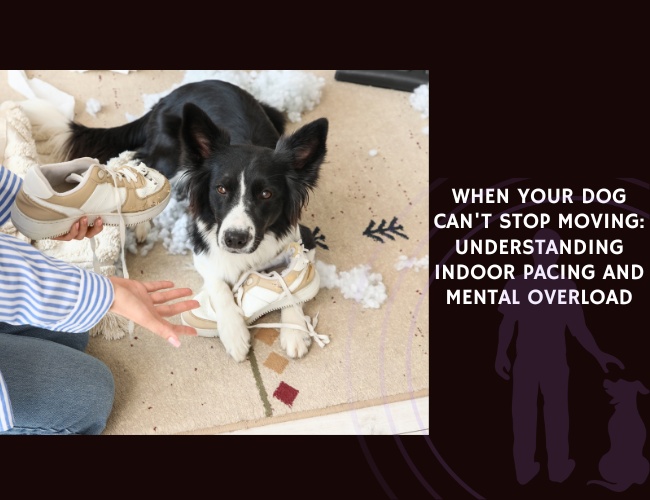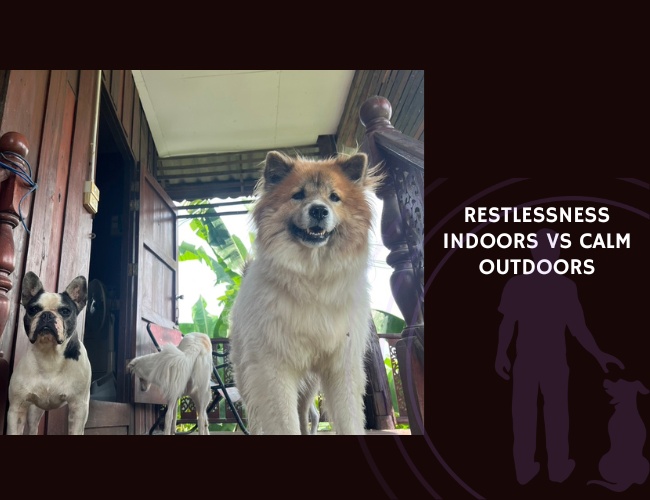
Introduction: A Tale of Two Environments
Have you ever noticed how your dog transforms the moment you step outside together? That restless energy, the pacing back and forth across your living room, the persistent whining at the window—it all melts away as soon as fresh air touches their face. Your furry friend, who seemed unable to settle just moments ago, becomes a picture of focused calm, walking attentively by your side, taking in the world with quiet confidence.
This striking transformation isn’t just your imagination. It’s a fascinating behavioral pattern that countless dog owners observe daily, yet few truly understand. The indoor-outdoor behavioral paradox reveals something profound about how our dogs experience their world, how their internal emotional states interact with their environment, and what this means for their overall well-being.
Through this exploration, let us guide you into the science behind this phenomenon. We’ll uncover how sensory input shapes arousal, why confinement can trigger restlessness even in a loving home, and how the invisible threads of emotional connection between you and your dog influence their behavior in ways you might never have imagined. By understanding these patterns, you’ll gain the tools to create a more harmonious life for your companion, whether indoors or out. 🧡
The Sensory Symphony: How Environment Shapes Experience
Understanding Your Dog’s Sensory World
Your dog doesn’t experience the world the way you do. While you might perceive your home as comfortable and safe, your dog’s sensory reality tells a completely different story. Their world is built primarily through scent—a dimension so rich and complex that we can barely comprehend it. That simple walk around the block? For your dog, it’s like reading an entire newspaper filled with stories about who passed by, what they ate, how they felt, and where they’re headed.
Outdoors, your dog encounters a sensory feast that engages every aspect of their perception:
Visual stimulation:
- Dynamic natural light shifting through leaves and changing throughout the day
- Movement of other animals, people, vehicles, and environmental elements
- High-contrast shadows and varied color patterns in nature
Olfactory richness:
- Thousands of scent molecules carried on moving air currents
- Layered scent stories from other animals who passed by
- Natural plant and earth smells that change with weather and season
Acoustic diversity:
- Birdsong and natural animal sounds
- Rustling leaves and branches creating rhythmic background
- Distant traffic, human activity, and urban soundscapes
- Wind patterns and weather-related acoustic shifts
Tactile variety:
- Different ground textures underfoot (grass, pavement, dirt, gravel)
- Temperature variations in sun and shade
- Wind and air movement against their fur
- Natural moisture from dew, rain, or humidity
Each element provides information, stimulation, and a sense of connection to the living world.
Indoors, by contrast, the sensory landscape becomes dramatically simplified. Artificial lighting lacks the full spectrum and natural rhythm of sunlight. Air circulation slows or becomes mechanical. The acoustic profile shifts to human-generated sounds—conversations, television, appliances—that rarely change in meaningful ways. Most critically, the olfactory environment becomes static, offering little new information to explore. This sensory deprivation, though unintentional, can profoundly impact your dog’s emotional state.
The Olfactory Deficit: When Noses Go Hungry
Think of your dog’s nose as their primary tool for understanding reality. While you might glance around a room and feel you’ve grasped its contents, your dog needs to smell a space to truly know it. This isn’t a preference—it’s a neurological necessity. The canine brain dedicates approximately 40 times more neural processing power to smell than the human brain, reflecting how fundamental this sense is to their cognitive and emotional functioning.
When confined indoors for extended periods, your dog experiences what we might call “olfactory hunger”—an under-stimulation of their most important sensory system. The indoor environment offers minimal scent diversity: the same furniture, the same floors, the same air circulation patterns day after day. There’s nothing new to investigate, no mysteries to solve, no stories to read in the air.
This limited sensory input doesn’t just bore your dog; it can actually trigger a state of frustration. The SEEKING system—that ancient neurological drive to explore, investigate, and discover—remains activated but unfulfilled. Your dog’s behavior tells the story:
Signs your dog is experiencing olfactory hunger:
- Pacing repeatedly through the same spaces looking for something new
- Intensely sniffing the same spots over and over hoping for change
- Fixating on doors and windows where outdoor scents enter
- Excessive interest in trash bins, laundry, or anything with novel smells
- Destructive behavior targeting items with strong scents
- Whining or vocalizing without obvious cause
- Inability to settle even after physical exercise
- Immediately rushing to sniff extensively when doors open
Your dog paces because they’re looking for something to find, something new to process, some way to satisfy that fundamental urge to engage with their environment. They whine not out of distress necessarily, but from the emotional equivalent of intellectual starvation. 🧠
Light, Air, and the Physics of Calm
Natural light does more than help your dog see—it regulates their internal clock, influences hormone production, and affects mood. The blue wavelengths present in morning sunlight help suppress melatonin and promote alertness, while the warm tones of evening light prepare the body for rest. Artificial indoor lighting, particularly the blue-heavy glow of screens and LED bulbs, disrupts these natural rhythms, potentially contributing to an underlying sense of dysregulation.
Airflow matters more than you might realize. Moving air carries scent molecules, provides cooling, and creates subtle changes in pressure that dogs can detect. Outdoors, even a gentle breeze creates a constantly shifting sensory experience. Indoors, stagnant or mechanically controlled air reduces environmental complexity and can contribute to a feeling of confinement that goes beyond physical walls.
Some researchers have even begun exploring whether electromagnetic noise—the constant buzz of WiFi routers, electronics, and household devices—might affect sensitive animals, though this remains an area requiring further investigation. What we do know is that the indoor environment presents a fundamentally different sensory profile, and your dog’s behavioral changes reflect their attempt to adapt to or escape from these conditions.
The Neuroscience of Restlessness: What’s Happening in Your Dog’s Brain
The Dance Between SEEKING and FEAR
Deep within your dog’s brain, ancient emotional systems are constantly evaluating their environment and generating appropriate responses. Two systems in particular help explain the indoor-outdoor paradox: the SEEKING system and the FEAR system.
The SEEKING system represents your dog’s innate drive to explore, investigate, and pursue rewards. Think of it as the neurological engine of curiosity and motivation. When activated in healthy ways, this system generates feelings of interest, anticipation, and engagement. Outdoors, with its endless novelty and opportunities for discovery, the SEEKING system hums along productively, keeping your dog focused and content.
The FEAR system, conversely, activates in response to perceived threats or uncertainty. In dangerous situations, this system is life-saving, triggering the fight-or-flight response. However, in modern domestic settings, the FEAR system can activate inappropriately in response to more subtle triggers: confinement without clear escape routes, unpredictable sounds, lack of control over the environment, or even just the chronic absence of stimulation.
Here’s where the paradox becomes clear: indoors, the SEEKING system remains active—your dog still wants to explore and engage—but the environment offers insufficient outlets. Simultaneously, the confined space and sensory monotony might trigger low-grade FEAR system activation, creating an uncomfortable state where your dog feels simultaneously understimulated and vaguely threatened. This neurological conflict manifests as restlessness, pacing, and agitation.
Outdoors, these systems find balance. The SEEKING system engages productively with abundant stimuli, while the FEAR system remains quiet in the face of familiar, predictable environments and the sense of freedom that open spaces provide. Through the NeuroBond approach, we understand that this neurological harmony represents not just behavioral calm, but genuine emotional well-being. 🧡
The Dopamine Dilemma: Reward Systems and Indoor Monotony
Dopamine, often called the “motivation molecule,” plays a crucial role in your dog’s emotional experience. This neurotransmitter surges when your dog anticipates or receives rewards—finding an interesting scent, encountering another dog, discovering food, or simply experiencing something novel. Dopamine doesn’t just make your dog feel good; it drives them to engage with their world and pursue rewarding experiences.
Outdoors, dopamine flows freely. Every few steps might bring a new scent, a shifting visual scene, a sound worth investigating. Each small discovery provides a micro-reward, keeping dopaminergic pathways active and your dog’s mood stable and positive. This consistent, low-level reward experience creates the focused calm you observe on walks.
Indoors, the dopamine landscape becomes barren. The environment holds few surprises. Your dog knows every corner, has sniffed every surface countless times, and finds minimal novelty to engage with. This dopaminergic drought can trigger behaviors that seem problematic but actually represent your dog’s attempt to self-stimulate—to create their own rewards in an unrewarding environment.
Pacing becomes a way to generate movement and spatial variation. Whining might elicit human attention, providing social reward. Destructive behavior, while unwanted, at least offers the sensory feedback of tearing materials and the novel scents released from damaged objects. These aren’t signs of disobedience or bad character; they’re symptoms of a brain desperately seeking the neurochemical engagement it evolved to require.

Parasympathetic Activation: The Safety Signal
Your dog’s autonomic nervous system operates in two primary modes: sympathetic (alert, active, ready to respond) and parasympathetic (calm, relaxed, restorative). True behavioral calm requires parasympathetic activation—the state where your dog’s body understands it’s safe to completely let down its guard.
Outdoors, particularly in natural settings, several factors promote parasympathetic engagement. The rhythmic nature of walking creates a meditative quality. The presence of natural elements—plants, earth, open sky—triggers ancient recognition patterns that signal safety. The freedom to move, investigate, and make choices about where to go and what to explore enhances your dog’s sense of agency and control.
Perceived safety isn’t just about the absence of threats; it’s about the presence of positive, predictable, life-affirming cues. Natural environments evolved alongside your dog’s ancestors and contain the sensory signatures their nervous systems interpret as “home.” The Invisible Leash reminds us that true guidance comes not from physical restriction, but from the emotional safety and mutual awareness that allows both human and dog to move through space with confidence.
Indoors, despite being objectively safe from predators or traffic, several factors can prevent full parasympathetic activation. The confinement itself—even in a spacious home—removes the option for extended movement or escape. Unexpected sounds (doorbell, appliances, neighbors) create unpredictability. The absence of natural rhythms and cues leaves your dog’s nervous system without clear safety signals.
Elements that promote parasympathetic activation indoors:
- Predictable daily routines that create a sense of security
- Your own calm, regulated nervous system state
- Comfortable, designated resting spots your dog controls
- Natural light cycles that honor circadian rhythms
- Gentle, rhythmic sounds (nature recordings, classical music)
- Freedom to move between spaces and choose locations
- Absence of startling, unpredictable noises
- Physical comfort (appropriate temperature, soft surfaces)
The result without these elements is a state of chronic low-grade alertness that prevents true relaxation, manifesting as restlessness even in the absence of obvious stressors.
The Human Element: How Your Energy Shapes Their Experience
Reading the Room: Canine Emotional Intelligence
Dogs possess extraordinary emotional intelligence, particularly when it comes to reading human states. Through thousands of years of co-evolution, dogs have become exquisitely attuned to human facial expressions, body language, vocal tones, and even chemical signals we unconsciously emit through scent. Your dog doesn’t just live alongside you; they’re constantly monitoring your emotional temperature and adjusting their own responses accordingly.
This ability serves an important evolutionary function. Dogs who accurately read human intentions and emotional states historically had better survival and reproductive success. Today, this translates into your dog picking up on your stress, anxiety, frustration, or calm with remarkable precision—often before you’re consciously aware of these states yourself.
Consider what typically happens indoors: you’re focused on tasks, screens, work, household management. Even when you believe you’re relaxed, you might carry subtle tension—jaw clenched, shoulders slightly raised, breathing shallow, mind racing through tomorrow’s obligations. Your dog senses all of this. They read your distracted energy, your underlying stress, your emotional unavailability, and they respond.
Signs your dog is mirroring your indoor stress:
- Their restlessness increases when you’re busy or distracted
- They settle more easily when you’re genuinely relaxed
- Pacing patterns match your movement through the house
- Vocalization increases during your phone calls or work sessions
- They seek attention more persistently when you’re emotionally unavailable
- Energy spikes coincide with your own tension or frustration
- Calm moments occur when you’re reading, meditating, or truly present
- They show hypervigilance when you’re anxious about something
Emotional Contagion: When Restlessness Mirrors Restlessness
Emotional contagion describes how emotions spread between individuals, particularly in close social bonds. In the confined space of your home, your dog doesn’t just observe your emotional state—they tend to mirror it. If you’re agitated, your dog often becomes agitated. If you’re anxious, they may display anxiety. This isn’t conscious imitation; it’s automatic neurological synchronization that happens between bonded individuals.
Think about your typical indoor interactions versus outdoor ones. Indoors, you might be multitasking, mentally elsewhere, responding to your dog’s presence with divided attention. The space itself constrains both of you, creating a pressure-cooker effect where your unprocessed emotions have nowhere to dissipate. Your dog, reading your scattered energy, mirrors that unsettled state.
Outdoors, something shifts. You’re present, focused on the walk, breathing more deeply, moving your body. The open space allows emotional expansion—both yours and your dog’s. Even if you’re still processing stress, the act of walking, the rhythm of movement, the exposure to nature all contribute to emotional regulation. Your dog senses this shift and responds in kind, becoming the calm, focused companion you hoped to see indoors.
This is where moments of Soul Recall become powerful. Your dog remembers—deeply, in their emotional memory—the feeling of walking beside a calm, present human. That memory becomes a touchstone, a state they seek to return to. When you consciously create that same energy indoors, you’re not just training behaviors; you’re activating positive emotional memories that help your dog access their own capacity for calm. 🧡
Creating Indoor Presence: The Art of Energetic Leadership
You might wonder: if the indoor environment inherently lacks the stimulation and space of outdoors, how can we expect our dogs to be calm inside? The answer lies partly in environmental modification (which we’ll explore shortly), but equally in how you show up emotionally within that space.
Dogs don’t just need physical exercise; they need energetic leadership—a calm, grounded presence that helps organize their own emotional experience. When you’re truly present—breathing fully, body relaxed, mind focused—you become an anchor point for your dog’s nervous system. Your calm becomes contagious in the same way your agitation once was.
This doesn’t mean suppressing your emotions or forcing artificial cheerfulness. Dogs sense inauthenticity immediately. Instead, it means learning to regulate your own nervous system, to notice when you’re carrying tension, and to consciously downshift into a more parasympathetic state. Simple practices like deep breathing, gentle movement, or even just pausing to truly see and acknowledge your dog can create profound shifts in the emotional atmosphere of your home.
The Invisible Leash operates here not as a physical tool, but as a principle: awareness, not tension, guides connection. When you cultivate that awareness indoors—staying emotionally present, maintaining calm energy, responding to your dog with genuine attention rather than distracted reaction—you create an environment where your dog’s nervous system can begin to relax, regardless of the physical limitations of the space.
Spatial Design: Reimagining Indoor Environments for Canine Wellness
The Architecture of Calm: Layout and Light
The physical design of your living space profoundly impacts your dog’s emotional experience. While you can’t always restructure your home dramatically, understanding key principles can guide meaningful modifications that support your dog’s well-being.
Spatial design principles that reduce confinement stress:
- Open sight lines between rooms so your dog can see through spaces
- Multiple movement pathways rather than single narrow corridors
- Furniture arranged to create flow, not barriers
- Access to windows at your dog’s eye level for environmental observation
- Clear entry and exit points from each space
- Varied ceiling heights or spatial volumes if possible (creates environmental complexity)
- Designated “safe zones” your dog can retreat to independently
- Remove unnecessary obstacles that restrict natural movement patterns
Natural light deserves serious consideration. Dogs evolved under the sun, and their biological systems expect that full-spectrum input. Position your dog’s favorite resting spots near windows where they can observe outside activity and receive natural light exposure. Consider how the quality of light changes throughout the day and how this might affect your dog’s energy levels and emotional state.
Even the colors and textures in your space matter. While dogs see fewer colors than humans, they’re highly responsive to contrast, texture, and spatial variety. Breaking up monotonous surfaces with varied materials—a washable rug in one area, a smooth floor in another, perhaps a textured mat near their water bowl—provides subtle sensory differentiation that can reduce environmental monotony.
Enriched Scent Zones: Feeding the Olfactory Appetite
Since olfactory deprivation represents such a significant aspect of indoor restlessness, creating “scent zones” can dramatically improve your dog’s indoor experience. This doesn’t require elaborate setups; small, intentional modifications can provide the olfactory engagement your dog craves.
Creative scent enrichment ideas for indoor spaces:
- Rotate toys weekly, storing unused ones in sealed containers to preserve novelty
- Create scent trails using diluted broth or treat essence
- Use snuffle mats with different treat types to vary the olfactory experience
- Introduce natural materials: untreated wood pieces, pinecones, dried herbs
- Place different textured fabrics in rotation (each carries unique scent profiles)
- Safe essential oil diffusion: lavender, chamomile (heavily diluted, used sparingly)
- Freeze treats in ice cubes for extended engagement and scent release
- Scatter feeding in different locations to encourage room-to-room exploration
- Bring outdoor elements inside: grass clippings, safe leaves, branches
- Use puzzle feeders with varied food types to create olfactory interest
Rotation is key. If your dog has the same toys in the same places every day, they become olfactory wallpaper—present but meaningless. Consider keeping some toys in a closed container and rotating them weekly. When a toy emerges after a week away, it carries new scents, making it interesting again. The same principle applies to bedding; having two or three options you rotate maintains novelty.
Snuffle mats, puzzle feeders, and scent work activities transform feeding time from a quick bowl-emptying into an engaging olfactory experience. Hiding small treats around your home creates a hunting game that activates your dog’s SEEKING system appropriately. Even simple cardboard boxes with treats inside offer temporary olfactory challenges that provide mental stimulation and reduce boredom.
Natural materials bring outdoor scents inside. A basket of safe, untreated wood pieces, pinecones collected on walks, or even just opening windows regularly to allow fresh air circulation can significantly enhance your dog’s sensory environment. Some owners find that safe, dog-appropriate essential oils (lavender, chamomile) used very sparingly in diffusers can create a calming olfactory atmosphere, though this requires careful research and moderation.
Airflow and Microclimate: The Invisible Environment
Temperature, humidity, and air movement create an invisible but powerful dimension of environmental experience. Dogs regulate temperature differently than humans, and what feels comfortable to you might not suit your dog’s needs.
Ventilation matters enormously. Opening windows when weather permits doesn’t just provide fresh air; it creates dynamic air currents that carry scent information and create sensory variation. Even when outdoor air quality or temperature makes open windows impractical, strategically placed fans can create air movement that prevents the stagnant feeling of sealed spaces.
Temperature zones give your dog choices. If possible, maintain areas with different thermal profiles—a warmer spot for resting, a cooler space for when they’re overheated. This autonomy to select their microclimate reduces stress and enhances their sense of control over their environment.
Consider the acoustic environment as well. Constant television or music can become stressful background noise rather than soothing ambiance. Periods of quiet, broken only by natural sounds from open windows, allow your dog’s auditory system to relax. Conversely, gentle nature sounds or classical music specifically composed for canine listeners can mask sudden startling noises that trigger alertness. 🧠
Still walls. Silent air. Stirred mind.
Outdoors regulates what indoors restricts. The open world floods your dog’s senses with movement, scent, and natural rhythm—the nervous system finds coherence in variation.
Inside, stimuli stagnate. Recycled air, static smells, and artificial light strip context from perception. Without sensory narrative, energy loops inward as restlessness.
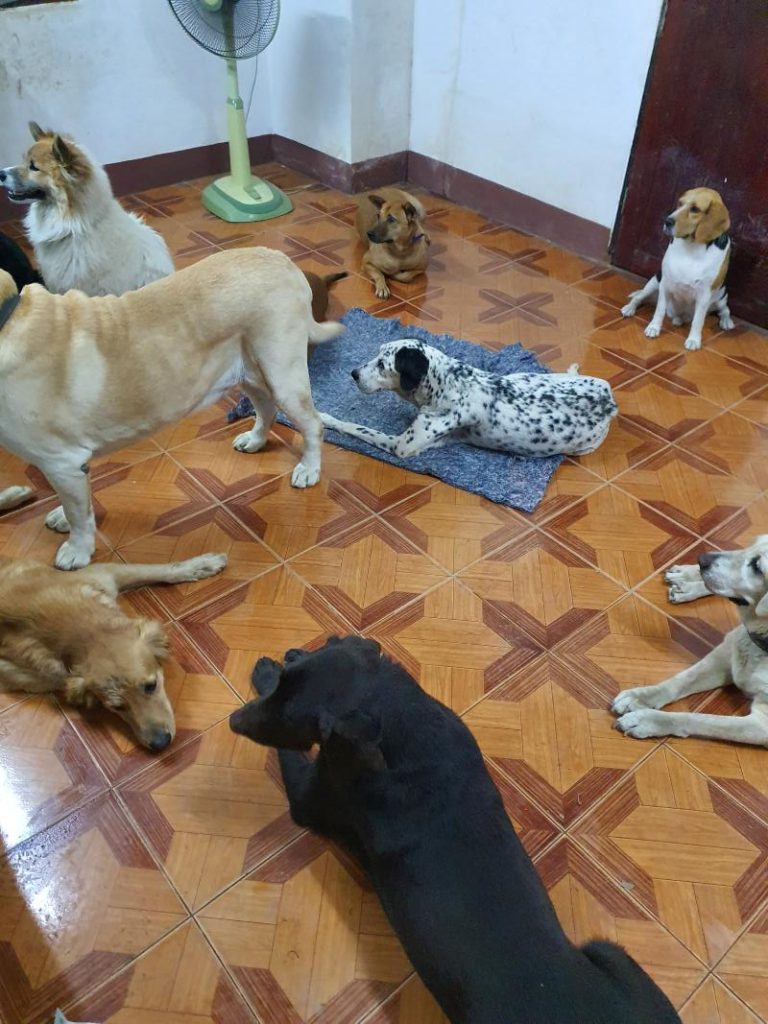

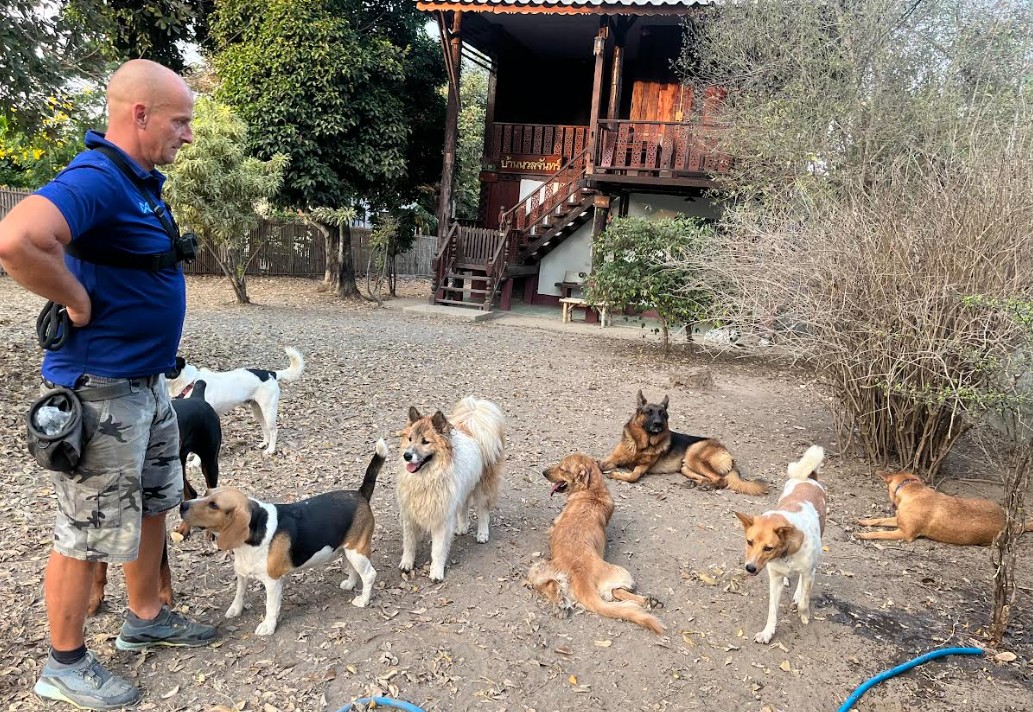
Balance begins with flow. Bring texture, scent, and light back into the home—open windows, vary routines, add scent work and movement. Calm isn’t taught; it’s remembered through harmony with environment.
Training and Daily Practice: Building Indoor Calm
Micro-Adventures: The Power of Structured Sensory Walks
One of the most effective interventions for indoor restlessness is also one of the simplest: brief, structured sensory walks strategically placed throughout the day. These aren’t necessarily long or physically demanding; rather, they’re focused experiences designed to provide the sensory and exploratory engagement your dog needs to maintain emotional equilibrium.
Characteristics of an effective micro-adventure:
- Duration: 10-15 minutes focused entirely on sensory experience
- Pace: Slow, allowing extensive sniffing at your dog’s chosen spots
- Route choice: Let your dog lead within safe boundaries
- Human presence: Fully attentive, not distracted by phone or thoughts
- Goals: Sensory satisfaction and mental stimulation, not distance covered
- Timing: Before challenging periods (work hours, evening tasks, bedtime)
- Variety: Different routes provide different olfactory landscapes
- Minimal interruption: Allow natural pauses for deep investigation
A “micro-adventure” might last only ten to fifteen minutes, but those minutes are dedicated entirely to your dog’s sensory experience. This means walking slowly, allowing extensive sniffing, letting your dog choose the route within safe boundaries, and minimizing your own agenda about distance or speed. The goal isn’t exercise; it’s sensory satisfaction and mental stimulation.
Timing matters. A micro-adventure before periods you know will be challenging—before you leave for work, before evening when you need to focus on tasks, before bedtime—can prevent frustration buildup. These walks essentially “fill the tank” of your dog’s sensory and exploratory needs, making subsequent indoor time more manageable for everyone.
Through the NeuroBond framework, these walks become more than just sensory experiences; they’re opportunities for emotional co-regulation and connection. When you walk together with full presence, breathing in rhythm, moving through space as a coordinated team, you strengthen the emotional bond that helps your dog feel secure and satisfied even when back indoors.
🏠 ➔ 🌳 The Indoor-Outdoor Behavioral Paradox
Understanding Why Your Dog Transforms from Restless to Calm When Stepping Outside
Phase 1: Recognition
Identifying the Paradox in Your Home
What You’re Observing
Your dog paces, whines, or shows hyperactive behaviors indoors, yet transforms into a composed, attentive companion the moment you step outside. This dramatic shift isn’t random—it reflects a profound interaction between your dog’s internal emotional state and their surrounding environment.
Common Indoor Behaviors
• Repetitive pacing through the same rooms
• Persistent whining without obvious cause
• Inability to settle even after exercise
• Fixation on doors and windows
• Seeking constant attention or interaction
First Steps
Begin observing when restlessness occurs most intensely. Keep a brief journal noting times of day, preceding activities, and environmental conditions. This awareness forms the foundation for understanding your dog’s unique patterns.
Phase 2: Sensory Analysis
Understanding Your Dog’s Sensory World
The Olfactory Deficit
Dogs dedicate 40 times more neural processing power to smell than humans. Indoors, the olfactory environment becomes static—same furniture, same floors, same air. This sensory deprivation triggers what we call “olfactory hunger,” activating the SEEKING system without providing satisfaction.
Outdoor Sensory Feast
• Dynamic natural light through full spectrum
• Thousands of scent molecules on air currents
• Diverse acoustic profiles from nature
• Varied textures and temperatures
• Constant environmental novelty
Action Step
Create “scent zones” indoors by rotating toys weekly, using snuffle mats, and introducing natural materials like pinecones or safe wood pieces. Open windows regularly to allow dynamic air circulation.
Phase 3: Neurological Understanding
What’s Happening in Your Dog’s Brain
SEEKING vs. FEAR Systems
The SEEKING system drives exploration and curiosity. Outdoors, it engages productively with abundant stimuli. Indoors, it remains active but unfulfilled. Simultaneously, confined spaces may trigger low-grade FEAR system activation, creating neurological conflict that manifests as restlessness.
The Dopamine Dilemma
Outdoor novelty triggers consistent dopamine release—every new scent, sound, or sight provides micro-rewards. Indoors, this dopaminergic landscape becomes barren. Pacing, whining, and destructive behaviors represent your dog’s attempt to self-stimulate in an unrewarding environment.
Training Integration
Through the NeuroBond approach, we understand that training isn’t about suppressing natural drives but channeling them appropriately. Provide puzzle feeders, scatter feeding, and scent work games that activate the SEEKING system productively indoors.
Phase 4: Human-Dog Emotional Dynamics
Recognizing Your Role in the Paradox
Emotional Contagion
Your dog constantly monitors your emotional state through facial expressions, body language, and even chemical signals. Indoors, your distracted energy, underlying stress, and emotional unavailability become contagious. Your dog doesn’t just observe your state—they mirror it.
The Outdoor Shift
Outdoors, you naturally become more present—breathing deeply, moving rhythmically, focusing on the walk. This shift in your energy directly influences your dog’s nervous system. They sense your calm and respond accordingly, accessing their own capacity for regulation.
Presence Practice
Before interacting with your dog, take three deep breaths and release shoulder tension. Feel your feet on the ground. This simple practice creates the energetic leadership your dog needs. The Invisible Leash operates through awareness, not tension.
Phase 5: Spatial Redesign
Creating Indoor Environments for Canine Wellness
Layout Principles
Open sight lines between rooms reduce confinement feelings. Multiple movement pathways instead of single corridors provide spatial freedom. Position resting spots near windows for natural light exposure and environmental observation opportunities.
Sensory Enrichment Zones
• Rotation schedule for toys and bedding
• Natural materials basket (pinecones, safe wood)
• Varied texture surfaces (carpet, rubber, blankets)
• Strategic fan placement for air movement
• Temperature zones for thermal choice
Implementation Week
Start by opening windows when possible, rearranging furniture for better flow, and establishing a toy rotation schedule. Small modifications create significant impact when applied consistently over time.
Phase 6: Structured Sensory Walks
The Power of Micro-Adventures
What Makes It Effective
Micro-adventures are 10-15 minute walks focused entirely on sensory experience rather than distance or exercise. Slow pace, extensive sniffing, dog-chosen routes within boundaries. These walks “fill the tank” of exploratory needs, preventing indoor frustration buildup.
Strategic Timing
Schedule micro-adventures before challenging periods: before work, before evening focus time, before bedtime. This proactive approach prevents restlessness rather than reacting to it after it develops.
Connection Opportunity
These walks become more than sensory experiences—they’re moments of Soul Recall. Your dog remembers the feeling of walking beside a calm, present human, creating emotional touchstones that help them access calm even when back indoors.
Phase 7: Daily Enrichment Protocol
Engaging Natural Behaviors Indoors
Food-Based Activities
Transform meals into engaging experiences: frozen stuffed toys (20-30 minutes), puzzle feeders requiring problem-solving, scatter feeding across rooms, snuffle mats for intensive olfactory work. These tap into the SEEKING system appropriately.
Mental Stimulation
• Brief training sessions (5-10 minutes, multiple daily)
• Scent work games hiding treats or toys
• Trick practice for cognitive engagement
• Appropriate chew items for calming focus
• Texture exploration opportunities
The Calm Protocol
Notice and reward settled behavior throughout the day. Small treats delivered calmly when your dog is lying down or sitting quietly build positive associations with calm states, teaching that relaxation itself is rewarding.
Phase 8: Assessment & Adaptation
Monitoring Progress and Refining Approach
Success Indicators
Faster settling after outdoor time, active engagement with enrichment rather than ignoring it, shorter restlessness episodes, improved training focus, more relaxed body positions (side-lying, soft eyes), and reduced reactions to household sounds.
Red Flags
If restlessness persists despite interventions, accompanied by pain signs, appetite changes, or worsening patterns, consult a veterinarian. Some agitation reflects health issues rather than environmental factors.
Ongoing Refinement
Reassess every few months as your dog’s needs evolve with age, season, and circumstances. What works brilliantly for a month may require refreshing. The goal is sustainable balance, not perfect stillness.
🔍 Understanding Different Manifestations
Border Collies, Australian Shepherds, Belgian Malinois show intense SEEKING activation indoors. Require multiple daily micro-adventures plus mental challenges. High sensitivity to sensory deprivation.
Scent Hounds
Beagles, Bloodhounds, Bassets experience profound olfactory hunger indoors. Benefit dramatically from scent work games, snuffle mats, and nose-focused enrichment activities.
Companion Breeds
Cavaliers, Havanese, Bichons show greater indoor adaptability but still benefit from enrichment. More sensitive to human emotional states and emotional contagion effects.
Puppies (0-12 months)
Highest novelty needs with developing SEEKING systems. Require frequent short sensory experiences. Indoor restlessness often peaks at 4-8 months during adolescent development.
Adult Dogs (1-7 years)
Show stable patterns responsive to environmental modifications. Most benefit from 2-3 daily micro-adventures plus structured enrichment. Establish predictable routines.
Senior Dogs (7+ years)
Shifting needs with potential cognitive changes. May show increased nighttime restlessness. Require gentler sensory enrichment and enhanced environmental predictability.
⚡ Quick Reference Formula
Indoor Calm = (Sensory Enrichment + Micro-Adventures + Human Presence) × Consistency
Minimum Daily Requirements:
• 2-3 micro-adventures (10-15 min each, sensory-focused)
• 3-4 enrichment activities (puzzle feeders, scent work, training)
• 5+ minutes of conscious presence practice
• Window access for environmental observation
• Toy/bedding rotation weekly
Remember: Quality of outdoor time matters more than quantity. A 15-minute sensory-rich walk provides more neurological satisfaction than 45 minutes of fast-paced exercise without olfactory engagement.
🧡 The Essence of Integration
The indoor-outdoor paradox teaches us that true harmony emerges not from controlling our dogs’ behavior, but from understanding their fundamental needs and meeting them with awareness and intention. Through the NeuroBond framework, we recognize that emotional co-regulation between human and dog creates stability regardless of physical context. When we cultivate presence indoors—bringing the same quality of awareness we naturally have on walks—we activate those moments of Soul Recall that help our dogs access calm from within.
The Invisible Leash reminds us that guidance flows through connection, not restriction. Whether indoors or out, when we understand our dogs’ sensory world, honor their neurological drives, and show up with regulated, present energy, we create the conditions for genuine well-being. The goal isn’t perfecting their behavior—it’s deepening our understanding and refining our response to their authentic needs.
This is where science meets soul: in the recognition that behavioral change emerges from environmental thoughtfulness, neurological understanding, and above all, the quality of presence and connection we bring to every moment we share with our dogs.
© Zoeta Dogsoul – Where neuroscience meets soul in dog training
Indoor Enrichment: Bringing Nature Inside
While outdoor experiences remain irreplaceable, thoughtful indoor enrichment can partially bridge the sensory gap. The key is providing activities that engage your dog’s natural behaviors—searching, chewing, problem-solving, and exploring—rather than just passive toys.
Effective indoor enrichment activities:
- Frozen stuffed toys: Extended effort required, engages licking and problem-solving (20-30 minutes engagement)
- Puzzle feeders: Demand cognitive work, satisfy the SEEKING system (varies by complexity)
- Scatter feeding: Transform meals into foraging activities across rooms (5-10 minutes)
- Snuffle mats: Intensive olfactory work, calming and satisfying (10-15 minutes)
- Cardboard box destruction: Allows natural tearing behavior with hidden treats (5-10 minutes)
- Training sessions: Mental stimulation without physical space (5-10 minutes, multiple daily)
- Scent work games: Hide treats or toys, engage natural tracking abilities (10-15 minutes)
- Texture exploration: Provide various surfaces to investigate and rest on (ongoing)
- Appropriate chew items: Calming, meditative oral engagement (20-60 minutes)
- Food-dispensing toys: Self-directed entertainment and reward (15-30 minutes)
Food-based enrichment offers the highest value for most dogs. This approach taps into the SEEKING system appropriately, providing the neurological satisfaction of successful foraging.
Texture variety creates sensory interest. A collection of different surfaces—carpet samples, rubber mats, textured blankets—arranged in a designated area gives your dog tactile choices and breaks up environmental monotony. Some dogs enjoy crinkly materials, others prefer smooth or plush surfaces; observing your dog’s preferences guides your choices.
Chewing opportunities are essential. Appropriate chew items satisfy the oral engagement many dogs crave and provide a calming, meditative activity. Rotating different textures and flavors—natural bones, rubber toys, safe wood, dental chews—maintains interest and provides varied sensory experiences.
Mental stimulation activities like training sessions, trick practice, or scent work games engage your dog’s cognitive abilities without requiring extensive space or physical exertion. Even just five minutes of focused training—teaching a new cue, practicing existing skills, or playing simple problem-solving games—can provide significant mental satisfaction that reduces restless energy.
The Calm Protocol: Teaching Settled Behavior
One often-overlooked aspect of indoor restlessness is that many dogs simply haven’t been taught what calm, settled behavior looks like indoors. If every indoor moment with human presence means exciting interaction, your dog never learns that sometimes the appropriate behavior is simply… being.
The “Calm Protocol” involves systematically rewarding settled behavior. This doesn’t mean only rewarding complete stillness; it means noticing and reinforcing the moments when your dog is relatively calm—lying down near you, sitting quietly, standing still for a moment. Small treats delivered calmly, without exciting fanfare, during these moments begin to build a positive association with settled behavior.
Gradually, you extend the duration between rewards, teaching your dog that sustained calm brings continued reinforcement. This isn’t about forcing stillness; it’s about showing your dog that choosing to relax is itself rewarding. Over time, this protocol helps your dog develop the capacity for what trainers call “default calm”—the ability to settle without constant direction.
This approach works particularly well when combined with your own parasympathetic presence. Your dog learns that when you’re calm and settled, the appropriate response is matching that energy, not attempting to create stimulation through interaction. The Invisible Leash operates here as mutual awareness: you’re aware of when to reinforce calm, and your dog becomes aware that calm states are valuable and worthy of choice. 🧡
Health and Welfare: The Bigger Picture
Recognizing Distress vs. Temperament
Not all indoor restlessness reflects the environmental factors we’ve discussed. Sometimes, persistent agitation indicates underlying health issues or temperament factors requiring different approaches. Learning to distinguish between situational restlessness and deeper concerns is crucial for your dog’s welfare.
Warning signs that restlessness may be health-related:
- Pacing that continues even with enrichment and outdoor time
- Inability to settle in any environment, not just indoors
- Restlessness accompanied by whining, panting, or signs of pain
- Sudden onset of agitation in previously calm dogs
- Reluctance to be touched or handled in specific areas
- Changes in appetite, water consumption, or elimination patterns
- Disrupted sleep cycles or nighttime pacing
- Behavioral changes in senior dogs (possible cognitive dysfunction)
- Excessive licking, scratching, or attention to body parts
- Restlessness that worsens progressively over time
Health-related restlessness often presents differently than environmental boredom. A dog in pain might pace but refuse to settle even when offered enrichment or outdoor time. They might show other signs—reluctance to be touched in certain areas, changes in appetite, disrupted sleep, or unusual vocalizations. Joint pain, digestive discomfort, neurological issues, or cognitive dysfunction in senior dogs can all manifest as apparent behavioral problems.
Anxiety disorders represent another category requiring specialized intervention. Some dogs experience genuine anxiety disorders—separation anxiety, generalized anxiety, noise phobias—that go beyond normal responses to environmental limitations. These conditions typically show extreme intensity, persistence despite environmental modifications, and often benefit from combined behavioral intervention and, when appropriate, veterinary-guided pharmaceutical support.
Breed-specific tendencies also play a role. Working breeds developed for constant activity, herding breeds with strong movement drives, and terriers bred for intense focus and persistence may naturally struggle more with indoor confinement than breeds selected for companionship and calm household presence. Understanding your dog’s genetic heritage helps set realistic expectations and guides appropriate management strategies.
The Welfare Imperative: Meeting Core Needs
From a welfare perspective, we must acknowledge that the indoor-outdoor paradox reflects a genuine challenge in meeting canine needs within human lifestyles. Dogs evolved as ranging animals who covered substantial distances daily, engaged in complex social interactions, solved problems related to finding food and shelter, and experienced rich sensory environments. Modern domestic life, particularly in urban settings, dramatically restricts these fundamental expressions of dog nature.
This doesn’t mean pet ownership is inherently problematic, but it does mean we bear responsibility for thoughtfully addressing the gaps between how dogs evolved to live and how we ask them to live. The indoor restlessness you observe isn’t stubbornness or misbehavior; it’s often your dog communicating that their core needs remain unmet.
The five welfare domains—nutrition, environment, health, behavior, and mental state—provide a useful framework. While we typically ensure good nutrition and healthcare, the environmental, behavioral, and mental state domains often receive insufficient attention. A dog confined indoors with limited enrichment may have food, water, and medical care, but their welfare remains compromised if environmental complexity, behavioral expression, and positive mental states are absent.
Addressing the indoor-outdoor paradox, then, becomes not just a training challenge but an ethical commitment to comprehensive welfare. It requires ongoing assessment of whether your dog’s life provides adequate opportunities for species-appropriate behavior, sensory engagement, physical activity, social interaction, and autonomous choice-making.
Senior Dogs: Special Considerations
The indoor-outdoor dynamic shifts as dogs age. Senior dogs often show decreased interest in extended outdoor activity due to joint pain, reduced stamina, or sensory decline. However, they still require environmental engagement appropriate to their changing capabilities.
Older dogs might actually become more restless indoors as cognitive function declines, a condition called canine cognitive dysfunction syndrome. This manifests as disorientation, disrupted sleep-wake cycles, house soiling, and increased anxiety, particularly in the evening (sundowning). These dogs need modified environments with increased predictability, enhanced sensory cues (higher contrast, stronger scents), and sometimes pharmaceutical support.
Conversely, some senior dogs show increased outdoor anxiety—previously confident dogs becoming fearful or overwhelmed by stimuli their declining senses can’t process as efficiently. These dogs might actually prefer indoor environments that they know well and find predictable, provided those spaces offer appropriate enrichment and comfort. 🧠
Practical Implementation: A Roadmap for Change
Assessment: Understanding Your Specific Situation
Before implementing changes, take time to truly observe and understand your dog’s patterns. Keep a brief journal for a week, noting:
Essential observation questions for understanding your dog’s patterns:
Temporal patterns:
- What times of day does restlessness peak?
- Does it worsen before meals, walks, or your departure?
- Are there specific hours when your dog settles easily?
- How does weekend behavior differ from weekdays?
Trigger identification:
- What specific events precede restless episodes?
- Does your activity level affect their behavior?
- Do weather changes correlate with indoor agitation?
- Does increased household activity trigger more restlessness?
Calm state analysis:
- Under what circumstances does your dog settle indoors?
- Which rooms or locations do they prefer for rest?
- Does your emotional state affect their calm?
- What activities help them transition to settled behavior?
Behavioral manifestations:
- Is the restlessness pacing, whining, destructive behavior, or attention-seeking?
- Does it include physical signs like panting or excessive yawning?
- How persistent is the behavior once it starts?
- Can it be interrupted, or does it continue regardless of intervention?
Outdoor correlation:
- How do longer walks affect subsequent indoor behavior?
- Does the type of outdoor experience matter (sniffing vs. exercise vs. social)?
- How many hours of calm follow different outdoor activities?
- Does the time of day for walks impact indoor behavior patterns?
This observational period helps you identify patterns specific to your dog and situation, allowing targeted interventions rather than generic approaches.
The Three-Week Implementation Plan
Week One: Environmental Modifications
Begin by addressing the sensory environment. Open windows when possible, rearrange furniture to create better sight lines and movement pathways, establish a rotation schedule for toys and bedding, and add textured surfaces if needed. Observe how these changes affect your dog’s behavior.
Simultaneously, start increasing the quality (not necessarily duration) of outdoor time. Implement at least two micro-adventures daily—ten to fifteen minutes focused entirely on your dog’s sensory experience, with ample sniffing opportunities and minimal agenda beyond connection and exploration.
Week Two: Enrichment and Activity
Introduce structured enrichment activities. Start each morning with a puzzle feeder or snuffle mat rather than a simple bowl. Add one brief training session daily, working on new skills or practicing existing ones. Provide appropriate chew items available at specific times.
Begin the Calm Protocol: notice and reward settled behavior throughout the day without making a big production of it. Small treats delivered calmly when your dog is lying down, sitting quietly, or simply being still help build positive associations with calm states.
Week Three: Integration and Refinement
Continue all previous interventions while adding the human component. Practice conscious presence when interacting with your dog. Before engaging with them, take three deep breaths, release tension from your shoulders, and bring your awareness fully into your body. Notice how your emotional state affects their behavior.
Experiment with your own energy during indoor time. Can you maintain the same quality of presence indoors that you naturally have on walks? Can you consciously downshift into a more parasympathetic state, and does this shift affect your dog’s restlessness?
By week three, you should notice patterns emerging—which interventions provide the most benefit for your specific dog, which times of day remain most challenging, and what combination of environmental, enrichment, and energetic factors creates optimal indoor calm.
Maintenance and Adaptation
Creating sustainable change requires ongoing attention and adaptation. What works brilliantly for a month might become less effective as novelty wears off, requiring fresh approaches. Seasonal changes affect both outdoor access and indoor comfort, necessitating adjustments throughout the year.
The goal isn’t perfect indoor calm every moment; that’s unrealistic and potentially even unnatural for a healthy, aware dog. Rather, you’re working toward a balanced state where your dog can settle appropriately indoors while still maintaining alertness to their environment, and where episodes of restlessness are manageable, understandable, and addressable rather than constant and overwhelming.
Regular reassessment every few months helps you notice what’s working, what needs adjustment, and how your dog’s needs might be evolving with age, season, or life circumstances. That balance between science and soul—between understanding the mechanisms and honoring the emotional relationship—that’s the essence of Zoeta Dogsoul. 🧡
The Science Behind the Soul: Theoretical Foundations
Affective Neuroscience: The Emotional Operating System
Understanding the indoor-outdoor paradox requires acknowledging that dogs possess complex emotional lives governed by ancient neural circuits. Affective neuroscience research identifies core emotional systems that all mammals share: SEEKING (exploration and curiosity), FEAR (threat response), RAGE (frustration and competition), PLAY (social joy and engagement), CARE (nurturing bonds), and PANIC/GRIEF (separation distress).
The indoor-outdoor behavioral shift reflects differential activation of these systems across contexts. Outdoors, the SEEKING system engages productively, exploring novel environments and discovering rewards. The PLAY system might activate through social encounters or joyful movement. FEAR and RAGE systems typically remain quiet in familiar, safe outdoor spaces.
Indoors, this balance shifts. The SEEKING system activates—your dog still wants to explore—but finds insufficient outlets, leading to frustration. Limited space and autonomy might trigger low-grade RAGE circuit activation. Chronic under-stimulation can even activate PANIC/GRIEF circuits, as social mammals experience isolation and confinement as forms of abandonment even when physically present with their humans.
This framework helps us understand that “training out” indoor restlessness misses the point. We’re not dealing with learned misbehavior but with emotional systems responding appropriately to inadequate environments. The solution isn’t suppression but rather environmental and relational modifications that allow healthier emotional system engagement.
Sensory Ecology: Living Through Sensation
Sensory ecology examines how organisms’ sensory systems adapt to their ecological niches. Dogs evolved as wide-ranging carnivores operating primarily through scent, with vision and hearing as supporting systems. Their entire perceptual world centers on olfactory information, movement detection, and social communication.
The typical indoor environment represents profound sensory mismatch. Limited space restricts movement, artificial lighting reduces visual information quality, stagnant air minimizes olfactory input, and human-dominated acoustic profiles replace natural sound diversity. From a sensory ecology perspective, asking a dog to thrive indoors without modification is like asking a human to live in a sensory deprivation chamber—possible for brief periods, but inherently stressful long-term.
This perspective emphasizes that solutions must address sensory needs directly. Exercise alone doesn’t solve the problem if it doesn’t provide sensory richness. Physical exhaustion without sensory satisfaction may calm a dog temporarily but doesn’t build the capacity for sustainable indoor wellbeing.
Environmental Psychology: Space, Agency, and Control
Environmental psychology explores how physical surroundings affect psychological functioning. Key concepts include environmental stress (when surroundings exceed adaptive capacity), learned helplessness (when individuals cannot control their environment), and environmental mastery (the wellbeing derived from appropriate control over one’s surroundings).
Confined spaces, particularly those lacking complexity and choice, reduce agency and control. When your dog cannot choose to leave, cannot access novel experiences, and cannot modify their environment, they experience what researchers call “environmental stress.” This isn’t necessarily extreme distress, but rather a chronic low-grade strain from environmental conditions that don’t meet psychological needs.
Outdoors, even on a leash, dogs experience greater agency. They can choose which direction to sniff, how long to investigate interesting areas (within reason), and what pace to maintain. This sense of control, however modest, contributes significantly to psychological wellbeing. Creating indoor environments that offer meaningful choices—different resting areas, self-service water stations, accessible toys, rooms to move between—restores some of that essential sense of agency.
Polyvagal Theory: The Neurobiology of Safety
Polyvagal theory describes how the vagus nerve—a major component of the parasympathetic nervous system—regulates emotional and physiological states based on perception of safety or threat. The theory identifies three hierarchical neural circuits: social engagement (calm connection), mobilization (fight or flight), and immobilization (freeze or shutdown).
True calm requires activation of the ventral vagal complex, associated with social engagement, rest, and restoration. This system activates only when the organism perceives complete safety through specific environmental and social cues: facial expressions (in social species), vocal prosody, predictable rhythms, absence of threat signals, and presence of safe others.
The indoor environment often fails to provide these safety signals effectively. Unpredictable sounds, confinement, lack of natural rhythms, and even human distraction can prevent full ventral vagal activation, leaving dogs stuck in subtle mobilization—not panicked, but unable to fully relax. Outdoors, natural environmental cues, rhythmic movement, and often more present human companionship more readily signal safety, allowing parasympathetic dominance.
This framework suggests that creating indoor calm requires not just reducing threats but actively providing safety signals: predictable routines, calm human presence, natural rhythms in light and activity, and physical comfort that allows the body to truly let go.
Connection and Consciousness: The Path Forward
Beyond Training: Relationship as Foundation
Traditional training approaches treat behaviors as isolated actions to be modified through reward and consequence. While these techniques have value, they miss something essential: your dog’s behavior emerges from their emotional state, which in turn emerges from their environment and relationship with you.
Addressing the indoor-outdoor paradox, therefore, becomes less about “training indoor calm” and more about cultivating the conditions—environmental, sensory, and relational—that allow calm to emerge naturally. This shift from control to cultivation represents a fundamental change in how we understand our role in our dogs’ lives.
You’re not just a training technician applying behavioral protocols. You’re a partner in an interspecies relationship where both parties affect each other’s emotional states, where awareness and presence matter as much as technique, and where the goal is mutual wellbeing rather than one-sided compliance.
The Practice of Presence
Presence—genuine, embodied awareness—represents perhaps the most powerful tool you have for influencing your dog’s emotional state. When you’re truly present—not thinking about yesterday or tomorrow, not mentally elsewhere while physically here, not performing presence while inwardly distracted—your nervous system calms, your energy shifts, and your dog senses the difference immediately.
Practical presence practices for emotional co-regulation:
- Three-breath reset: Before interacting with your dog, take three deep breaths, release shoulder tension
- Body awareness: Feel your feet on the ground, notice where you’re holding tension
- Conscious arrival: When entering your home, pause at the door to shift from external to internal energy
- Eye contact moments: Offer genuine, soft eye contact rather than distracted glances
- Movement meditation: Make your walking together a practice in synchronized rhythm
- Technology boundaries: Designate phone-free times for genuine dog interaction
- Emotional check-ins: Notice your internal state before responding to your dog’s behavior
- Breath matching: Consciously slow and deepen your breathing when your dog shows agitation
- Grounding exercises: Touch surfaces mindfully, name objects you see, engage your senses fully
- Transition rituals: Create small practices that signal to both of you that you’re becoming present
This isn’t mystical; it’s neurobiology. Calm, coherent nervous systems literally entrain other nearby nervous systems through mechanisms including pheromones, synchronized breathing, matched heart rate variability, and social neurological circuits designed to read and respond to others’ states. Your presence becomes the environmental modification that matters most.
Practicing presence doesn’t require elaborate techniques. It means: taking a breath before interacting with your dog, feeling your feet on the ground when you walk together, noticing when you’re carrying tension and consciously releasing it, and being aware of your emotional state and how it might be affecting your furry friend.
Over time, these moments of conscious presence build what we might call relational safety—your dog learns at a deep level that you’re a steady, reliable, emotionally regulated partner. This sense of safety then becomes portable, something they can access even when circumstances are challenging. Those moments of Soul Recall we discussed earlier become powerful precisely because they’re rooted in genuine connection, not just behavioral conditioning. 🧡
Building the Bridge: Indoor and Outdoor as One Continuum
Ultimately, the indoor-outdoor paradox represents artificial separation in your dog’s experience. The goal isn’t creating one behavior pattern for indoors and another for outdoors, but rather helping your dog develop an integrated capacity for emotional regulation that serves them in all contexts.
This means bringing outdoor qualities indoors—sensory richness, opportunity for choice, your own present awareness, natural rhythms—while also recognizing that outdoor time itself becomes more valuable when you understand what specific needs it meets. The walk becomes not just exercise but sensory food, not just bathroom break but essential environmental engagement, not just routine but sacred connection time.
Similarly, indoor time becomes not just “what we do between walks” but an opportunity for different forms of connection: quiet companionship, gentle training, enrichment activities, and simply being together in calm awareness. Both contexts have value; both can support your dog’s wellbeing when approached with understanding and intention.
The Invisible Leash—that principle of guidance through awareness rather than force—operates as powerfully indoors as outdoors. When you understand what your dog needs, when you provide for those needs thoughtfully, when you show up with genuine presence and emotional regulation, you create a life together that transcends the limitations of any physical environment.
Conclusion: Is This Life Right for Your Dog?
The Honest Assessment
If you’re reading this because your dog shows persistent indoor restlessness, you’re likely asking yourself: Am I failing my dog? Is this situation sustainable? Are we both just enduring rather than thriving?
These are important questions, and the honest answer might be uncomfortable: some dogs genuinely struggle with indoor living, particularly in small spaces without adequate access to outdoor engagement. High-energy working breeds, dogs with significant anxiety disorders, or individuals with strong genetic drives for constant activity may never find genuine contentment in primarily indoor lifestyles, regardless of how thoughtfully you modify the environment.
This doesn’t mean you’re a bad guardian or that rehoming is necessary. It might simply mean accepting that your dog’s life requires more outdoor time, more sensory engagement, more physical activity, or different environmental conditions than you initially realized. Honest assessment of whether you can sustainably meet these needs protects both your wellbeing and your dog’s.
Signs of Success
How do you know if your efforts are working? Positive changes might include:
Behavioral indicators of progress:
- Settling speed: Your dog lies down within 10-15 minutes after outdoor time
- Enrichment engagement: They actively work on puzzle toys rather than ignoring them
- Restlessness duration: Episodes become shorter (from 30 minutes to 10 minutes)
- Redirection responsiveness: Your dog responds more readily to calming cues
- Training focus: Improved attention and consistency during training sessions
- Body language shifts: More time in relaxed positions (side-lying, soft eyes, loose body)
- Sleep quality: Deeper, longer rest periods without frequent position changes
- Threshold reduction: Fewer reactions to typical household sounds
- Independent calm: Ability to settle without constant human intervention
- Choice-making: Your dog independently chooses calm activities over restless pacing
Relational indicators of progress:
- Less frustration in your interactions with your dog
- More moments of genuine connection and mutual presence
- Greater attunement to your dog’s subtle communication
- Reduced need for constant management or correction
- More harmonious coexistence during indoor time
- Deeper sense of partnership rather than problem-solving
- Increased confidence in reading your dog’s needs
- More enjoyment of time spent together, both indoors and out
Perhaps most tellingly, you’ll notice changes in your own experience. You feel less frustrated, more connected, more attuned to your dog’s patterns and needs. The indoor time together feels more harmonious, less like management of problems and more like genuine companionship.
The Ongoing Journey
Understanding the indoor-outdoor behavioral paradox doesn’t provide a one-time solution; it opens a doorway to ongoing awareness and adaptation. Your dog will change with age, season, and circumstance. Your own life will shift, affecting what you can provide. The key is maintaining that quality of attention that allows you to notice patterns, adjust approaches, and continuously refine the life you’re creating together.
Some days will be harder than others. Some weeks your dog will seem perfectly settled; others, old restlessness patterns will resurface. This doesn’t mean you’ve failed; it means you’re working with a living, feeling being whose needs fluctuate and whose behavior reflects the complex interaction of neurobiology, environment, relationship, and circumstance.
The indoor-outdoor paradox teaches us profound lessons about what dogs need, how environment shapes experience, and why presence and relationship matter more than we often realize. It reminds us that our dogs aren’t small humans with different dietary requirements; they’re a different species with different sensory realities, different emotional needs, and different ways of experiencing their world.
When we honor these differences, when we work to bridge the gap between how they evolved to live and how we ask them to live, when we show up with awareness and genuine care for their welfare, we don’t just solve behavioral problems—we deepen the bond that makes the human-dog relationship so extraordinary. 🧠
Next Steps: Your Action Plan
If you’re ready to address indoor restlessness in your own home, start here:
This Week:
- Implement two daily micro-adventures focused on sensory engagement
- Open windows or increase air circulation
- Introduce one new enrichment tool (snuffle mat, puzzle feeder, or texture mat)
- Begin noticing and rewarding calm, settled behavior
This Month:
- Establish a toy and bedding rotation schedule
- Add regular training sessions focusing on mental stimulation
- Practice conscious presence during interactions with your dog
- Assess which interventions provide the most benefit and refine your approach
Ongoing:
- Maintain awareness of your own emotional states and how they affect your dog
- Regularly reassess your dog’s needs as they age and circumstances change
- Prioritize quality of outdoor time over quantity
- Remember that the relationship—built on mutual awareness, presence, and understanding—matters most
The journey from restless indoor companion to integrated, balanced partner won’t happen overnight. But with patience, understanding, and commitment to meeting your dog’s genuine needs, you can create a life together where both indoor and outdoor experiences support their wellbeing and strengthen the bond you share.
That balance between scientific understanding and emotional connection, between modification of environment and cultivation of presence, between knowing the mechanisms and honoring the soul—that’s where transformation happens. That’s the essence of living in true partnership with your dog, regardless of whether you’re inside or out.
The indoor-outdoor paradox isn’t a problem to be fixed so much as an invitation to deeper understanding—of your dog’s nature, of how environment shapes experience, of the power of presence and relationship. When you accept that invitation, when you commit to the ongoing practice of awareness and adaptation, you’re not just addressing restlessness. You’re building something far more valuable: a life together rooted in genuine understanding, mutual care, and the kind of connection that makes all the challenges worthwhile. 🧡