
Introduction: When the Bond Feels Broken
Have you ever called your dog’s name and watched them look right through you, as if you’re invisible? Perhaps your once-eager training partner now seems distant during sessions, or that spark of enthusiasm you once shared has dimmed. You’re not alone in experiencing this disconnection, and more importantly, it’s not permanent.
The relationship between you and your dog thrives on mutual attention, emotional connection, and shared motivation. When these elements falter, disengagement creeps in—affecting not just your training sessions, but the very quality of your daily interactions. Your dog might seem distracted, unmotivated, or emotionally withdrawn, leaving you frustrated and searching for answers.
But here’s what science tells us: engagement isn’t simply about obedience or attention spans. It’s rooted in the intricate dance between emotional safety, neurochemical pathways, and the quality of communication between you and your furry friend. Through the NeuroBond approach, we understand that rebuilding this connection requires more than repetitive commands—it demands emotional synchrony and a deep understanding of what drives your dog’s motivation.
Let us guide you through the journey of understanding why disengagement happens and, more importantly, how to restore that beautiful bond you once shared. This isn’t just about getting your dog to listen—it’s about rebuilding trust, rekindling curiosity, and creating a partnership anchored in mutual understanding.
Understanding Disengagement: What’s Really Happening?
The Many Faces of Disengagement
When your dog seems checked out, the behaviour might look similar, but the underlying causes can be vastly different. Disengagement manifests in several ways:
Signs Your Dog May Be Disengaging:
- Attention drift: Eyes wandering during training, scanning the environment instead of focusing on you
- Delayed responses: Previously reliable cues now receive slow, reluctant, or absent reactions
- Physical presence, mental absence: Your dog is there in body but checked out mentally
- Reduced enthusiasm: Movement that was once eager now appears reluctant or mechanical
- Avoiding eye contact: Your dog looks away or through you rather than seeking connection
- Decreased initiative: No longer offering behaviours or seeking interaction voluntarily
- Emotional flatness: The spark, joy, and warmth in interactions has dimmed
- Early session fatigue: Losing interest quickly, even in previously enjoyable activities
Emotional distance is perhaps the most heartbreaking form of disengagement. Your dog still functions, still performs basic tasks, but that emotional warmth—the eager eye contact, the joyful anticipation, the sense of partnership—has faded. The invisible leash that once connected your energies feels severed.
Root Causes: Beyond Simple Distraction
Understanding what causes disengagement requires looking beneath surface behaviours. Research reveals several interconnected factors:
Common Causes of Disengagement:
- Habituation and predictability: Same routine every session, completely predictable rewards
- Confusion from unclear communication: Inconsistent cues, varying expectations, mixed signals
- Chronic stress and elevated cortisol: Anxiety that suppresses curiosity and focus
- Cognitive overload: Tasks too complex or sessions too long without breaks
- Emotional detachment: Breakdown in the human-dog emotional connection
- Physical discomfort or pain: Undiagnosed health issues affecting willingness to engage
- Insufficient mental stimulation: Boredom from lack of cognitive challenge
- Environmental overwhelm: Too many distractions without adequate preparation
- Previous negative associations: Past training experiences that created stress or fear
- Reward mismatch: Using reinforcers that don’t actually motivate your individual dog
Habituation and predictability can gradually erode motivation. When every training session follows the same pattern, when rewards become entirely predictable, your dog’s brain stops engaging its SEEKING system—that fundamental emotional circuit that drives curiosity and exploration. The novelty disappears, and with it, the motivation to engage fully.
Confusion and unclear communication create a breakdown in understanding. Dogs thrive on clear information about what’s expected and what consequences follow. When reinforcement is inconsistent—praised one day for a behaviour and ignored the next—your dog experiences reward prediction errors. Their brain can’t establish reliable patterns, leading to frustration and eventual withdrawal from the learning process.
Chronic stress and emotional overwhelm interfere with your dog’s capacity to engage. Elevated cortisol levels don’t just make your dog anxious; they actively suppress the brain’s SEEKING and PLAY systems. This neurochemical shift reduces curiosity, diminishes focus, and makes genuine engagement nearly impossible. Your dog isn’t choosing to disengage—their stress response is overriding their capacity to connect.
Cognitive overload happens when tasks become too complex or sessions too lengthy without adequate processing time. Just as humans experience mental fatigue, dogs can become overwhelmed by excessive cognitive demands, leading them to shut down or disengage as a coping mechanism.
The Emotional Detachment Cycle
Perhaps most critically, disengagement often stems from emotional detachment between dog and handler. This creates a self-reinforcing cycle: when you feel frustrated by your dog’s lack of response, your emotional state shifts. Dogs are remarkably attuned to human micro-behavioural cues—the tension in your shoulders, the edge in your voice, the subtle changes in your breathing pattern.
Your dog detects these cues and may mirror your emotional state. Your frustration can trigger their anxiety, which further reduces their engagement, which intensifies your frustration. This cycle can spiral unless consciously interrupted through emotional co-regulation and intentional reconnection. 🧡
The Neuroscience of Connection: What Happens in Your Dog’s Brain
The Neurochemical Symphony of Engagement
To truly understand how to rebuild engagement, we need to explore the fascinating neurochemistry underlying your dog’s attention and bonding capacity. Two key players orchestrate the engagement experience: dopamine and oxytocin.
Dopamine is the anticipation molecule. When your dog expects something rewarding, dopamine floods specific brain pathways, creating that eager, focused attention you see in an engaged dog. This system thrives on novelty and surprise. When rewards become too predictable or when reward prediction fails repeatedly, dopamine signaling decreases, taking motivation with it.
Oxytocin is often called the bonding hormone, but its role goes far deeper. Research shows that when dogs engage in mutual gaze with their humans, both species experience an oxytocin release. This creates a positive feedback loop—connection breeds more connection. Oxytocin doesn’t just make your dog feel good; it actively promotes attention, trust, and social engagement.
The interaction between these systems is crucial. Dopamine-driven motivation gets your dog interested in engaging, while oxytocin-mediated bonding makes them want to engage specifically with you. When both systems function harmoniously, you see that beautiful state of attentive, emotionally connected engagement.
When Stress Disrupts the System
Chronic stress throws a wrench into this delicate machinery. Elevated cortisol—the primary stress hormone—doesn’t just create uncomfortable feelings. It actively suppresses the SEEKING system that drives exploratory behaviour and curiosity. It dampens the PLAY system that makes interaction joyful.
How Chronic Stress Affects Your Dog’s Engagement:
- Suppresses the SEEKING system: Reduces curiosity and exploratory drive
- Dampens the PLAY system: Makes playful interaction feel threatening rather than joyful
- Increases vigilance: Mental energy goes to scanning for threats instead of learning
- Impairs memory formation: Stress hormones interfere with consolidating new learning
- Reduces cognitive flexibility: Makes it harder to adapt to new situations or solve problems
- Disrupts reward processing: Even good things feel less rewarding under chronic stress
- Creates hyperreactivity: Small triggers produce outsized responses
- Interferes with social bonding: Stress mode prioritizes survival over connection
Imagine trying to feel enthusiastic and focused when you’re anxious or overwhelmed. Your dog experiences the same neurological constraints. This is why restoring emotional safety isn’t optional—it’s neurologically necessary before effective training can resume.
The SEEKING System: Your Dog’s Curiosity Engine
Affective neuroscience teaches us that the SEEKING system is fundamental to engagement. This ancient emotional circuit drives exploration, investigation, and the anticipation of rewards. When active, it makes your dog interested in the world, responsive to environmental cues, and motivated to interact.
A healthy SEEKING system shows up as curiosity, enthusiasm for problem-solving, and sustained attention during training. When this system is suppressed—by chronic stress, lack of novelty, or emotional disconnection—your dog’s capacity for engagement diminishes at a fundamental neurological level.
Supporting your dog’s SEEKING system means providing varied experiences, novel challenges, and opportunities for autonomous exploration. It means recognizing that engagement isn’t forced; it’s cultivated through experiences that activate your dog’s natural drive to seek, explore, and discover. 🧠
Cognitive Factors: How Your Dog’s Mind Processes Engagement
The Balance Between Challenge and Capability
Your dog’s cognitive experience during training significantly impacts their engagement level. Too simple, and boredom sets in. Too complex, and overwhelm takes over. The sweet spot—where learning happens and engagement flourishes—exists in that middle space where tasks are challenging enough to be interesting but achievable enough to be rewarding.
Cognitive load refers to the mental effort required to process and respond to information. Dogs, like humans, have limited cognitive resources. When sessions are too long, too demanding, or lack adequate breaks, cognitive fatigue builds. An overtired mind cannot maintain engagement, regardless of motivation.
Research on learning retention shows that emotionally engaging training needs to be organized to maximize cognitive retention. This means breaking complex behaviours into manageable steps, allowing processing time between repetitions, and ensuring your dog has mental energy available to invest in learning.
The Power of Autonomy and Variety
Here’s a fascinating insight from motivation research: self-set goals lead to more autonomous motivation and long-term engagement compared to externally assigned goals. While we can’t ask our dogs to set their own training objectives, we can incorporate elements of choice and autonomy into their learning experience.
Dogs trained with variety and opportunities for autonomous decision-making show stronger long-term engagement than those conditioned purely through repetitive, handler-directed exercises. This might mean offering your dog choices during training—which reward they prefer, which route to take, or which problem-solving strategy to employ.
Variety serves multiple functions. It prevents habituation, keeps the SEEKING system activated, and allows your dog to generalize learning rather than simply memorizing responses to specific contexts. When every session brings new elements, your dog’s brain stays actively engaged in the process.
Context and Environmental Influence
The environment profoundly affects engagement stability. A dog who’s perfectly engaged indoors may become distracted outdoors, not due to disobedience, but because the cognitive demands of processing environmental stimuli increase dramatically.
Multi-dog environments add social complexity—your dog must simultaneously attend to you while monitoring social dynamics with other dogs. Understanding how context influences engagement helps you set realistic expectations and adjust your training approach accordingly.
This doesn’t mean avoiding challenging environments. Rather, it means recognizing that engagement is context-dependent and building your dog’s capacity gradually across different settings.
The Human Factor: Your Role in Engagement Dynamics
Reading the Emotional Mirror
Your dog is watching you constantly, processing not just your words and gestures but the subtle emotional states underlying them. Research confirms that dogs have evolved to fit a human social niche, developing sophisticated abilities to read human social signals.
This means your emotional state directly influences your dog’s engagement capacity. When you approach training feeling stressed, frustrated, or distracted, your dog detects these states through micro-behavioural cues you might not even realize you’re expressing—subtle changes in facial expression, breath rhythm, body tension, or vocal tone.
Emotional contagion works both ways in the human-dog relationship. Just as you can pick up on your dog’s anxiety, they mirror your emotional states. If you’re tense, your dog becomes vigilant. If you’re frustrated, your dog may become anxious or avoidant. This isn’t weakness on either part; it’s the natural consequence of two social species coexisting in close partnership.
The Communication Clarity Gap
Disengagement often stems from a communication breakdown rather than a training failure. Your dog might be trying to engage, but unclear cues or inconsistent reinforcement patterns create confusion. From your dog’s perspective, the rules keep changing, making it impossible to predict what behaviour earns reward.
Inconsistent reinforcement is particularly damaging to engagement. When you sometimes reward immediate recalls and sometimes don’t, when you occasionally enforce a command and occasionally let it slide, your dog’s brain cannot establish reliable cause-and-effect relationships. This unpredictability generates frustration and learned helplessness—both enemies of engagement.
Clarity doesn’t mean rigidity. It means being conscious and consistent about what you’re communicating, ensuring your dog has the information they need to successfully engage with you.
The Power of Mutual Gaze and Body Synchrony
Something magical happens during mutual gaze between humans and dogs. Research demonstrates that when you and your dog make eye contact, both of you experience an oxytocin release. This shared neurochemical experience strengthens bonding and promotes engagement.
Similarly, body synchrony—when your movements and energy levels harmonize with your dog’s—creates a sense of partnership. This is the essence of the Invisible Leash: the awareness and energetic connection that guides behaviour without force or tension.
Tone modulation matters profoundly. Your voice carries emotional information that your dog processes before the semantic meaning of your words. A harsh tone during a supposedly positive interaction creates cognitive dissonance, while a warm, encouraging tone—even during corrections—maintains the emotional connection that underpins engagement.
When you consciously work on emotional co-regulation—matching your breathing to your dog’s, maintaining calm presence during challenging moments, offering reassurance through your energy rather than just your words—you activate the oxytocin-mediated bonding pathways that restore engagement faster than operant conditioning alone. 😊
Evidence-Based Strategies for Rebuilding Engagement
Step One: Restore Emotional Safety First
Before attempting any structured training, your first priority must be re-establishing emotional safety. This isn’t simply being “nice” to your dog—it’s creating the neurological conditions necessary for learning and connection.
Emotional Safety Practices:
- Unstructured positive time: Spend time together without any training demands or expectations
- Activity your dog chooses: Follow their lead in play, walks, or rest
- Gentle touch and stroking: Use calm, slow physical contact to activate oxytocin pathways
- Calm parallel presence: Simply being near your dog without demands
- Eliminate all punishment: Remove corrections, scolding, or pressure-based interactions
- Allow dog-initiated contact: Let your dog approach you rather than always initiating
- Predictable daily routine: Create a sense of safety through consistency
- Safe space availability: Ensure your dog has retreat spaces where they won’t be disturbed
- Positive associations with your presence: Hand-feeding, treats for no reason, gentle praise
- Respect for boundaries: Notice when your dog needs space and honor that need
Research shows that positive human-dog interaction, such as gentle stroking, significantly increases salivary oxytocin levels in dogs. This physiological change creates the emotional foundation for renewed engagement. You cannot think your way into engagement—you must feel your way there, together.
This phase might take days or weeks, depending on how deeply the disengagement has taken root. Resist the urge to rush back into training demands. Trust that this time investment will pay dividends in sustained, willing engagement.
Step Two: Implement Emotional Co-Regulation Techniques
Emotional co-regulation is the process by which two beings influence each other’s emotional states toward greater calm and connection. This bidirectional influence is fundamental to the NeuroBond approach.
Practical Co-Regulation Techniques:
- Synchronized breathing: Sit quietly, consciously slow your breath, notice your dog matching your rhythm
- Calm parallel presence: Be near your dog without demands, radiating peaceful energy
- Mindful touch: Slow, intentional stroking along shoulders, chest, or back to activate calm
- Soft mutual gaze: Make gentle eye contact as a bonding moment, not a command
- Matched energy levels: Adjust your energy to harmonize with your dog’s current state
- Vocal tone modulation: Use soothing, melodic tones that promote relaxation
- Grounding exercises together: Sit or lie on the ground with your dog, creating physical closeness
- Nature-based co-regulation: Spend quiet time together outdoors in calm environments
- Heart-centered breathing: Place your hand on your heart, breathe deeply, share space
- Respectful body language: Use open, non-threatening postures that communicate safety
Synchronized breathing: Sit quietly with your dog, consciously slowing and deepening your breath. Many dogs will naturally begin to match your breathing rhythm, creating physiological synchrony that promotes calm in both of you.
Calm parallel presence: Simply being near your dog without demands, radiating calm energy, allows them to regulate their own nervous system in your presence. This is particularly powerful for dogs whose previous training experiences created stress.
Mindful touch: Slow, intentional touch—particularly along your dog’s shoulders, chest, or back—can activate the parasympathetic nervous system, promoting calm and receptivity. Pay attention to your dog’s responses; they’ll show you what feels regulating versus stimulating.
Mutual gaze practice: Spend time making soft eye contact with your dog, not as a training exercise but as a bonding moment. Let this be a conversation between your souls rather than a performance. These moments build oxytocin-mediated connection.
The “Calming Cycle Theory” demonstrates that synchronized interactions between caregivers and those they care for promote calm and strengthen bonds. This principle applies beautifully to human-dog relationships, where emotional synchrony creates the foundation for all other training.
Step Three: Reintroduce Training with Adaptive Reinforcement
Once emotional safety is established, you can gradually reintroduce structured training—but with crucial modifications.
Adaptive reinforcement means adjusting your approach based on your dog’s current emotional and motivational state rather than rigidly following a predetermined plan.
Key principles include:
Variable reinforcement schedules: Keep your dog’s SEEKING system active by varying when, what, and how you reward. Surprise strengthens engagement more than predictability.
Choice and autonomy: Whenever possible, offer your dog choices during training. “Would you like this treat or this toy?” “Which path should we take?” These small autonomy opportunities significantly boost intrinsic motivation.
Cognitive challenge variety: Rotate between different types of tasks—physical challenges, scent work, problem-solving, social exercises. This prevents habituation and keeps multiple brain systems engaged.
Context variation: Practice in different environments, gradually building engagement stability across contexts rather than drilling in one location.
Session length awareness: Watch for signs of cognitive fatigue—distraction, slowed responses, stress signals—and end sessions before your dog becomes overwhelmed. Multiple short, high-quality sessions outperform single long sessions.
Step Four: Address the Cognitive Needs
Your dog’s cognitive needs are as important as their physical exercise requirements. Mental stimulation prevents boredom, activates the SEEKING system, and provides healthy outlets for your dog’s intelligence.
Enrichment Activities That Support Engagement:
- Scent work and nose games: Hide treats or toys for your dog to find using their natural foraging drive
- Puzzle toys and feeders: Provide problem-solving challenges that dispense rewards
- Novel walking routes: Explore new environments regularly to provide sensory variety
- Different surface experiences: Walk on grass, gravel, sand, wood chips, bridges
- Varied social interactions: Controlled meetings with different dogs and friendly people
- New behaviour training: Teach completely new skills rather than just drilling known ones
- Environmental exploration: Allow self-directed investigation at your dog’s pace
- Hide and seek games: Build on natural seeking and hunting behaviours
- Interactive play with rules: Games like “find it,” “wait,” or “choose”
- Rotating toy availability: Keep some toys “novel” by cycling them in and out of availability
Remember that cognitive challenge should match your dog’s current capacity. Start simple after a period of disengagement, gradually increasing complexity as their confidence and interest rebuild.
Step Five: Develop Your Own Emotional Awareness
Perhaps the most challenging but crucial element of rebuilding engagement is developing awareness of your own emotional states and patterns.
Self-Regulation Practices for Better Engagement:
- Pre-interaction check-ins: Assess your emotional state before each training session
- Breath awareness: Notice your breathing pattern and consciously deepen it
- Body scan for tension: Check and release physical tension before working with your dog
- Meditation or mindfulness: Regular practice to improve overall emotional regulation
- Realistic expectation setting: Base goals on current reality, not wishes
- Progress celebration: Acknowledge small improvements rather than fixating on gaps
- Frustration recognition: Notice early signs of frustration and take breaks
- Emotional honesty: Admit when you’re not in the right headspace to train
- Self-compassion: Treat yourself with the same kindness you show your dog
- Pattern awareness: Recognize your behavioral triggers and responses
Before each interaction with your dog, ask yourself:
- What is my current emotional state?
- Am I bringing stress, frustration, or distraction to this moment?
- Can I consciously shift into calm, patient presence?
- What does my body language communicate right now?
Practice recognizing when your emotional state begins to shift during interactions. When you notice frustration rising, pause. Take three deep breaths. Remember that your dog isn’t trying to challenge you—they’re navigating their own experience as best they can.
Your emotional state is not separate from your dog’s engagement—it’s integral to it. As you develop greater self-regulation capacity, you naturally become more capable of supporting your dog’s regulation. 🧡
Drift. Disconnect. Reawaken.
Engagement fades when safety fades. Distraction is rarely defiance—it’s a sign of emotional distance. A dog can only meet presence with presence when they feel secure enough to try.
Predictability dulls curiosity. When every cue feels scripted, the SEEKING system falls silent. Learning thrives on novelty, clarity, and the gentle rhythm of surprise.
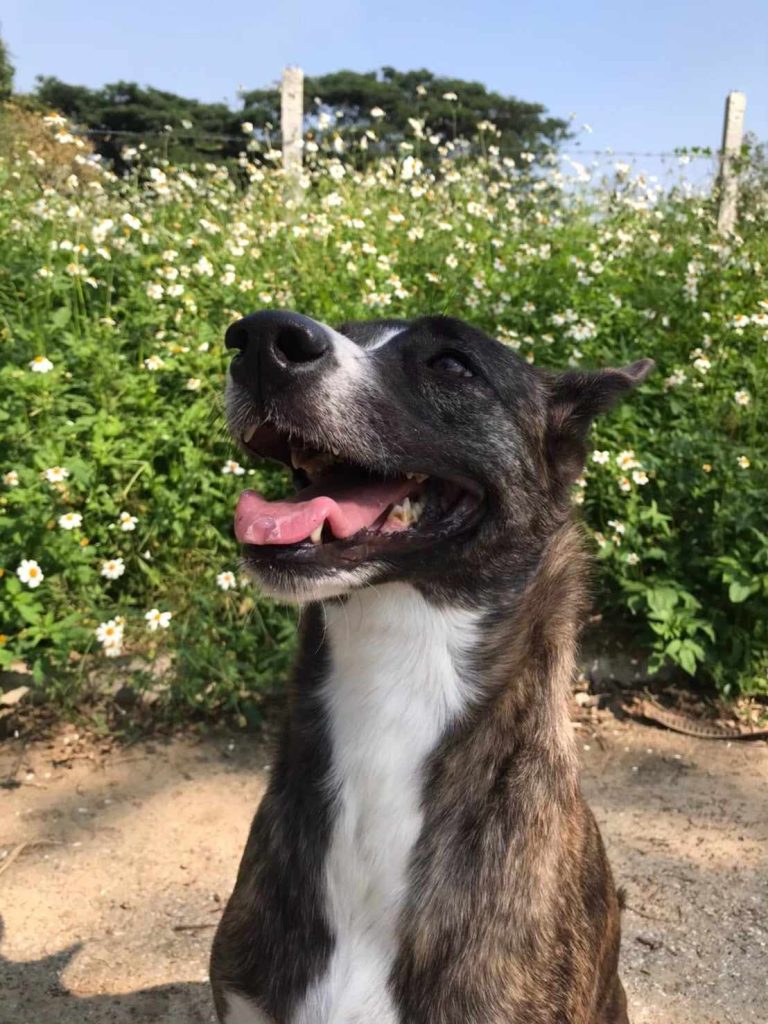
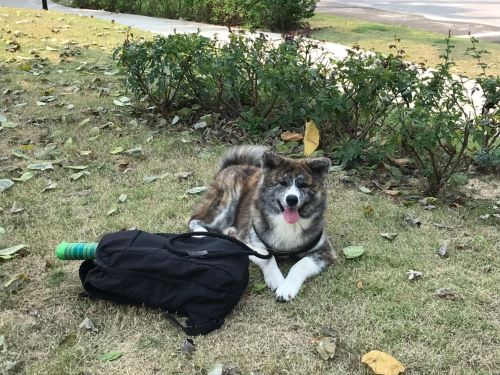
Connection restores attention. Soft tone, patient timing, and genuine joy rebuild the invisible leash. When trust returns, focus follows—and partnership breathes again.
The NeuroBond Approach: Integrating Emotional Synchrony with Behavioural Training
What Is the NeuroBond Framework?
The NeuroBond approach represents an integration of affective neuroscience, attachment theory, and behavioural training principles. It recognizes that sustainable engagement emerges from emotional resonance and shared calmness between dog and human, not from mechanical training protocols alone.
Core Principles of the NeuroBond Framework:
- Emotional connection precedes behavioural compliance: Safety and trust must be established before training effectiveness
- Synchrony creates learning conditions: Emotional attunement settles the nervous system into optimal learning states
- Trust rebuilds through emotional availability: Consistent emotional presence matters more than consistent commands
- Soul Recall moments are meaningful: Emotional memory and connection deeply influence behaviour patterns
- Co-regulation accelerates engagement: Mutual emotional influence speeds reconnection beyond operant conditioning alone
- Awareness guides without force: The Invisible Leash principle—energy and intention over tension
- Individual needs drive approaches: Every dog-human pair requires tailored strategies
- Process matters more than perfection: Quality of connection during training outweighs technical precision
- Science and emotion integrate: Understanding neurochemistry while honoring emotional reality
- Repair strengthens relationships: How you handle disconnection matters as much as preventing it
This framework rests on recognizing that a dog who feels emotionally safe and connected will naturally become more responsive and cooperative. Training techniques applied without this emotional foundation often create compliance without genuine engagement.
Applying NeuroBond in Practice
The practical application of NeuroBond principles begins with a fundamental mindset shift: from seeing training as something you do to your dog to understanding it as something you co-create with your dog.
Building emotional resonance daily:
Start each day with a connection moment before making any demands. This might be gentle touch, mutual gaze, or simply sitting together in calm presence. You’re telling your dog through your energy and attention: “Our relationship matters more than any specific behaviour.”
Training as emotional conversation:
Approach training sessions as conversations rather than command sequences. Notice your dog’s emotional state and adjust your approach accordingly. If they seem anxious, slow down and simplify. If they’re enthusiastic, match that energy. This responsiveness builds trust that you’re attending to their internal experience, not just their external behaviour.
Celebrating the process over perfection:
In the NeuroBond framework, the quality of your connection during training matters more than technical precision. A session where you and your dog remained emotionally connected throughout, even if the behaviour wasn’t perfect, succeeds more profoundly than one where perfect performance occurred through stress or pressure.
Recovery and repair:
When disconnection happens—and it will—the NeuroBond approach emphasizes repair. Acknowledge the rupture (even if only to yourself), re-establish calm, and reconnect emotionally before proceeding. Your dog learns they can trust you to notice when things go wrong and to prioritize repairing the relationship.
The Science Supporting NeuroBond
This approach isn’t just philosophically appealing—it’s grounded in solid research. Studies demonstrate that positive human-dog interactions significantly increase oxytocin levels in dogs, creating physiological conditions for bonding and engagement. Research on maternal synchrony shows that synchronized interactions correlate with peripheral oxytocin levels, suggesting similar mechanisms in human-dog dyads.
The Polyvagal Theory provides a neurological explanation for why emotional safety and co-regulation must precede effective training. When the nervous system feels threatened, it cannot access the social engagement circuits necessary for attention, learning, and cooperation. Only when safety is established does the nervous system shift into a state conducive to connection and learning.
Furthermore, research on emotional engagement in learning contexts—though primarily in human subjects—demonstrates that techniques leveraging emotional connection transform learning outcomes. When training engages emotions positively, retention improves, motivation sustains, and the learning experience becomes intrinsically rewarding rather than merely instrumental.
That balance between science and soul—between understanding neurochemical pathways and honouring the emotional reality of connection—captures the essence of Zoeta Dogsoul.
🧡 The Journey Back to Connection 🐾
A step-by-step guide to rebuilding engagement, trust, and emotional connection with your dog
Phase 1: Recognition
Understanding What Disengagement Really Looks Like
When your dog disengages, their brain chemistry shifts. Elevated cortisol suppresses the SEEKING system—the curiosity engine that drives exploration and learning. Dopamine pathways that create anticipation and motivation begin to quiet. This isn’t behavioral defiance; it’s neurological withdrawal.
• Eyes wandering during training sessions
• Delayed or absent responses to familiar cues
• Physical presence but mental absence
• Reduced enthusiasm and emotional warmth
• Avoiding eye contact with you
Don’t increase pressure, add more corrections, or intensify training demands. These responses will deepen disengagement by triggering stress responses and further suppressing your dog’s capacity to connect.
Phase 2: Emotional Safety Restoration
Creating the Neurological Foundation for Reconnection (Week 1-2)
Positive human-dog interaction increases salivary oxytocin levels by up to 300%. This neurochemical shift activates bonding pathways and prepares the nervous system for learning. Without emotional safety, even the best training techniques fail because the brain remains in protective mode.
• Three 10-minute calm companionship sessions
• Hand-feeding all meals to rebuild positive associations
• Gentle stroking following your dog’s preferences
• Allow dog-initiated contact only
• Zero training demands or commands
• Parallel activities—be together without expectations
Watch for: softer body language when you approach, choosing to be near you more often, relaxed facial expressions, longer periods of calm rest in your presence. These subtle shifts signal that emotional safety is rebuilding.
Phase 3: Emotional Co-Regulation
Building the NeuroBond Through Synchronized Calm
When you and your dog synchronize breathing and emotional states, both nervous systems shift toward parasympathetic activation—the “rest and digest” state where learning and bonding occur. This bidirectional influence creates the NeuroBond: emotional resonance that transcends verbal commands.
• Synchronized breathing: Sit together, slow your breath to 4-6 cycles per minute
• Soft mutual gaze: Eye contact as bonding, not command
• Mindful touch: Slow strokes along shoulders and chest
• Calm parallel presence: Share space without demands
• Heart-centered breathing: Place hand on heart, breathe deeply
Practice co-regulation for 5-10 minutes, 2-3 times daily. The Calming Cycle Theory shows that consistent synchronized interactions build lasting emotional bonds faster than operant conditioning alone.
Phase 4: Playful Reconnection
Activating the SEEKING System Through Joy (Week 2-3)
The SEEKING system—your dog’s curiosity engine—thrives on novelty and autonomous exploration. Introducing unstructured play and novel environments without training pressure gradually reactivates this fundamental emotional circuit, restoring natural motivation.
• Sniffing walks where your dog chooses pace and direction
• Food scatter games in grass or leaves
• Gentle toy play with dog-controlled intensity
• Novel environment exploration together
• Hide-and-seek with treats or toys
• No-pressure recall games (reward for looking, not coming)
Signs of re-emerging engagement: voluntary check-ins with you, play bows, relaxed body during activities, tail wagging with whole-body involvement, sustained interest in activities, choosing to stay near you.
Phase 5: Adaptive Training Reintroduction
Smart Reinforcement That Sustains Motivation (Week 3-4)
Variable reinforcement keeps dopamine pathways active. When rewards are somewhat unpredictable, your dog’s brain maintains attention and anticipation. Surprise strengthens engagement more than predictability ever can.
• Start with 2-3 easy, already-known behaviours
• Practice only 3-5 repetitions per session
• Use highest-value rewards initially
• Offer choices (which treat? which activity?)
• Keep sessions 5-7 minutes maximum
• End while your dog wants more
• Rotate activities to prevent habituation
If your dog shows stress signals during training (lip licking, yawning, looking away), immediately return to Phase 2-3. Pushing through stress signals damages the trust you’re rebuilding.
Phase 6: Cognitive Enrichment
Feeding the Mind to Sustain Engagement (Week 4-6)
Dogs need cognitive challenges as much as physical exercise. Mental stimulation creates new neural pathways, prevents boredom-based disengagement, and gives your dog a sense of purpose and accomplishment.
• Scent discrimination work (find specific scents)
• Puzzle feeders and interactive toys
• Novel walking routes weekly
• Different surface experiences (grass, sand, gravel)
• New trick training (not just drilling old behaviours)
• Hide-and-seek games with increasing difficulty
• Controlled social interactions with varied dogs
Match cognitive challenge to your dog’s current capacity. Too simple creates boredom; too complex creates overwhelm. Both lead to disengagement. Start easy and gradually increase complexity.
Phase 7: Relationship Deepening
Building the Invisible Leash (Week 6+)
The Invisible Leash represents awareness and energetic connection that guides behaviour without force. It’s the intuitive communication that develops when trust is deep, emotional attunement is strong, and both beings genuinely want to cooperate.
• Daily unstructured connection time (no agenda)
• Mutual gaze sessions as bonding moments
• Body language synchrony awareness
• Energy matching and harmonizing
• Celebrating moments of Soul Recall—when your dog spontaneously reconnects
• Respecting your dog’s individual communication style
• Developing your emotional self-awareness
Engagement isn’t achieved once and forgotten. It requires ongoing emotional availability, variety in activities, regular co-regulation, and continuous attention to both your dog’s needs and your own emotional state.
Phase 8: Maintenance & Thriving
Sustaining Connection for Life
Engagement is relationship quality made visible. When you prioritize emotional connection, clear communication, and mutual respect, engagement naturally sustains. The work never truly ends—it evolves into a beautiful ongoing dance of connection.
• Morning connection ritual before demands
• Rotate training activities to prevent habituation
• Vary environments regularly
• Continue co-regulation techniques
• Monitor your own emotional state
• Celebrate small engagement moments
• Quick repair when disconnection occurs
• Monthly relationship quality assessments
Your dog checks in voluntarily, shows enthusiasm for training, maintains relaxed body language during activities, seeks your company, responds willingly to cues, and most importantly—both of you genuinely enjoy spending time together.
🔍 Different Types of Disengagement: Tailored Approaches
Cause: Fear-based shutdown
Signs: Avoidance, stress signals, hypervigilance
Approach: Extra emotional safety time (4-6 weeks), never push into fear, celebrate tiny steps, consider professional support
Timeline: Slowest recovery—patience essential
Cause: Chronic arousal without downtime
Signs: Hypervigilance, can’t settle, impulsive behaviours
Approach: Structured rest periods, calm activities only, settlement training, reduced environmental stimulation
Key insight: Sometimes less is more
Cause: Insufficient cognitive challenge
Signs: Quick disinterest, seeking own entertainment, restlessness
Approach: Dramatically increase mental enrichment, teach complex behaviours, introduce dog sports, maximize variety
Recovery: Often quickest to re-engage
Cause: Pain, illness, or physical strain
Signs: Sudden disengagement, movement reluctance, changed sleep patterns
Approach: Veterinary examination first, pain management, adapt activities to physical limitations
Critical: Address physical before emotional
Cause: Inconsistent communication and reinforcement
Signs: Hesitant responses, seeking clarification, frustrated behaviours
Approach: Crystal-clear cues, 100% consistent reinforcement, simple success-based training, rebuild reward predictability
Focus: Clarity above all else
Cause: Broken human-dog bond, trust damage
Signs: Performs but without warmth, avoids connection, no voluntary check-ins
Approach: Extended Phase 1-3, prioritize NeuroBond building, maximum unstructured positive time, co-regulation emphasis
Heart: Requires deepest emotional work
• Mild disengagement: 2-4 weeks to rebuild
• Moderate disengagement: 4-8 weeks with consistent practice
• Severe disengagement: 8-16 weeks, possibly longer
• Emotional detachment: 12+ weeks of deep relationship work
Daily Time Investment:
• Weeks 1-2: 30-45 minutes unstructured connection
• Weeks 3-4: 20-30 minutes connection + 10-15 minutes gentle training
• Weeks 5+: 15-20 minutes connection + 15-20 minutes adaptive training
The 3-to-1 Rule:
For every 1 structured training interaction, provide 3 positive unstructured interactions
Progress Check:
If you’re not seeing improvement after 3 weeks, return to earlier phases—you moved too fast
The Invisible Leash emerges not from control, but from mutual awareness and energetic harmony. It’s the gentle pull of trust, the quiet language of attunement, the wordless understanding that guides behaviour through connection rather than correction.
Watch for moments of Soul Recall—those precious instances when your dog’s eyes suddenly brighten with recognition, when they choose to move closer, when the spark of connection reignites. These moments reveal the deep emotional memory at the heart of your relationship. They’re not random; they emerge when you’ve created the emotional safety that allows your dog’s true nature to resurface.
This journey teaches us that training is never just about behaviours—it’s about the quality of presence we bring, the emotional states we share, and the depth of trust we’re willing to cultivate. When we honour both the neuroscience and the soul of connection, engagement doesn’t need to be demanded—it naturally emerges from a relationship built on safety, respect, and genuine love.
That balance between understanding the brain and honouring the heart—that’s where transformation happens. That’s the essence of Zoeta Dogsoul.
Practical Training Protocols: From Theory to Action
The Trust-Restoration Program (Weeks 1-2)
Week One: Foundation of Safety
Focus exclusively on non-demanding positive interaction. No formal training, no commands that might trigger stress or conflict.
Daily Activities for Week One:
- Three 10-minute calm companionship sessions: Simply be together without expectations
- Gentle stroking or massage: Follow your dog’s preferences for touch
- Hand-feeding meals: Rebuild positive associations with your presence
- Dog-initiated contact: Allow your dog to approach you for interaction
- Parallel activities: Read, work, or relax near your dog without demands
- Soft verbal interaction: Gentle, soothing talking without commands
- Observation time: Notice subtle changes in body language and comfort levels
- Safe space respect: Honor when your dog needs alone time
Track subtle changes in your dog’s body language. Are they choosing to be near you more often? Does their body soften when you approach? Are you seeing more relaxed facial expressions? These indicators show emotional safety rebuilding.
Week Two: Playful Reconnection
Introduce unstructured play and exploratory activities. The goal remains connection, not training.
Activities for Week Two:
- Sniffing walks: Let your dog choose pace and direction for exploration
- Gentle interactive play: Use toys, let your dog control play intensity
- Novel environment exploration: Visit new places together without training pressure
- Food scatter games: Toss treats in grass to activate SEEKING system
- Continue Week One activities: Maintain all foundational safety practices
- Playful engagement: Follow your dog’s play style and energy
- No-pressure recall games: Call your dog’s name, reward when they look (no movement required)
- Environmental enrichment: Provide puzzle toys, snuffle mats, or new textures to explore
By the end of Week Two, you should notice increased willingness from your dog to check in with you, more relaxed body language overall, and perhaps the first signs of re-emerging enthusiasm during interactions.
The Graduated Engagement Program (Weeks 3-6)
Week Three: Simple Success
Begin introducing very simple, already-known behaviours with high-value rewards.
- Choose 2-3 behaviours your dog knows well and finds easy
- Practice each only 3-5 times per session, twice daily
- Use your dog’s absolute favorite rewards
- Keep energy light and celebratory
- End each session while your dog still wants more
Success criteria: Your dog performs willingly with relaxed body language, showing enthusiasm for these brief sessions.
Week Four: Novelty and Choice
Introduce novel but simple tasks and offer choices.
- Teach one completely new behaviour using shaping (building gradually)
- Offer choices between two rewards or two activities
- Practice in 2-3 different locations
- Continue Week Three behaviours but reduce frequency
- Add variety within each session
Watch for signs of your dog’s SEEKING system activating—curiosity, enthusiasm, active problem-solving.
Week Five: Building Reliability
Gradually increase distraction levels and add gentle challenges.
- Practice known behaviours in increasingly distracting environments
- Begin working on previously difficult behaviours, starting with the easiest version
- Implement variable reinforcement (not every response gets the primary reward)
- Incorporate short training moments into daily life rather than just formal sessions
- Maintain the emotional connection practices from earlier weeks
Week Six: Integration and Generalization
Solidify engagement across multiple contexts.
- Practice all behaviours in varied environments
- Work on chaining behaviours together
- Introduce longer durations or distances
- Begin incorporating the behaviours that previously showed disengagement, approaching them fresh
- Assess overall engagement quality: Is attention willing? Is body language relaxed? Does enthusiasm sustain?
The Maintenance Protocol (Ongoing)
Engagement isn’t achieved once and forgotten—it requires ongoing attention.
Daily Practices for Sustained Engagement:
- Morning connection ritual: Begin each day with contact before demands
- Training content rotation: Change up activities to prevent habituation
- Environmental variety: Practice in different locations regularly
- Ongoing co-regulation: Continue emotional synchrony practices
- Emotional state monitoring: Check your own state before interactions
- Success celebration: Acknowledge moments of strong engagement
- Quick repair protocols: Address disconnection immediately when it occurs
- Unstructured bonding time: Daily periods without training or expectations
- Novel enrichment: Regularly introduce new cognitive challenges
- Relationship check-ins: Weekly assessment of connection quality
Monthly Assessment Questions:
- Is my dog showing willing, enthusiastic engagement most of the time?
- Do we both enjoy our training sessions?
- Is my dog checking in with me voluntarily?
- Are we seeing progress without stress?
- Does our connection feel strong and reciprocal?
- Am I maintaining emotional availability and regulation?
- Is variety present in our training and activities?
- Are we having fun together?
- Does my dog seem emotionally secure?
- Am I respecting my dog’s individual needs and preferences?
If you answer “no” to several questions, return to earlier protocol stages to rebuild the foundation. 😊
Special Considerations: Different Types of Disengagement
The Overstimulated Dog
Some dogs disengage due to chronic overstimulation. These are often high-energy breeds or dogs in urban environments who never get adequate downtime to process experiences.
Signs of Overstimulation:
- Difficulty settling or relaxing, even in calm environments
- Hypervigilance—constantly scanning surroundings
- Impulsive or frantic behaviour during activities
- Poor sleep quality or restless sleeping patterns
- Stress signals despite receiving adequate physical exercise
- Reactivity to minor environmental changes
- Inability to focus during training
- Mouthing, jumping, or other displacement behaviours
Rebuilding Engagement for Overstimulated Dogs:
- Structured downtime protocols: Schedule mandatory rest periods throughout the day
- Calm, boring time: Create intentionally understimulating environments
- Reduced environmental stimulation: Minimize visual, auditory, and social stimuli
- Settlement behaviour training: Teach and reward relaxation on cue
- Predictable daily rhythms: Establish consistent routines
- Calm activities over high-energy play: Prioritize sniffing walks over running
- Crate or pen training for rest: Provide a designated calm space
- Massage and TTouch techniques: Use calming physical contact
- Mental enrichment over physical exhaustion: Focus on cognitive activities
- Gradual desensitization to stimuli: Slowly build tolerance to environmental triggers
The paradox: sometimes dogs need less stimulation, not more, to rebuild engagement capacity.
The Anxious or Fearful Dog
When disengagement stems from anxiety, the approach must prioritize emotional safety above all else.
Signs of Anxiety-Based Disengagement:
- Avoidance behaviours—turning away, hiding, or withdrawing
- Stress signals—lip licking, yawning, whale eye, tucked tail
- Shutdown responses—freezing, becoming very still or “checked out”
- Hypervigilance to environmental changes
- Reluctance to try new behaviours or explore
- Startling easily at sounds or movements
- Difficulty accepting rewards during stress
- Physical trembling or tension
Key Principles for Anxious Dogs:
- Never push into fear: Always work below the dog’s threshold
- Celebrate tiny steps: Any movement toward engagement deserves recognition
- Create predictability: Consistent routines reduce anxiety
- Counter-conditioning protocols: Pair anxiety triggers with positive experiences
- Professional support consideration: Severe anxiety may need veterinary or specialist intervention
- Medication assessment: Some dogs benefit from anti-anxiety medication during rebuilding
- Safe space availability: Ensure retreat options are always accessible
- Gentle exposure: Gradual, controlled introduction to previously scary situations
- Confidence-building games: Simple, always-successful activities
- Extra patience: Anxiety recovery takes significant time
These dogs benefit particularly from the NeuroBond emphasis on emotional co-regulation. Your calm, regulated presence becomes a safe haven that allows their nervous system to begin healing.
The Bored or Understimulated Dog
Intelligent dogs in environments lacking cognitive challenge often disengage from sheer boredom.
Signs of Boredom-Based Disengagement:
- Lack of enthusiasm during training sessions
- Attention wandering to anything more interesting
- Destructive behaviours when left alone
- Creating their own “entertainment” (often problematic)
- Quick mastery of tasks followed by disinterest
- Restlessness and inability to settle
- Excessive sleeping or lethargy
- Seeking stimulation through undesirable behaviours
Solutions for Understimulated Dogs:
- Dramatically increase cognitive enrichment: Daily puzzle solving and problem-solving games
- Teach complex behaviour chains: Multi-step sequences that require thinking
- Introduce dog sports: Agility, nosework, rally, disc, or other structured activities
- Daily problem-solving opportunities: Hide-and-seek, puzzle feeders, novel challenges
- Variety in all aspects: Rotate walking routes, training locations, activities, and toys
- Advanced training: Move beyond basic obedience to complex skills
- Scent discrimination work: Teach your dog to identify specific scents
- Trick training: Fun, engaging behaviours that challenge creativity
- Interactive play: Games that require strategy, not just physical activity
- Environmental exploration: Regular visits to new, mentally stimulating locations
For these dogs, engagement returns quickly once their intellectual needs are properly met.
The Physically Uncomfortable Dog
Never overlook physical causes of disengagement. Pain, illness, or physical discomfort can dramatically reduce your dog’s willingness to engage.
Physical Issues to Consider:
- Joint problems: Arthritis, hip dysplasia, elbow issues causing pain during movement
- Dental disease: Painful teeth or gums affecting eating and general comfort
- Digestive issues: Nausea, bloating, or gastrointestinal discomfort
- Skin conditions: Itching, allergies, or dermatological pain
- Ear infections: Painful, distracting, affecting balance and comfort
- Vision or hearing changes: Sensory deficits creating uncertainty
- Thyroid dysfunction: Hormonal imbalances affecting energy and mood
- Neurological issues: Conditions affecting coordination or sensation
- Obesity: Extra weight creating physical strain and fatigue
- Age-related decline: General physical changes in senior dogs
Steps to Take if Physical Issues are Suspected:
- Veterinary examination: Complete physical workup including bloodwork
- Pain assessment: Specific evaluation for subtle signs of discomfort
- Exercise appropriateness review: Ensure activities match physical capacity
- Joint health evaluation: X-rays or other imaging if needed
- Dietary review: Assess nutritional adequacy and food sensitivities
- Environmental comfort: Temperature, sleeping surface, accessibility considerations
- Medication if needed: Pain management or treatment for underlying conditions
- Physical therapy: Rehabilitation exercises for mobility issues
- Weight management: If obesity is contributing to physical strain
- Adaptive training: Modify activities to accommodate physical limitations
A dog in physical discomfort cannot fully engage emotionally or cognitively. Address the physical before expecting the emotional. 🧡
Long-Term Relationship Building: Beyond Training
Understanding Engagement as Relationship Quality
Ultimately, engagement reflects the overall quality of your relationship with your dog. It’s not a training outcome—it’s a relationship indicator.
Strong relationships are characterized by:
- Mutual trust and secure attachment
- Clear, consistent communication
- Emotional attunement and responsiveness
- Shared positive experiences
- Respect for each other’s needs and boundaries
When you focus on building these relationship qualities, engagement follows naturally. When you focus only on training behaviours, engagement often remains elusive.
The Importance of Unstructured Connection Time
Modern dog training emphasizes structure, protocols, and technique. These have value, but they’re insufficient alone. Your dog also needs unstructured time with you—moments when there’s no agenda, no performance expectation, just being together.
These moments might look like:
- Sitting together watching the sunset
- Your dog resting nearby while you work
- Gentle grooming or massage
- Parallel walking with no training objectives
- Simply being present with each other
These unstructured moments build the emotional reserves that make structured training more effective. They remind both of you that your relationship exists beyond training and tasks.
Recognizing Your Dog’s Individuality
Every dog is unique in their engagement drivers, learning style, and relationship needs. What rebuilds engagement for one dog might not work for another.
Pay attention to:
- What activities genuinely light up your dog’s eyes
- What rewards truly motivate (not all dogs care about food)
- What communication style they respond to best
- What environment supports their optimal learning state
- What relationship dynamics bring out their best engagement
Your dog will teach you what they need if you observe carefully and respond with flexibility. The best training protocols are those adapted to fit your specific dog, not those rigidly applied regardless of individual difference.
Celebrating the Journey
Rebuilding engagement is not a linear process. You’ll have breakthrough days and setback days. Progress might be slower than you’d like, or occasionally faster than expected.
Celebrate the small victories:
- The first time your dog voluntarily checks in with you
- The moment you catch them watching you with soft, interested eyes
- The training session where everything clicks
- The walk where they choose to stay close without being called
- The morning they greet you with genuine enthusiasm
These moments are the journey. Each one represents emotional healing, growing trust, and strengthening connection. Together, they weave the fabric of a deeply engaged partnership.
Conclusion: Is Rebuilding Right for You?
The Commitment Required
Rebuilding engagement with your dog requires genuine commitment. It demands patience when progress is slow, self-awareness when you contribute to disconnection, and consistency even when motivation wanes.
You’ll need to:
- Prioritize relationship over rapid results
- Develop your own emotional regulation skills
- Stay present and attentive to subtle changes
- Adjust your approach based on your dog’s responses
- Accept that healing takes the time it takes
This journey isn’t for those seeking quick fixes or mechanical solutions. It’s for those willing to look honestly at the relationship dynamic and invest in genuine transformation.
The Rewards of Reconnection
The rewards, however, are profound. A deeply engaged dog is more than obedient—they’re a true partner. They watch you not because they must, but because they’re genuinely interested in you. They respond not from pressure, but from willing cooperation.
You’ll experience:
- Training that feels collaborative and enjoyable
- A dog who checks in with you voluntarily
- Reduced stress for both of you
- Deeper mutual understanding
- The joy of seeing your dog’s personality fully expressed
- Trust that can weather challenges
Perhaps most importantly, you’ll know that your relationship is built on authentic connection rather than compliance born from pressure or fear. This foundation sustains not just training, but quality of life for both of you.
Next Steps: Your Path Forward
If you recognize your dog in this discussion and feel ready to begin the rebuilding journey:
Start with honest assessment: Where does disengagement show up most clearly? What might be contributing factors? What’s your current emotional state in interactions?
Begin with Week One of the Trust-Restoration Program: Focus purely on re-establishing emotional safety. Resist the urge to rush ahead.
Document the journey: Keep notes on what you observe—subtle changes in body language, moments of reconnection, patterns you notice. This helps you see progress that might otherwise be invisible.
Seek support when needed: If disengagement is severe or if you’re unsure how to proceed, consider working with a qualified professional who understands both behavioural science and emotional dynamics.
Trust the process: Engagement rebuilds at its own pace. Your job is to create the conditions that allow it to emerge, not to force it according to your timeline.
The bond between you and your dog is worth this investment. When you commit to rebuilding engagement through emotional connection, adaptive training, and genuine attunement, you’re not just improving training outcomes—you’re honoring the profound relationship that makes the human-dog partnership one of life’s most beautiful experiences.
That balance between understanding the science and honoring the emotional truth of connection—that’s the heart of this work. That’s what allows engagement to flourish. That’s the essence of Zoeta Dogsoul.
Your dog is waiting for this reconnection, perhaps longing for it as much as you are. The path forward begins with a single moment of calm presence, of emotional availability, of choosing connection over correction.
Will you take that first step? 🧡










