
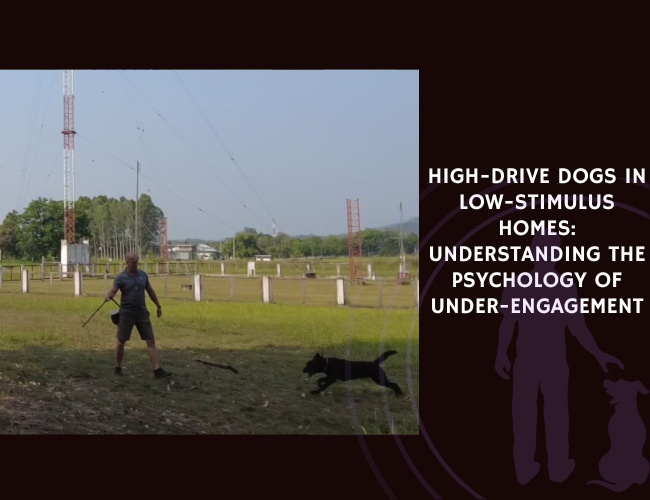
Introduction: When Brilliance Meets Boredom
Picture this: a Belgian Malinois lying on a pristine living room floor, eyes tracking shadows on the wall. A Border Collie pacing the hallway for the hundredth time today. A German Shepherd spinning circles in the backyard, chasing nothing visible to the human eye.
These aren’t signs of contentment. They’re silent distress signals from some of the world’s most intelligent, capable dogs—breeds engineered for purpose, now confined to purposeless routines. You might have welcomed one of these magnificent animals into your home with the best intentions, only to watch them become a restless shadow of their potential. You’re not alone in this struggle, and more importantly, there’s a neurological explanation for what’s happening.
High-drive dogs possess minds wired for complexity, challenge, and constant engagement. When we place these cognitively sophisticated animals in low-stimulus environments—homes lacking mental challenges, physical variety, or meaningful tasks—we create a profound mismatch between biology and lifestyle. The consequences ripple through every aspect of their wellbeing, from stress physiology to impulse control, from sleep patterns to their emotional connection with you.
Let us guide you through the intricate psychology of under-engagement, exploring how environmental monotony affects the canine brain and what we can do to restore balance. This isn’t about guilt; it’s about understanding. Next, we’ll explore how chronic under-stimulation fundamentally alters your dog’s neurochemistry.
Cognitive and Emotional Regulation: The Neuroscience of Unmet Needs
How Under-Stimulation Rewires the Brain
Your high-drive dog’s brain operates like a high-performance engine—designed to run, built for challenge, requiring the right fuel. When that engine idles too long in neutral, something remarkable and concerning happens at the neurochemical level.
Dopamine dysregulation sits at the heart of this issue. Dopamine, often called the “motivation molecule,” drives your dog’s pursuit of goals, rewards, and novelty. In working breeds like Malinois or Border Collies, the mesolimbic dopamine system evolved to support sustained task engagement, problem-solving, and reward prediction. This system needs regular activation through meaningful work.
In low-stimulus homes, this sophisticated system begins to malfunction. Without opportunities for goal-directed activities, your dog’s dopamine responses may flatten, leading to apathy—or paradoxically, they may become hypersensitive to minor stimuli. You might notice your dog overreacting to the doorbell or fixating intensely on a passing leaf. This isn’t misbehavior; it’s a desperate attempt by the brain to stimulate its own reward pathways.
Cortisol elevation tells the second half of this neurochemical story. Chronic under-engagement registers in your dog’s body as persistent stress. The allostatic load—essentially, the wear and tear from ongoing stress responses—accumulates silently. Your dog may appear calm on the surface, but internally, cortisol levels remain elevated, signaling continuous physiological distress. This sustained activation of stress systems affects everything from immune function to digestive health to emotional resilience. 🧠
The SEEKING System: When Purpose Goes Missing
Did you know that your dog possesses what neuroscientists call the SEEKING system? This fundamental brain network, described by researcher Jaak Panksepp, drives appetitive motivation and exploration. It’s the neural circuit that makes puppies investigate every corner, that pushes working dogs to master complex tasks, that creates the sparkle in your dog’s eyes when they’re truly engaged.
The SEEKING system runs on dopamine and thrives on purposeful activity. When chronically suppressed—when there’s nothing to seek, nothing to master, no problems to solve—this system doesn’t simply turn off. Instead, it becomes frustrated, disorganized, and eventually dysfunctional.
Reduced impulse control often emerges as the first visible consequence. Your normally focused dog begins struggling to inhibit immediate responses. They lunge at stimuli they previously ignored. They can’t wait patiently at doors. They interrupt constantly. This isn’t defiance—it’s neurological frustration manifesting as behavioral disinhibition.
The internal tension from a blocked SEEKING system also manifests as generalized anxiety. Your dog feels driven to do something, but without appropriate outlets, that drive becomes free-floating restlessness. Through the NeuroBond approach, we understand that this frustration isn’t solved by suppression but by providing authentic engagement that honors the dog’s neurobiological needs.
From Learned Helplessness to Compulsive Coping
Environmental monotony creates a psychological trap. When your high-drive dog repeatedly attempts to engage with their environment but finds nothing responsive, nothing challenging, nothing rewarding, they may develop learned helplessness—a state where they stop trying altogether. You might see this as a dog who seems “calm” but is actually emotionally shut down, passively resigned to an unchanging existence.
Alternatively, some dogs take the opposite route: compulsive self-stimulation. Spinning, pacing, shadow chasing, excessive licking—these stereotypic behaviors serve as the dog’s attempt to generate internal stimulation when external sources fail. These repetitive actions temporarily spike dopamine, providing brief relief from the cognitive and emotional emptiness of their daily routine.
Both responses—withdrawal or compulsion—signal the same underlying problem: an intelligent, capable mind starving for engagement. Next, we’ll explore how these neurological changes translate into the specific behaviors you observe daily.
Behavioral Manifestations: Reading the Signs of Under-Engagement
The Language of Boredom and Frustration
Your dog communicates their internal state constantly, but the signals of under-engagement often masquerade as “bad behavior” rather than distress calls. Learning to recognize these manifestations helps you respond with understanding rather than frustration.
Boredom-induced vocalizations represent one of the most common signs. This isn’t the alert bark at the mailman or the excited bark before a walk. This is persistent, seemingly purposeless vocalization—whining, barking, or howling that continues despite no clear trigger. Your dog is essentially calling into the void, trying to create something in their static environment.
Compulsive behaviors deserve particular attention:
- Shadow or light chasing: Obsessive tracking of moving light patterns or shadows, often for extended periods
- Tail chasing or spinning: Repetitive circular movement that becomes ritualized and difficult to interrupt
- Excessive licking: Of paws, flanks, or objects, often leading to skin irritation or hotspots
- Pacing: Traveling the same paths repeatedly, unable to settle even when physically tired
Destructive outlets emerge when cognitive energy has nowhere constructive to go. High-value items like furniture, door frames, or your belongings become targets not out of spite but as focal points for redirected drive. The dog needs to do something, and in the absence of appropriate tasks, they create their own projects.
Irritability and lowered thresholds show up in daily interactions. Your previously tolerant dog now snaps at minor annoyances. They guard resources more intensely. They react disproportionately to stimuli they once ignored. This isn’t personality change—it’s chronic frustration lowering their emotional resilience. 🐾
Aggression Thresholds and Frustration Tolerance
The relationship between under-engagement and aggression deserves careful consideration. High-drive dogs possess powerful instinctive goals: to chase, to herd, to problem-solve, to work. When these innate drives are consistently blocked in low-stimulus domestic settings, the frustration-aggression hypothesis suggests that aggressive responses become more likely.
This doesn’t mean your under-stimulated dog will become dangerous. Rather, their threshold for reactive behavior drops. Small frustrations that they’d normally navigate smoothly now trigger disproportionate responses. A German Shepherd who once waited patiently for their meal now guards the feeding area aggressively. A Border Collie who coexisted peacefully with the cat now stalks and snaps.
Redirection and displacement behaviors often appear. Unable to pursue their actual goals, dogs redirect their drives onto inappropriate targets. The Malinois who should be working redirects their intensity onto household members or other pets. The herding dog who lacks appropriate outlets begins herding children, cars, or even shadows.
Understanding these thresholds helps you recognize that behavioral “problems” often represent frustrated attempts to meet genuine neurobiological needs. The solution lies not in suppression but in appropriate fulfillment.

The Paradox of Over-Calm Conditioning
Here’s something that might surprise you: excessive calm conditioning can create its own problems for high-drive dogs. While teaching impulse control and calmness is valuable, forcing a working breed into perpetual low-arousal states without balancing that with appropriate drive outlets can lead to emotional blunting.
You might notice your dog becoming increasingly disengaged—not in a peaceful, contented way, but with a flatness that feels concerning. They seem less responsive to your cues, not from defiance but from general dampening of their motivational systems. The bright curiosity typical of their breed fades into passive existence.
Disconnection from handlers can emerge from this mismatch. The lack of shared, purpose-driven activities erodes the synchrony between you and your dog. Moments of Soul Recall—those instances where emotional memory and intuitive response create deep relational bonding—become increasingly rare when daily life offers no meaningful engagement.
This isn’t an argument against teaching calmness. Rather, it’s a call for balance: high-drive dogs need both the ability to settle and regular opportunities to fully express their working heritage. Next, we’ll examine the environmental and human factors that either support or undermine this balance.
Environmental and Human Factors: Creating Context for Wellbeing
The Architecture of Under-Stimulation
Not all low-stimulus homes look the same, but they share common characteristics that fail to meet high-drive dogs’ needs. Understanding these factors helps you identify areas for improvement in your own environment.
Predictability without novelty characterizes many under-stimulating homes. Your dog experiences the same spaces, the same walking routes, the same daily schedule with minimal variation. While consistency provides security, excessive predictability starves the brain of novelty—a critical trigger for dopamine release and learning.
Research shows that the hippocampus detects novelty, triggering neuromodulator release that affects learning processes in the frontal cortex. Without regular novel experiences, your dog’s cognitive flexibility diminishes. They become less adaptable, more rigid, more anxious when faced with changes.
Sensory monotony extends beyond visual sameness. Low-stimulus homes often lack:
- Varied scent environments (always the same walking routes, limited exposure to new spaces)
- Tactile diversity (minimal variety in surfaces, textures, or objects to investigate)
- Social variability (limited interactions with different people, dogs, or animals)
- Auditory richness (quiet, unchanging soundscapes)
For dogs whose sensory processing capabilities far exceed ours—particularly scent-driven breeds—this represents profound deprivation. Imagine experiencing the world through a senses-dulling filter, day after day. That’s the reality for many high-drive dogs in static environments.
Lack of agency and choice compounds the problem. In low-stimulus homes, dogs often have minimal control over their experiences. They can’t choose when to explore, what to investigate, or how to spend their time. This learned helplessness—the understanding that one’s actions don’t meaningfully influence outcomes—creates passive resignation. 🧡
The Human Element: Your Role in the Dynamic
You might not realize it, but your daily routines, emotional state, and interaction patterns profoundly influence your dog’s psychological wellbeing. High-drive dogs are extraordinarily attuned to their handlers, reading emotional cues and anticipating patterns with remarkable accuracy.
Owner routines and interaction quality matter more than duration alone. Thirty minutes of engaged, mentally stimulating activity creates more fulfillment than hours of passive coexistence. Yet many well-intentioned owners focus on quantity over quality, taking long but repetitive walks that provide physical exercise without cognitive challenge.
Emotional tone and consistency shape your dog’s emotional regulation. If you’re stressed, distracted, or emotionally unavailable during interactions, your dog registers this disconnect. They may become hypervigilant, constantly monitoring your state. Or they may disengage, learning that interaction rarely leads to meaningful connection.
The Invisible Leash concept reminds us that true connection isn’t about physical control but about energetic awareness and mutual attunement. When this awareness is absent—when interactions become transactional rather than relational—high-drive dogs feel the emptiness acutely.
The trap of overmanagement represents another subtle factor. In attempting to control every aspect of their dog’s behavior, some owners inadvertently increase restlessness and anxiety. Constant correction, prevention of natural behaviors (even harmless ones), and micromanagement of every movement prevent dogs from developing self-regulation.
High-drive dogs need structure, certainly, but they also need permission to make choices within that structure. They need to problem-solve, to make decisions, to experience the consequences of their actions in safe contexts. Without this, they remain perpetually dependent and internally agitated.
Designing Enrichment That Actually Enriches
The question becomes: what combination of sensory, cognitive, and emotional enrichment best prevents maladaptive coping in low-stimulus homes? The answer lies in understanding that enrichment isn’t a single activity but a holistic approach targeting multiple needs simultaneously.
Sensory enrichment focuses on novel, safe experiences:
- Scent work: Hide treats or toys, teach formal nose work, create scent trails to follow
- Environmental variety: Different walking routes, parks, urban settings, natural trails
- Texture diversity: Various surfaces to walk on, objects with different properties to investigate
- Social exposure: Appropriate interactions with different dogs, people, and environments
Cognitive enrichment challenges the mind:
- Puzzle toys and interactive feeders: Daily problem-solving opportunities during meals
- Skill-building training: Learning new commands, tricks, or task chains
- Choice and agency: Opportunities to make decisions, select activities, or control outcomes
- Problem-solving games: Finding hidden objects, navigating obstacles, figuring out mechanisms
Emotional enrichment nurtures the bond:
- Quality interaction time: Focused, present engagement without distractions
- Consistent, positive routines: Predictable positive experiences that build security
- Appropriate social play: With selected dog friends or human family members
- Relaxation in connection: Shared calm moments that build contentment without suppression
Physical enrichment engages the body appropriately:
- Varied physical activities: Running, swimming, hiking, agility, not just repetitive walks
- Intensity matching: Activities that genuinely challenge the dog’s physical capabilities
- Functional exercise: Activities that serve a purpose (retrieving, tracking, herding exercises)
This holistic approach through the NeuroBond framework ensures that all aspects of wellbeing are addressed simultaneously. It’s not about adding one puzzle toy or one longer walk—it’s about fundamentally restructuring daily life to honor your dog’s neurobiological design. Next, we’ll explore the neurobiological mechanisms underlying these enrichment needs.
Idle. Wired. Unseen.
Purpose is their peace. High-drive dogs don’t just want activity—they need meaning. When brilliance meets boredom, their instincts turn inward, and what once was drive becomes distress disguised as energy.
Stillness breeds imbalance. A restless mind without outlet rewires itself toward chaos. Spinning, pacing, or fixating aren’t quirks—they’re the echoes of a brain built for work, now searching for reason in silence.
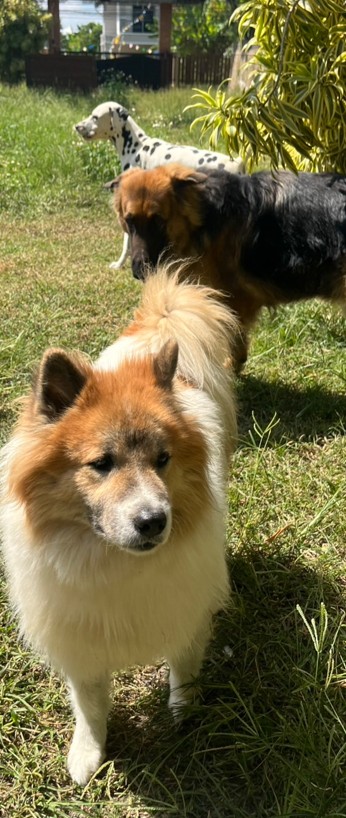
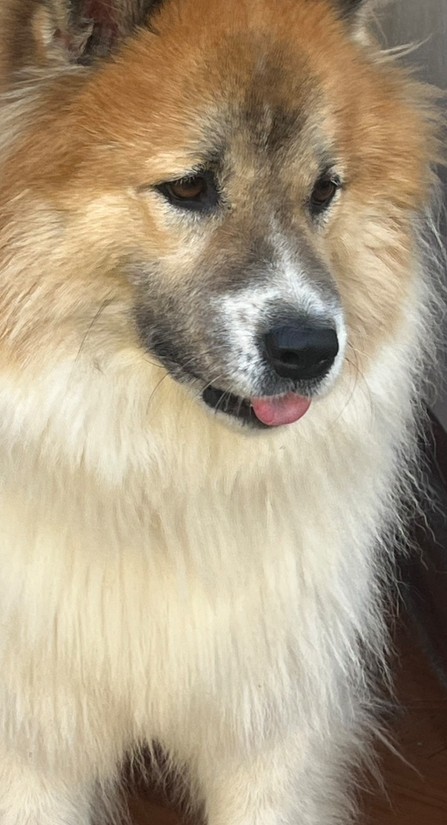

Engagement heals the dissonance. When we trade suppression for structure and connection, balance returns. Purposeful interaction reignites the SEEKING system, and what was anxiety transforms back into clarity.
Neurobiological and Physiological Insights: Understanding the Body’s Response
The Limbic-Prefrontal Balance
Your dog’s emotional regulation depends on the delicate balance between limbic system activation—the emotional, instinctive responses—and prefrontal control—the executive function that modulates those responses. High-drive dogs possess powerful limbic drives; their brains are wired for intense motivation, rapid response, and sustained pursuit.
When activation cues are deprived—when there are no appropriate outlets for these drives—the limbic system doesn’t simply quiet down. Instead, the balance shifts, often resulting in either hyperarousal (constant vigilance, reactivity, inability to settle) or hypoarousal (emotional withdrawal, learned helplessness).
Dopaminergic tone throughout the brain influences motivation, learning, and reward processing. Chronic under-stimulation can lead to reduced dopaminergic function, similar to what’s observed in animal models of depression. Your dog’s internal drive system becomes less responsive, less flexible, less able to find reward in previously engaging activities.
This neurobiological shift isn’t permanent, but it does require intentional intervention. Structured enrichment that reactivates the SEEKING system can help restore healthy dopaminergic function. Think of it as rehabilitating underused neural pathways, building back the brain’s capacity for engagement and reward.
Measurable Biomarkers of Under-Stimulation Stress
You can’t directly observe neurotransmitter levels in your living dog, but several physiological markers offer windows into their stress state. Understanding these biomarkers helps you objectively assess whether your enrichment efforts are working.
Heart Rate Variability (HRV) measures the variation in time between successive heartbeats. Higher HRV generally indicates better stress resilience and autonomic flexibility—the ability to shift smoothly between arousal and calm. Under-stimulated dogs often show diminished HRV, reflecting compromised vagal regulation and reduced capacity to adaptively respond to their environment.
Improving HRV requires addressing the root cause: providing appropriate mental and physical challenges while supporting emotional regulation. Structured decompression activities—like scent work, exploration, or problem-solving—help restore parasympathetic balance more effectively than forced obedience routines alone.
Cortisol patterns reveal chronic stress. While single cortisol measurements can be misleading (stress levels fluctuate naturally), persistently elevated baseline cortisol or disrupted cortisol rhythms indicate ongoing allostatic load. Your under-engaged dog may show this through:
- Elevated morning cortisol levels
- Flattened cortisol curves throughout the day
- Heightened cortisol response to minor stressors
- Slow return to baseline after stress exposure
Sleep pattern irregularities often manifest in under-stimulated dogs. Despite appearing physically tired, they struggle to settle into deep, restorative sleep. You might notice:
- Frequent waking during the night
- Restless sleep with position changes and vocalizations
- Difficulty initially settling to sleep
- Insufficient REM sleep (evident through lack of dream behaviors)
These sleep disturbances both result from and contribute to the stress cycle. Poor sleep impairs cognitive function, emotional regulation, and stress resilience, creating a downward spiral that structured enrichment can help reverse. 🧠
Polyvagal Theory and Autonomic Regulation
Stephen Porges’ Polyvagal Theory offers valuable insights into how chronic under-stimulation affects your dog’s autonomic nervous system. This theory describes how the vagus nerve regulates physiological and emotional states, with different vagal pathways associated with safe social engagement versus defensive responses.
In healthy functioning, dogs oscillate between states: engaged exploration and play (ventral vagal activation), appropriate mobilization for challenges (sympathetic activation), and deep rest (dorsal vagal activation). This flexibility represents resilience.
Under-stimulation can trap dogs in maladaptive states:
- Chronic sympathetic arousal: Hypervigilance, restlessness, inability to truly relax despite lack of external threats
- Dorsal vagal shutdown: Emotional withdrawal, learned helplessness, dissociation from environment
- Impaired social engagement system: Reduced capacity for calm, attuned interaction with handlers
Inconsistent or insufficient stimulation prevents full vagal regulation. Your dog never experiences the satisfying cycle of arousal, engagement, accomplishment, and recovery. Instead, they remain in a liminal space—neither truly engaged nor truly at rest.
Restoring parasympathetic balance requires intentional structure. Activities that combine mental engagement with successful outcomes help activate the ventral vagal system associated with safe exploration and social connection. This is where structured decompression activities excel over forced obedience routines.
Scent work, for example, allows dogs to use their natural abilities in a success-oriented framework. The focused concentration, successful finds, and positive outcomes support vagal regulation while honoring instinctive drives. Similarly, exploration in novel but safe environments promotes healthy autonomic cycling between engagement and recovery.
Next, we’ll explore practical applications of these insights through specific intervention strategies.
Behavioral Science and Welfare: Practical Applications
Breed-Specific Housing Guidelines
Not all dogs require the same environmental complexity, and recognizing this leads to better welfare outcomes. High-drive working breeds have fundamentally different cognitive and physical needs than companion breeds developed primarily for human connection.
Minimum cognitive stimulation requirements for high-drive breeds should include:
- Daily novel experiences: Varying at least one environmental element (route, location, activity type)
- Problem-solving opportunities: Minimum 15-30 minutes of structured cognitive challenge daily
- Skill development: Regular training that teaches new behaviors or refines existing ones
- Choice and autonomy: Multiple opportunities daily to make meaningful decisions
- Social complexity: Regular exposure to varied social contexts (appropriate for the individual dog)
Physical stimulation baselines extend beyond simple exercise duration:
- Intensity variation: Activities that genuinely challenge cardiovascular capacity, not just time spent moving
- Functional movement: Exercise that engages natural behavior patterns (chasing, retrieving, navigating obstacles)
- Duration appropriate to conditioning: Building from the dog’s current fitness level
- Recovery periods: Balanced with rest to prevent physical and mental burnout
Environmental complexity standards might include:
- Spatial variety: Access to different types of spaces (secure yards, novel locations, varying terrain)
- Sensory richness: Regular exposure to diverse scents, sounds, and tactile experiences
- Object interaction: Rotating toys and objects that offer different manipulation opportunities
- Temperature and weather variation: Safe exposure to different environmental conditions
These aren’t luxuries—they’re neurobiological necessities for breeds engineered for complex work. Welfare guidelines that ignore breed-specific needs ultimately fail the dogs they’re meant to protect.
The NeuroBond Approach: Integration Over Isolation
Traditional training often focuses on individual components: teaching calm, building focus, increasing exercise. The NeuroBond approach recognizes that true wellbeing emerges from integrated solutions that simultaneously address drive fulfillment and emotional regulation.
This framework emphasizes emotionally attuned interaction as the foundation. Before adding activities, we assess the quality of connection between dog and handler. Is interaction genuinely fulfilling for both parties? Does the dog experience authentic engagement or just structured control?
Balancing activation and recovery becomes central. High-drive dogs need both—regular opportunities to fully express their capabilities and equally structured opportunities to settle into genuine calm. Neither extreme—constant arousal or forced suppression—supports optimal functioning.
Purpose-driven engagement characterizes successful implementation. Activities aren’t just for exercise or mental stimulation in abstract terms; they fulfill specific instinctive needs. Scent work satisfies olfactory drive. Retrieve games engage predatory sequence. Training builds the problem-solving satisfaction that working breeds crave.
Through this approach, we restore the balance that allows high-drive dogs to access their full potential while maintaining emotional equilibrium. The relationship transforms from management to partnership, from control to collaborative exploration.
Practical Enrichment Protocols
Implementing these insights doesn’t require expensive programs or equipment. What it requires is intentional restructuring of daily routines to honor your dog’s neurobiological design.
Morning activation protocol (15-30 minutes):
- Begin with a novel scent activity (hide treats in varying locations)
- Include 10 minutes of focused training on a challenging skill
- End with 5 minutes of free exploration in a safe space
- Follow with calm settling practice
Midday decompression (20-40 minutes):
- Novel environmental exposure (new walking route, different park, urban setting)
- Allow extended time for sniffing and investigation
- Include 1-2 brief training opportunities in the new context
- End with calm walk home
Evening cognitive challenge (15-25 minutes):
- Puzzle feeding or interactive toy session
- Brief training session focusing on precision or duration behaviors
- Optional social interaction with another dog or household member
- Gradual wind-down routine
Weekly variety elements:
- At least one completely novel experience (new location, new activity type)
- One session of higher-intensity physical activity appropriate to the dog’s capabilities
- One structured social opportunity
- One day with modified routine to prevent excessive predictability
This framework provides structure while ensuring daily variety. It addresses cognitive, physical, sensory, and emotional needs within a manageable time investment. Most importantly, it transforms how you conceptualize your role—from manager to partner in engagement. 🐾
Understanding the Theoretical Foundations
The SEEKING System and Affective Neuroscience
Jaak Panksepp’s affective neuroscience framework identifies seven primary emotional systems in the mammalian brain. Among these, the SEEKING system stands out as fundamental to understanding high-drive dogs in low-stimulus homes.
This system drives exploration, investigation, and goal pursuit. It’s the neural circuit that makes your Border Collie intensely fixated on mastering a new skill, that pushes your Malinois to work for hours, that creates the focused intensity characteristic of working breeds. The SEEKING system runs on dopamine and creates feelings of eager anticipation and purposeful engagement.
When chronically blocked—when there’s nothing appropriate to seek, investigate, or master—this system doesn’t simply deactivate. Instead, it becomes frustrated, dysregulated, and potentially reorganizes around inappropriate targets. Shadow chasing, obsessive behaviors, and generalized anxiety often reflect a SEEKING system without constructive outlets.
Understanding this framework helps us recognize that behaviors we label as problems often represent a fundamental emotional system seeking expression. The solution isn’t suppression but redirection toward appropriate outlets that honor the system’s neurobiological purpose.
Frustration-Aggression and Goal Blockage
When instinctive goals are consistently blocked, frustration builds. This isn’t a moral failing or stubbornness—it’s a predictable neurobiological response. The frustration-aggression hypothesis suggests that blocked goal-directed behavior creates internal tension that seeks release.
In high-drive dogs, innate goals are clear: to chase, to herd, to problem-solve, to work toward meaningful outcomes. Low-stimulus domestic settings often provide no appropriate outlets for these drives. The resulting frustration can manifest as:
- Redirection onto inappropriate targets (furniture, other pets, handlers)
- Displacement behaviors (excessive grooming, random object obsession)
- Lowered aggression thresholds (reactive responses to minor stimuli)
- Generalized irritability and reduced frustration tolerance
Recognizing this pattern helps us respond appropriately. Rather than punishing aggressive displays, we address the underlying goal blockage by providing legitimate outlets for instinctive drives.
Cognitive Deprivation and Neural Health
Your dog’s brain requires stimulation to maintain optimal function. This isn’t metaphorical—it’s literally neurological. Environmental novelty and cognitive challenge support synaptic engagement, neural plasticity, and adaptive decision-making capabilities.
In monotonous environments, cognitive abilities can decline. Research indicates that lack of novelty reduces the hippocampus’s ability to detect and respond to new information, diminishing learning capacity. Your under-stimulated dog may become:
- Less flexible in adapting to new situations
- More rigid in behavioral responses
- Slower to learn new skills
- More anxious when faced with change
These changes aren’t permanent brain damage, but they represent functional impairment that affects quality of life. The encouraging news is that introducing appropriate cognitive enrichment can help reverse these patterns, supporting neural health and cognitive flexibility.
Conclusion: Bridging the Gap Between Biology and Lifestyle
The challenge of raising high-drive dogs in low-stimulus homes isn’t about blame or impossibility. It’s about awareness and intention. You now understand that behavioral problems often reflect neurobiological needs crying out for acknowledgment. That restless pacing isn’t misbehavior—it’s a SEEKING system without purpose. That shadow chasing isn’t quirky—it’s dopamine dysregulation seeking self-stimulation. That irritability isn’t a bad attitude—it’s chronic frustration eroding emotional resilience.
This understanding transforms your relationship with your dog. You’re no longer battling against problematic behaviors; you’re partnering with a sophisticated mind that requires appropriate engagement. The solution emerges not from suppression or correction but from fundamental lifestyle restructuring that honors your dog’s neurobiological design.
Is this lifestyle sustainable for you? That’s the honest question every high-drive dog owner must ask. These breeds require significant daily investment in varied, cognitively challenging activities. They need handlers willing to learn, adapt, and prioritize enrichment. They thrive with partners who understand that training isn’t about control but about collaborative problem-solving.
If you’re committed to this path, the rewards are extraordinary. High-drive dogs, properly engaged, form intensely deep bonds with their handlers. They excel at complex tasks, maintain remarkable focus, and bring a level of presence and capability that’s genuinely special. Through the NeuroBond approach, you can build a relationship characterized by mutual understanding, shared purpose, and authentic partnership.
Practical steps forward:
- Audit your current routine for monotony and identify opportunities for variety
- Implement at least one novel experience daily, even if brief
- Prioritize cognitive challenge over exercise duration alone
- Build structured decompression activities into your weekly rhythm
- Focus on quality of interaction, not just quantity of time
- Allow your dog agency and choice within appropriate boundaries
- Monitor stress indicators (sleep quality, reactivity thresholds, settling ability)
- Celebrate small improvements as neural pathways rebuild
Remember that improving your dog’s wellbeing is a process, not a switch. Neural patterns built over months of under-stimulation won’t resolve in days. Be patient with both your dog and yourself as you restructure daily life to support their needs.
The bridge between your high-drive dog’s biological imperatives and your home environment requires intentional construction. But that construction is possible, worthwhile, and transformative for you both. That balance between honoring innate drives and fostering emotional regulation—that integration of science and understanding—that’s the essence of Zoeta Dogsoul. 🧡
Your journey toward truly partnering with your high-drive dog begins with recognition: these magnificent animals deserve environments that challenge their minds, engage their bodies, and honor the working heritage that makes them extraordinary. You now have the knowledge to create that environment. The next step is yours to take.










