
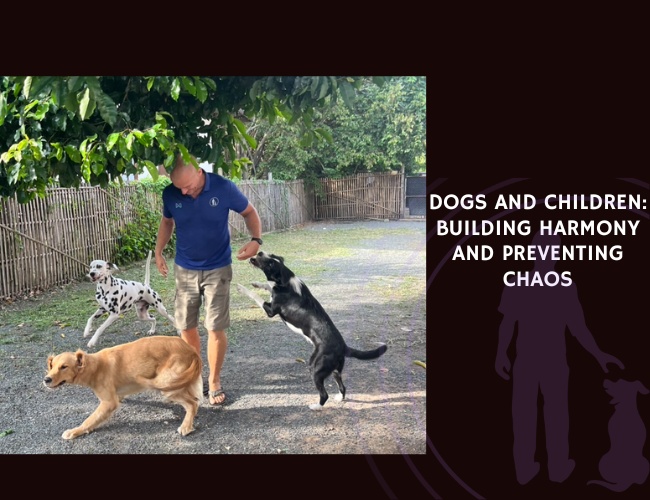
Introduction: Creating a Foundation of Trust and Understanding
Picture this: your toddler giggles as your golden retriever gently nudges a ball toward them, tail wagging in perfect rhythm with your child’s laughter. This heartwarming scene represents the pinnacle of dog-child harmony – but achieving it requires understanding, preparation, and ongoing commitment. Whether you’re expecting your first child with a dog already in the home, or considering adding a furry friend to your growing family, let us guide you through the intricate dance of fostering safe, enriching relationships between your children and canine companions.
The bond between children and dogs has evolved alongside human civilization itself, shaping both species in profound ways. Today’s Western societies increasingly view dogs as integral family members, with many parents describing their pets as their “first babies.” This cultural shift brings both opportunities and challenges that we’ll explore together.
Did you know that successful dog-child relationships can enhance your child’s emotional development, teaching empathy, responsibility, and non-verbal communication skills? Yet statistics remind us that most dog bites involve children under 10 and familiar dogs – a sobering reminder that harmony requires intentional cultivation. 🐾
Understanding Behavioral Risk Factors: Recognizing the Warning Signs
Why Dogs and Children Sometimes Clash
You might notice that even the gentlest dog occasionally seems uncomfortable around children. This discomfort stems from fundamental differences in how dogs and children communicate and interact with their world. Children under six typically lack the cognitive ability to interpret canine body language accurately, while dogs may struggle to understand children’s unpredictable movements and high-pitched vocalizations.
The amygdala hypersensitivity that can occur in dogs exposed to stressful child interactions creates lasting behavioral patterns. When a dog’s stress response activates repeatedly around children, it establishes neural pathways that make future calm interactions increasingly difficult. Understanding these neurological responses helps us appreciate why prevention matters more than correction.
Critical Behaviors That Trigger Conflict
Child Behaviors That Stress Dogs:
- Sudden, jerky movements that trigger prey drive or startle responses
- High-pitched screaming or crying that can overstimulate sensitive hearing
- Direct eye contact maintained too long (perceived as threatening)
- Hugging or leaning over dogs (feels constraining and threatening)
- Disturbing resting dogs or approaching during meals
- Pulling ears, tails, or fur during “exploration”
Canine Warning Signals You Must Recognize:
- Lip licking when not eating (stress signal)
- Yawning repeatedly in non-tired contexts
- Turning head away or avoiding eye contact
- Freezing or becoming very still
- Whale eye (showing whites of eyes)
- Low growling or teeth showing
These signals represent your dog’s attempt to communicate discomfort before escalating to more serious responses. Teaching your children to recognize and respect these signals creates a foundation for lifelong safe interactions. Remember, a growl is actually valuable communication – it’s your dog saying “I’m uncomfortable” before taking further action. 🧡
Resource Guarding and Territorial Behaviors
Resource guarding around children presents unique challenges because young children naturally explore their environment by touching and taking objects. Your dog might guard food, toys, sleeping spots, or even favorite humans from approaching children. This behavior, while natural from an evolutionary perspective, requires careful management in family settings.
The key lies in understanding that resource guarding often intensifies around unpredictable individuals – and children, with their erratic movements and poor impulse control, epitomize unpredictability in a dog’s mind. This means traditional training approaches may need modification when children are involved.
Developmental Stages: How Age Shapes Interactions
Infancy to Toddlerhood (0-3 years): Building Early Foundations
During these crucial early years, your child’s physical and cognitive development directly influences their capacity for safe dog interactions. Infants initially pose minimal direct risk to dogs but can trigger stress through crying, unpredictable movements, and the general disruption they bring to established routines.
Between 12-36 months, as your toddler develops gross motor skills, their interactions become more purposeful but not necessarily safer. This stage typically includes grabbing, following, and attempting to “hug” dogs – all behaviors that can trigger defensive responses. Research shows that parent-child play during this period shapes communication development, and we can extend this principle to include supervised dog-child play.
Your role during this stage focuses on constant supervision and teaching through modeling. Show your toddler gentle petting by guiding their hand, demonstrate quiet voices around the dog, and create positive associations through parallel activities rather than direct interaction.
Preschool Years (3-5 years): Learning Boundaries
Preschoolers develop theory of mind – understanding that others have different thoughts and feelings. This cognitive leap enables more sophisticated dog-child relationships, though execution often lags behind understanding. Your preschooler might cognitively understand that pulling tails hurts but lack the impulse control to resist when excited.
This age responds well to simple, clear rules reinforced through visual aids and repetition:
- “We pet with one hand, gently”
- “Dogs eat alone – we give them space”
- “Sleeping dogs need quiet”
- “We ask before petting”
The preschool years offer golden opportunities for teaching empathy through guided observation. “Look at Buddy’s tail – it’s tucked low. How do you think he’s feeling?” These conversations build emotional intelligence while fostering safer interactions. 😄
School-Age Children (6-12 years): Developing Responsibility
School-age children can become wonderful dog companions, capable of understanding complex behavioral cues and participating in training. Their developing executive function allows for planning, impulse control, and consequence evaluation – all crucial for safe dog interactions.
This stage presents opportunities for age-appropriate responsibilities that strengthen the dog-child bond:
- Filling water bowls (with supervision initially)
- Helping with grooming activities
- Participating in training sessions
- Walking dogs in safe environments (with adult supervision)
However, peer influence during this stage can introduce challenges. Children might feel pressure to show off around friends, potentially encouraging risky interactions. Establishing clear family rules that apply regardless of who’s visiting protects both your child and dog from social pressure situations.
Training Strategies for Harmonious Coexistence
Foundation Training for Family Dogs
Your dog’s training foundation determines their capacity for safe child interactions. While traditional obedience provides structure, family dogs benefit most from impulse control and emotional regulation training. These skills help dogs manage the arousal and unpredictability that children naturally bring to their environment.
Essential Skills for Family Dogs:
- “Place” or “mat” training (creates safe retreat option)
- “Leave it” for child toys and food
- “Wait” at doorways and before meals
- “Gentle” for taking treats or toys
- “Off” for managing jumping or space invasion
Training these behaviors using positive reinforcement creates pleasant associations with compliance, reducing stress-based reactions. Remember that punishment-based methods can increase anxiety around children, potentially escalating rather than resolving safety concerns.
Child-Specific Desensitization Protocols
Systematic desensitization helps dogs develop positive associations with child-specific stimuli. This process requires patience and gradual progression, starting with low-intensity exposures and building tolerance over time.
Begin with recordings of baby cries or children playing, paired with high-value treats. Gradually increase volume and duration as your dog remains calm. Next, introduce visual elements – perhaps watching children play from a distance during walks. Each successful, calm observation earns rewards, building positive associations.
For dogs struggling with child-related anxiety, consider working with a certified professional who specializes in family dynamics. They can design protocols specific to your dog’s triggers and your family’s needs, ensuring safety throughout the desensitization process. 🧠
Teaching Children Dog Safety Skills
Education programs in elementary schools have demonstrated measurable success in reducing dog bite incidents, but your home provides the most important classroom. Daily interactions offer countless teaching moments that shape your child’s understanding of canine communication.
Age-Appropriate Dog Safety Curriculum:
Toddlers (1-3 years):
- “Gentle touches” (demonstrating soft petting)
- “Dog’s toys, your toys” (establishing boundaries)
- “Ask mommy/daddy first” (supervision requirement)
Preschoolers (3-5 years):
- Recognizing happy vs. worried dogs
- “Be a tree” (standing still if approached by unfamiliar dogs)
- Asking permission before petting
- Understanding “dog words” (basic body language)
School-age (6-12 years):
- Complex body language interpretation
- Safe interaction with unfamiliar dogs
- Basic training participation
- Understanding trigger stacking and stress signals

Environmental Management: Setting Up for Success
Physical Space Modifications
Your home’s layout significantly impacts dog-child dynamics. Strategic environmental modifications prevent problems before they arise, reducing stress for everyone involved. Think of your space as having zones – some shared, some exclusive – that respect both species’ needs for security and autonomy.
Baby gates become invaluable tools, creating visual access while maintaining physical separation when needed. Install them strategically: at the top and bottom of stairs, between kitchen and living areas, or creating a quiet zone where your dog can retreat. These barriers aren’t about isolation but rather controlled, positive interactions.
Consider your dog’s perspective when arranging furniture. Can they move through spaces without being cornered by an enthusiastic toddler? Do they have clear escape routes from any room? Creating multiple pathways prevents that trapped feeling that can trigger defensive responses.
Essential Environmental Modifications:
- Elevated dog feeding stations (out of toddler reach)
- Dog-only zones with comfortable bedding
- Toy storage systems separating dog and child items
- Non-slip rugs preventing sliding/falling during play
- Sound dampening materials in dog rest areas
Routine Structures That Promote Harmony
Predictable routines reduce anxiety for both dogs and children. When your dog knows that morning means quiet breakfast time, afternoon brings supervised playtime, and evening includes calm family activities, they can relax into the rhythm. This predictability particularly benefits dogs prone to anxiety or those adjusting to new family members.
Structure your day to include parallel activities where child and dog coexist without direct interaction. Perhaps your toddler colors while your dog enjoys a puzzle feeder nearby. These shared calm moments build positive associations without the pressure of direct engagement.
Remember that your dog’s needs don’t disappear when children arrive. Maintaining exercise routines, training sessions, and individual attention prevents behavioral deterioration that could compromise safety. A fulfilled dog is a calmer, more tolerant family member. 🐾
Managing Multi-Pet Households
Multiple pets add complexity to child-dog dynamics. Pack dynamics shift when children enter the picture, potentially creating competition or protective behaviors between animals. Your older dog might tolerate child behaviors that trigger your younger dog, or pets might redirect frustration toward each other when stressed by child interactions.
Separate feeding areas become crucial in multi-pet homes with children. Feed dogs in different rooms or use barriers to prevent resource competition. Provide multiple water stations to reduce congregation points where conflicts might arise.
Monitor play dynamics carefully – children often inadvertently create competition between pets through their attention distribution or play style. Teaching children to engage pets individually rather than simultaneously reduces jealousy and overarousal that can lead to conflicts.
Health and Welfare Considerations
Stress Physiology in Family Dogs
Chronic stress from challenging child interactions affects your dog’s physical health through sustained cortisol elevation. This hormonal cascade impacts immune function, digestive health, and even cognitive capacity. Understanding these physiological responses helps us appreciate why preventing stress matters as much as managing behaviors.
The canine HPA (hypothalamic-pituitary-adrenal) axis activates during stressful child encounters, releasing stress hormones that prepare for fight-or-flight responses. Repeated activation without resolution creates allostatic load – essentially wearing down your dog’s stress response system. This manifests as increased reactivity, decreased frustration tolerance, and potential health issues.
Signs of chronic stress in family dogs include:
- Excessive shedding or dull coat
- Digestive issues (diarrhea, vomiting)
- Loss of appetite or excessive eating
- Increased sleeping or restlessness
- Compulsive behaviors (excessive licking, tail chasing)
- Lowered immunity (frequent infections)
Nutritional Support for Family Dogs
The increased mental and emotional demands of living with children may alter your dog’s nutritional needs. Stress depletes certain nutrients faster, particularly B vitamins and antioxidants. Consider discussing supplementation with your veterinarian if your dog shows signs of chronic stress.
Meal timing becomes crucial when children are present. Feed your dog before family meals to reduce begging and potential resource guarding. Use puzzle feeders or slow-feed bowls to extend eating time, providing mental stimulation while children are otherwise occupied.
Some dogs benefit from calming supplements containing L-theanine, chamomile, or adaptogenic herbs during adjustment periods. These natural supports can ease transitions when combined with behavioral interventions, though they’re not substitutes for proper training and management. 🧡
Zoonotic Disease Prevention
Living closely with children requires heightened attention to disease prevention. Regular veterinary care, including parasite prevention and vaccinations, protects both species. Children’s developing immune systems and tendency to put things in their mouths increases their vulnerability to zoonotic diseases.
Teach children proper hygiene around dogs:
- Handwashing after petting or playing
- No face licking (despite its apparent affection)
- Avoiding contact with dog waste
- Not sharing food or utensils
- Keeping dog toys separate from child toys
Regular grooming reduces allergen exposure and prevents skin conditions that might be transmitted. Pay special attention to nail length – even friendly dogs can accidentally scratch delicate child skin during play.
Zoomies. Explained.
Those wild puppy sprints have a purpose.
Zoomies—technically called FRAPs—aren’t random chaos. They help puppies release energy, build coordination, and regulate emotions.
It’s play, but it’s primal.
From brain development to stress relief, these bursts are rooted in biology. Even your living room becomes a training ground for growth.



This guide breaks it down.
Learn what zoomies mean, when they’re normal, and how to support your pup—safely, calmly, and with expert-backed strategies.
Building Positive Relationships: Beyond Safety
Fostering Emotional Connections
Safety creates the foundation, but true dog-child harmony involves emotional bonding that enriches both lives. These connections develop through positive shared experiences, mutual respect, and understanding each other’s needs. Your role as facilitator helps bridge the communication gap between species.
Create bonding opportunities appropriate to your child’s developmental stage. Toddlers might help fill water bowls while narrating their actions: “Water for Buddy! Buddy is thirsty.” Preschoolers can participate in training sessions, learning to cue simple behaviors and deliver rewards. School-age children might read aloud to dogs, building their own confidence while providing calm companionship.
Photo projects documenting your dog’s daily life help children observe and understand canine behavior while creating lasting memories. “What is Buddy doing now? Is he happy, tired, or hungry? How can you tell?” These conversations build observational skills and empathy that extend beyond pet interactions.
Therapeutic Benefits of Dog-Child Bonds
Research consistently demonstrates that children with positive pet relationships show enhanced emotional development. Dogs provide non-judgmental companionship that can be particularly valuable for children facing social challenges or anxiety. The responsibility of caring for another living being builds self-esteem and competence.
Your child learns to read non-verbal communication through dog interactions – a skill that translates to human relationships. They practice emotional regulation when required to stay calm around dogs. They develop patience waiting for their dog to learn new behaviors. These lessons shape character in ways that extend far beyond pet ownership.
For children with developmental delays or special needs, dogs can provide unique therapeutic support. The sensory input from petting, the motivation for physical activity, and the social bridge dogs create with peers all contribute to developmental progress. However, these benefits only emerge in safe, well-managed relationships. 😄
Creating Lasting Memories
The memories your child forms with their dog become part of their life story. Make these memories intentionally positive through planned activities that suit both participants. Simple adventures like supervised backyard exploration, gentle grooming sessions, or quiet reading time create bonds without overwhelming either party.
Document milestones together – your child’s first successful “sit” command, your dog’s patient acceptance of dress-up play, or quiet moments of companionship. These recorded memories remind everyone that the effort invested in creating harmony pays dividends in joy and connection.
Consider seasonal traditions that include your dog: summer water play (with close supervision), fall leaf pile jumping, winter snow adventures, or spring nature walks. These cyclical experiences create anticipation and shared history that strengthens bonds over years.
Breed-Specific Considerations: Choosing and Understanding Your Family Dog
Debunking the “Perfect Family Dog” Myth
You might have heard that certain breeds are “naturally good with children” or seen lists ranking the “best family dogs.” Let us guide you through a more nuanced understanding – one that recognizes that individual temperament, socialization, and training matter far more than breed alone. The dangerous “nanny dog” myth, often associated with certain bully breeds, has led to preventable tragedies when families assumed breed reputation replaced proper supervision and training.
Every breed was developed for specific purposes that influence their behavioral tendencies. Understanding these genetic predispositions helps you work with, rather than against, your dog’s natural inclinations. A herding breed’s tendency to chase and nip at running children isn’t aggression – it’s centuries of selective breeding expressing itself inappropriately in your living room.
The truth is that any breed can succeed or fail in a family environment depending on individual temperament, early socialization, training investment, and management strategies. Your commitment to meeting a dog’s needs matters infinitely more than their breed label. 🧠
Size Considerations and Physical Dynamics
Large and Giant Breeds with Children: Large dogs bring unique challenges and benefits to families with children. Their size can accidentally harm small children through enthusiastic greetings or tail wags at face height. Yet many large breeds possess naturally calm temperaments that suit them well for patient interactions with respectful children.
Consider your physical environment when evaluating large breeds. Do you have space for a 100-pound dog to move without knocking over toddlers? Can your children learn to respect the power difference? Large breeds often mature slowly, meaning you might have a 70-pound “puppy” with adolescent impulse control – a challenging combination with young children.
Popular large breeds like Golden Retrievers and Labrador Retrievers often excel in family environments due to their stable temperaments and trainability. However, their exuberant youth phase (lasting 2-3 years) requires significant exercise and training investment. Without adequate outlets, these friendly giants can overwhelm children with their enthusiasm.
Small and Toy Breeds – Not Always Child-Friendly: Don’t assume small size equals child safety. Many toy breeds have lower tolerance for handling and may resort to biting more quickly than larger dogs when stressed. Their fragility also creates risk – a toddler’s clumsy hug can seriously injure a Chihuahua or Maltese.
Small dogs often develop “small dog syndrome” when owners fail to establish boundaries, assuming their size makes poor behavior harmless. This permissiveness creates dogs who resource guard, bark excessively, and show aggression toward children who invade their space. Your 5-pound Yorkie needs the same consistent training and boundaries as a 50-pound Border Collie.
Some small breeds, particularly terriers, were bred for independent hunting work. This heritage creates confident, determined personalities that might not tolerate typical child behaviors like dress-up play or carrying. Understanding these breed tendencies helps set realistic expectations.
Working and Herding Breeds: Energy Meets Instinct
Herding breeds like Australian Shepherds, Border Collies, and Corgis bring intelligence and loyalty to family life, but their instincts require careful management around children. That ankle-nipping behavior directed at running children? It’s their genetic programming to control movement, not aggression. Without appropriate outlets, these behaviors intensify.
These breeds need mental stimulation that children alone cannot provide. A bored Border Collie might start “herding” your children obsessively, creating stress for everyone. Puzzle toys, training sessions, and dog sports provide necessary cognitive challenges while teaching impulse control around kids.
Working breeds like German Shepherds, Rottweilers, and Dobermans often develop strong protective instincts toward “their” children. While this sounds appealing, it can create problems when friends visit or during normal rough play. These dogs require extensive socialization and clear leadership to prevent overprotective behaviors that could escalate to aggression. 😄
Terriers and Prey Drive Considerations
Terrier breeds, from tiny Yorkies to sturdy Bull Terriers, share high prey drive and determined personalities. This combination can create challenges with quick-moving children who trigger chase instincts. Your Jack Russell isn’t being mean when he nips at running kids – he’s following genetic programming that says small, fast-moving things need catching.
Managing terriers with children requires structured exercise outlets and impulse control training. Teaching a strong “leave it” command and rewarding calm behavior around movement helps override instinctive responses. Many terriers thrive in families that appreciate their spunky personalities while providing appropriate boundaries.
Bully breed terriers, including Pit Bulls and Staffordshire Terriers, suffer from extreme breed prejudice despite many individuals being wonderful family dogs. Their strength requires respect and management, but their loyalty and affection toward children can be extraordinary. Focus on individual temperament assessment rather than breed stereotypes when evaluating these dogs.
Mixed Breeds and Shelter Dogs: Wonderful Unknowns
Mixed breed dogs offer unique advantages for families – hybrid vigor often means fewer health issues, and their unpredictable appearance makes them conversation starters. However, unknown genetic backgrounds mean you’re working with educated guesses about adult size, energy levels, and behavioral tendencies.
When adopting shelter dogs for families with children, prioritize dogs with known history around kids. Many shelters conduct child-compatibility testing, though these assessments have limitations. A dog who tolerates a calm child during a shelter meet-and-greet might struggle with multiple energetic children at home.
Foster-to-adopt programs offer invaluable trial periods, letting you evaluate fit before permanent commitment. This protects both your family and the dog from incompatible matches. Be honest about your children’s ages, energy levels, and respect for boundaries when working with rescue organizations – they want successful placements too.
Questions for Shelter/Rescue Organizations:
- Has this dog lived with children before? What ages?
- How does the dog react to loud noises and sudden movements?
- Any observed resource guarding or toy possessiveness?
- Response to handling (ears, paws, tail)?
- Energy level and exercise needs?
- Any observed prey drive or chase behaviors?
Breeds Requiring Extra Consideration
Some breeds demand extensive experience and management in homes with children. This doesn’t make them “bad” dogs but acknowledges that their traits might conflict with typical family dynamics. Livestock guardian breeds like Great Pyrenees and Anatolian Shepherds, bred for independent decision-making, might not defer to children’s commands or respect their space.
Primitive breeds including Shiba Inus, Basenjis, and Chow Chows often show lower tolerance for handling and higher independence. Their reserved nature doesn’t suit families expecting cuddly, patient companions. These dogs can coexist with respectful children but rarely enjoy typical child interactions.
High-drive sporting breeds need extensive exercise that busy families might struggle to provide. A under-exercised Pointer or Weimaraner can develop destructive behaviors and reactivity that compromise child safety. Honestly assess whether your lifestyle accommodates these breeds’ needs before assuming love conquers all requirements. 🐾
Dogs with Special Needs and Children: Extraordinary Bonds
Blind and Deaf Dogs: Navigating Different Abilities
Blind dogs can thrive in homes with children when families understand their unique needs and children learn appropriate interaction methods. These remarkable animals navigate through scent, sound, and memory mapping of their environment. Your children become part of their mental map, identified by voice, footsteps, and smell rather than sight.
Teaching children to announce their presence prevents startling blind dogs. “Hi Buddy, it’s me!” becomes a household habit that builds predictability. Children should learn to let blind dogs smell their hand before petting and to avoid suddenly grabbing or hugging. This respectful approach actually benefits all dog interactions, making blind dogs excellent teachers of proper dog etiquette.
Deaf dogs require visual communication that children often excel at learning. Teaching your child basic hand signals for “sit,” “stay,” and “come” creates a special language between them. However, deaf dogs startle more easily when touched unexpectedly, requiring extra vigilance with young children who might approach from behind.
Mobility Impaired Dogs: Lessons in Adaptation
Three-legged dogs (tripawds) and those with other mobility challenges often inspire children with their resilience and adaptability. These dogs typically maintain joyful dispositions despite physical limitations, teaching children that disabilities don’t define worth or happiness. However, their altered movement patterns require environmental modifications to prevent slips or falls that could injure both dog and child.
Children can participate in physical therapy exercises, turning rehabilitation into bonding time. Simple activities like supported standing, gentle range-of-motion exercises, or encouraging slow walks become shared responsibilities. This involvement teaches children that caring for others sometimes means helping with basic needs – a profound lesson in empathy and service.
Wheelchairs and mobility aids fascinate children but require clear rules about touching and moving equipment. Your child learns that the wheelchair is like the dog’s legs – essential medical equipment, not a toy. Older children might help with fitting harnesses or maintaining equipment, developing technical skills alongside compassion.
Chronic Medical Conditions: Teaching Responsibility
Dogs with diabetes, epilepsy, or other chronic conditions need consistent care routines that observant children can assist with appropriately. A school-age child might remind parents about medication times or help track symptoms in a journal. These small responsibilities teach that love includes unglamorous daily care tasks.
Epileptic dogs present unique challenges requiring family-wide education. Children must understand that seizures, while frightening to witness, require calm responses. Teaching children to clear space, time seizures, and comfort dogs afterward empowers them during scary situations. This knowledge often reduces children’s anxiety about their dog’s condition.
Medical management becomes a family affair with age-appropriate involvement:
- Toddlers: “Gentle with Buddy’s special spot” (surgical site, injection area)
- Preschoolers: Helping gather supplies for treatments
- School-age: Recording symptoms, assisting with physical therapy
- Tweens: Learning to recognize emergency symptoms
Anxiety Disorders and Behavioral Medications
Dogs with anxiety disorders require modified environments that can actually benefit children’s emotional development. Creating calm, predictable routines for an anxious dog teaches children emotional regulation and environmental awareness. Your child learns that their actions affect others’ emotional states – a sophisticated emotional intelligence concept.
Medication schedules for behavioral conditions provide teaching opportunities about mental health without stigma. “Buddy takes medicine to help his worried feelings, just like some people do” normalizes mental health treatment. Children learn that needing help doesn’t indicate weakness but rather responsible self-care.
Anxious dogs often can’t tolerate typical childhood chaos, requiring children to develop awareness of their impact on others. This might mean inside voices, gentle movements, or recognizing when the dog needs space. These accommodations, while challenging, develop exceptional emotional intelligence and self-control in children who might otherwise struggle with these concepts.
Building Empathy Through Caregiving
Caring for special needs dogs develops empathy that extends far beyond pet relationships. Children learn that different doesn’t mean less valuable, that everyone deserves accommodation for their challenges, and that helping others brings its own rewards. These lessons shape how they interact with human peers who have disabilities or differences.
Your child might become the playground advocate for inclusion after living with a special needs dog. They understand that their three-legged dog still loves fetch, even if she runs differently. This translates to recognizing that classmates with disabilities want friendship and fun, even if they participate differently.
Research demonstrates that children who care for animals with disabilities show increased prosocial behaviors, greater emotional intelligence, and reduced prejudice toward human disability. The daily acts of accommodation and assistance become natural, creating adults who instinctively consider others’ needs and abilities. 🧡
Practical Considerations for Special Needs Dogs
Before adopting a special needs dog into a family with children, honestly assess your capacity for increased management. Special needs dogs often require more veterinary care, environmental modifications, and supervision during child interactions. The financial and time investments can strain families already juggling children’s needs.
Consider your children’s ages and maturity levels. A toddler might not understand why they can’t play rough with a dog recovering from surgery. A sensitive child might struggle with the uncertainty of a dog with progressive illness. Match your family’s emotional and practical capacity with the dog’s needs.
Despite extra challenges, special needs dogs often make extraordinary family members. Their resilience inspires, their trust humbles, and their joy despite challenges teaches profound life lessons. Families who successfully integrate special needs dogs report deeper bonds and greater appreciation for everyday moments. The extra effort required pales beside the love and learning these remarkable animals bring to children’s lives.
Special Considerations and Challenges
Introducing Dogs to New Babies
Preparing your dog for a baby’s arrival requires months of gradual preparation. Begin by adjusting routines slowly – if your dog won’t be allowed in the nursery, establish this boundary well before baby arrives. Practice walking with an empty stroller, play recordings of baby sounds, and introduce baby lotions and powders gradually.
When baby arrives, maintain your dog’s routine as much as possible. Dramatic changes increase stress when your dog is already adjusting to new sounds, smells, and household dynamics. Have a partner or friend provide exercise and attention while you’re focused on newborn care.
Initial introductions should be calm and controlled. Allow your dog to observe from a distance while you hold baby. Reward calm behavior with treats and praise. Never force interaction – let your dog approach at their own pace. Some dogs show immediate interest while others need weeks to adjust. Both responses are normal.
Managing Fearful or Reactive Dogs
Dogs with existing fear or reactivity issues require extra consideration in homes with children. These dogs aren’t necessarily unsuitable for family life, but they need modified management strategies and potentially professional intervention. Their lower stress threshold means child interactions must be even more carefully controlled.
Work with a certified behaviorist who understands both canine behavior and child development. They can assess whether your dog’s issues are manageable within your family structure and design appropriate intervention protocols. Some fearful dogs actually improve with careful child exposure, while others require lifetime management.
Never attempt to “socialize” a fearful dog by forcing child interaction. This flooding approach typically worsens fear and can create dangerous situations. Instead, focus on creating positive associations at whatever distance your dog remains comfortable. Progress might be slow, but forced interactions can create lasting trauma.
When Harmony Isn’t Possible
Sometimes, despite best efforts, specific dog-child combinations simply don’t work. This heartbreaking reality requires honest assessment prioritizing everyone’s welfare. A dog living in constant stress isn’t experiencing good welfare, and children deserve to feel safe in their homes.
Warning signs that professional assessment is needed:
- Escalating aggression despite intervention
- Child developing fear of dogs
- Dog showing chronic stress symptoms
- Multiple bite incidents (even minor)
- Resource guarding that doesn’t respond to training
- Predatory behavior toward children
Rehoming decisions should involve professional guidance to ensure accurate assessment and explore all options. Sometimes, temporary respite with relatives during particularly challenging developmental phases provides enough relief. Other situations require permanent separation for everyone’s wellbeing.
Remember that protecting your child and ensuring your dog’s welfare aren’t mutually exclusive goals. A dog rehomed to a child-free environment where they can thrive is better than one living in chronic stress. These decisions require courage and love. 🧠
Cultural Perspectives and Social Dynamics
The “Child-Like” Role of Dogs in Modern Families
Western societies increasingly attribute child-like qualities to dogs, affecting how we structure dog-child relationships. This anthropomorphism can create unrealistic expectations – expecting dogs to naturally understand and protect children like older siblings might. While dogs can certainly develop protective bonds with children, they remain a different species with different communication styles and needs.
Understanding your dog as a dog – not a furry child or automatic nanny – creates healthier relationships. This means respecting their need for space, understanding their communication style, and not expecting human-like reasoning or emotion. Paradoxically, treating dogs as dogs often results in better family integration than forcing them into human roles.
Cultural backgrounds influence how families approach dog-child relationships. Some cultures maintain clearer boundaries between animals and children, while others encourage close physical contact. Neither approach is inherently superior, but consistency within your household prevents confusion for both dogs and children.
Navigating Social Pressures
Social media creates pressure to showcase perfect dog-child relationships, but these curated moments don’t reflect daily realities. That viral video of a toddler sleeping on a patient dog might look adorable but could represent a stressed dog tolerating uncomfortable contact. Understanding this helps you resist pressure to create “Instagram moments” at your pet’s expense.
Playdates and visiting friends introduce variables that can destabilize carefully managed dog-child dynamics. Establish clear rules that visitors must follow, regardless of their own pet experience. “Our dog stays in her space during visits” isn’t negotiable, even if guests insist their child is “great with dogs.”
Be prepared to advocate for your dog’s needs even when others don’t understand. Comments like “dogs should tolerate anything from children” or “that’s what dogs are for” reflect dangerous misconceptions. Your commitment to safe, respectful interactions protects everyone and models responsible pet ownership.
Professional Support Networks
Building a support network of professionals who understand dog-child dynamics proves invaluable. This might include veterinarians experienced with family dogs, certified trainers specializing in child-dog interactions, and potentially family therapists who appreciate pets’ roles in family systems.
Dog trainers certified in Family Paws programs specifically address dog-child dynamics. These professionals understand both species’ developmental stages and can provide targeted interventions. They also connect you with other families navigating similar challenges, creating community support.
Schools increasingly recognize the importance of dog safety education. Advocate for evidence-based programs in your child’s school that teach interaction skills and bite prevention. These programs benefit all children, whether they have dogs at home or encounter them in public spaces.
Senior Dogs and Children: Special Considerations
Age-Related Changes Affecting Interactions
Senior dogs face unique challenges in homes with children. Decreased hearing might mean they don’t notice approaching children until startled by touch. Vision changes affect their ability to track quick movements. Arthritis makes sudden movements painful and climbing to escape uncomfortable situations difficult.
These physical changes often coincide with decreased tolerance for disruption. Your previously patient dog might become grumpier with age – a normal progression that requires adjusted management. Children need to understand that older dogs require gentler interaction and more space.
Cognitive dysfunction in senior dogs can create unpredictable responses to familiar situations. A dog who’s lived peacefully with children for years might suddenly show confusion or reactivity. This isn’t aggression but rather disorientation requiring compassionate management. Regular veterinary assessments help distinguish manageable aging from serious medical issues.
Adapting Management for Senior Dogs
Create sanctuaries where senior dogs can rest undisturbed. Use baby gates to provide visual connection while preventing physical intrusion. Elevated beds help arthritic dogs avoid floor-level interactions with crawling babies or toddlers. Non-slip surfaces prevent falls that could trigger defensive responses.
Modify your child’s interaction expectations with aging dogs. Teach them that older dogs need:
- Longer rest periods
- Gentler touch and quieter voices
- Warnings before approach (verbal cues)
- Shorter interaction periods
- Help with previously easy tasks (like climbing stairs)
Consider whether your senior dog benefits from child interaction or merely tolerates it. Some older dogs find renewed energy playing with children, while others prefer peaceful retirement. Respecting your dog’s preferences models empathy and compassion for your children. 🧡
End-of-Life Considerations
Discussing your dog’s mortality with children requires sensitivity and honesty appropriate to their developmental stage. Young children might not understand death’s permanence, while older children might struggle with anticipatory grief. Include children in age-appropriate care decisions, helping them feel involved rather than helpless.
Quality of life assessments should consider the stress of living with children. A dog struggling with mobility might find constant child activity overwhelming. Sometimes, the kindest decision involves preventing suffering even if children aren’t ready to say goodbye.
Creating meaningful goodbye rituals helps children process loss while honoring your dog’s place in the family. Memory books, planted trees, or donated supplies to shelters in your dog’s name provide tangible connections to happy memories. These experiences, while painful, teach children about love, loss, and the responsibility we have to prevent suffering.
Conclusion: Is a Dog-Child Household Right for You?
As we reach the end of our comprehensive exploration, you might be wondering whether the rewards justify the considerable effort required to create harmonious dog-child relationships. The answer depends entirely on your family’s commitment to ongoing education, management, and adaptation.
Successful dog-child households share common characteristics: realistic expectations, consistent boundaries, proactive management, and willingness to seek help when needed. They prioritize safety without sacrificing joy, creating environments where both species can thrive. These families understand that harmony isn’t a destination but an ongoing journey requiring daily attention.
Consider honestly whether your lifestyle accommodates the needs of both children and dogs. Can you provide adequate exercise, training, and attention for your dog while meeting your children’s needs? Do you have backup plans for challenging developmental phases? Are all adult family members committed to consistent management strategies? Your answers shape your family’s readiness for this rewarding but demanding dynamic.
The research is clear: well-managed dog-child relationships offer profound benefits for both species. Children develop empathy, responsibility, and communication skills while experiencing unconditional love. Dogs enjoy enriched social environments and purposeful family roles. But these benefits only emerge when safety and welfare remain paramount.
Whether you’re preparing for a new baby with an existing dog, considering adding a dog to your family with children, or working to improve current dynamics, remember that perfection isn’t the goal. Progress, patience, and commitment to everyone’s wellbeing create the foundation for beautiful interspecies friendships that last lifetimes.
Next time you witness a moment of pure joy between your child and dog – perhaps a gentle kiss, a shared nap, or synchronized play – know that your effort created that magic. These moments don’t happen by accident but through your dedication to fostering understanding between two species who, despite their differences, can form bonds that enrich both their lives immeasurably. 🐾
Your Next Steps
Ready to implement what you’ve learned? Start with one small change this week. Perhaps teaching your child a new dog body language signal, creating a quiet zone for your dog, or scheduling a consultation with a family dog professional. Small, consistent steps create lasting transformation.
Remember, every family’s journey looks different. What works for your neighbor might not suit your family’s unique dynamics. Trust your instincts, prioritize safety, and celebrate small victories along the way. The harmony you’re building today creates memories your children will carry throughout their lives – memories of unconditional love, mutual respect, and the magic that happens when two different species learn to understand each other.
Is this journey challenging? Absolutely. Is it worth it? For families willing to invest in creating safe, enriching relationships, the answer is a resounding yes. Your commitment to harmony makes you part of a growing community of families proving that with knowledge, patience, and love, dogs and children don’t just coexist – they thrive together.










